
DrRiffatNawab #Homeopathy #HomeopathicDoctor #ClassicalHomeopathy #NaturalHealing #HomeopathicTreatment #HolisticHealth #HomeopathicMedicine #AlternativeMedicine #MiasmaticHomeopathy #PsoraTreatment #ChronicDiseaseCare #NaturalRemedies #HomeopathyPakistan #HealthWithHomeopathy
Tag: homeopathic medicine
اسباق آرگینن آف میڈیسن

آج ہم پڑھیں گے ،شفا کا بلند ترین معیار کیا ہے؟
ہومیوپیتھک فزیشن کا واحد مشن یہ ہے کہ وہ شفا کے بلند ترین معیار کو حاصل کرے اور “شفا کا بلند ترین معیار” درج ذیل ہے
1. شفا تیز ترین ہو۔
وضاحت:کسی بیماری کی تیز ترین شفا کا دورانیہ بیماری کی نوعیت پر منحصرہوتا ہے۔ اگر بیماری ایکیوٹ ہو اورایک مخصوص اور معین مدت میں خود بہ خود ختم ہو جانے والی ہو، تو اسے اس کے اس مخصوص کورس سے پہلے ٹھیک کر دینا چاہیے ۔ دوسرے الفاظ میں، شدید کیسز کو فوری طور پر ختم کرنا چاہیے۔ لیکن کرانک (دائمی) بیماریوں کو علاج کے لیے نسبتاً زیادہ وقت درکار ہوتا ہے کیونکہ ان بیماریوں نے مریض کے ٹشوز میں تبدیلیاں پیدا کردی ہوتی ہیں۔
2. نرمی کے ساتھ ہو اور مزید نقصان دہ نہ ہو۔
وضاحت: علاج اس طریقے سے کیا جائے کہ مریض کی موجودہ تکلیف میں اضافہ نہیں ہونا چاہیے، اس لیے اسے نرم ہونا چاہیے۔ ہمیں مریض کو مزید نقصان پہنچانے کا کوئی حق نہیں۔ ڈاکٹر ہانیمن کے دور میں علاج کے لئے خون بہانے، جلاب دینے، کٹ لگانے اور آگ سے داغنے جیسے طریقے اپنائے جاتے تھے، جو بیماری سے زیادہ نقصان دہ تھے۔ اس لئے تکلیف دہ طریقوں سے بھی بچنا ہے۔
3. مستقل طور پر ہو۔
وضاحت:اس کا مطلب ہے کہ بیماری کے دوبارہ ہونے کا کوئی امکان نہ ہو۔ علاج کے بعد صحت یابی مستقل ہونی چاہیے۔ محض علامات کو دور کرنا یا مریض کی تکالیف اور علامات کو دبادینا حقیقی معنوں میں صحت یابی نہیں کہلاتا۔ لہذا اصل مشن شفا حاصل کرنا ہے۔
4. کم سے کم وقت میں ہو۔
وضاحت:یہ ایک نسبتی اصطلاح (Relative term )ہے ، ایسا اس وقت ممکن ہوتا ہے جب زیادہ سے زیادہ بالمثل میڈیسن کاانتخاب کیا گیاہو۔ جب کوئی دوا علامات کے مجموعے کی زیادہ سے زیادہ مماثلت کی بنیاد پر دی جاتی ہے ،تو توقع کی جاتی ہے کہ مریض جلد صحت یاب ہو جائے گا۔ علاج کے انتخاب کا یہ سیدھا سا طریقہ وقت کی بچت کرتا ہے اور قابل اعتماد بھی ہوتا ہے۔
5. بیماری کا وجود مکمل طور پر ختم کردیا گیا ہو۔
وضاحت:ایک بیماری جس کی بہت سی علامات ہوتی ہیں۔ کچھ علامات زیادہ پریشان کن اور تکلیف دہ ہوتی ہیں اور کچھ کم پریشان کن ہوتی ہیں۔ اس لیے ہمیں محض زیادہ پریشان کن علامات کو دور کرنے پر ہی مطمئن نہیں ہونا چاہیے ،کیونکہ ہر علامت نارمل صحت کی حالت سے انحراف کو ظاہر کرتی ہے۔ بیماری کو مکمل طور پر اس کی تمام علامات سمیت ختم کرنا ضروری ہے۔ لہذا نارمل صحت کی حالت کوبحال کرنے کے لیے ہر علامت کو دور کرنا ضروری ہے تاکہ شفا کا بلندترین معیار حاصل کیا جاسکے۔
6. نہایت قابل اعتماد اور بہت بے ضرر طریقے سے حاصل ہو۔
وضاحت:جب کسی بیماری کی علامات “ہیرنگ کے قانون” کے مطابق ختم ہو رہی ہوتی ہیں، تو ہم یقین کر سکتے ہیں کہ بیماری بالآخر صحت یاب ہو جائے گی۔ اس قانون کے مطابق ،علامات اوپر سے نیچے، اندر سے باہر، مرکز سے کنارے، زیادہ اہم سے کم اہم عضو تک، اور ان کے آنے کے الٹ ترتیب میں ختم ہوتی ہیں، یعنی جو علامات آخر میں آئیں وہ پہلے ختم ہوتی ہیں۔
7. علاج شفاف، سیدھے سادے اور آسانی سے سمجھ میں آجانے والے اصولوں کے مطابق ہو۔
والسلام
ہومیوپیتھک ڈاکٹر رفعت نواب مصعب
فیصل آباد
0321-6693815
اسباق آرگینن آف میڈیسن

ایک ہومیوپیتھک فزیشن کا سب سے اعلیٰ اور واحد مشن “بیمار” کی صحت کو بحال کرنا ہے، یعنی اسے شفا کی جانب لانا ہے۔جیسا کہ اس کی وضاحت آئندہ بیان کی جائے گی۔
نوٹ: شفا سے مراد وہ حالت ہوتی ہے جو بیمار ہونے سے پہلے تھی، جس حالت پر اس کو اللہ نے پیدا کیا تھا۔
Best way to treat kids with homeopathy : Learn by Dr Riffat Nawab Musab
بچوں کا ہومیوپیتھک علاج کس طرح کروائیں؟ بچوں کی علامات کا مشاہدہ کس طرح کیا جائے؟ بچوں کے بخار کی علامات اپنے ہومیوپیتھک ڈاکٹر کو کس طرح بتائی جائیں؟ بچوں کے پیٹ کی علامات کس طرح بتائی جائیں؟ بچوں کی چھاتی اور کھانسی کی علامت کس طرح نوٹ کرکے ہومیوپیتھک ڈاکٹر کو بتائی جائیں؟ بچے کی کھانے پینے کی عادات کا مشاہدہ کس طرح کیا جائے؟ ماں اور باپ بچے کی کن حرکات کو لازمی نوٹ کریں؟
The Correct Method of Homeopathic Treatment: Learn from Dr Riffat Nawab Musab
تیز ترین، بے ضرر اور مستقل شفا حاصل کرنے کیلئے ہومیوپیتھک علاج کرانے کا درست طریقہ جانیے۔ ہسٹری دیتے ہوئے کس بات کا خیال رکھنا ضروری ہے؟ مریض اور معالج عموماً کیاغلطی کرتے ہیں؟ اپنی علامات کس طرح بتانا چاہئیں؟ کیا جسمانی علاج کے دوران نفسیاتی علامات بتانا ضروری ہیں؟
Health problems after forty years and their solution
چالیس سال عمر کے بعد صحت کے مسائل اور ان کا حل
Benign prostatic hyperplasia

پروسٹیٹ غدود بڑھ جانے کے مسائل اور ان کا حل
اس وقت دنیا میں مرد حضرات میں کینسر کی چوتھی بڑی وجہ پروسٹیٹ غدود کے کینسر میں مبتلا ہوناہے۔ یہ غدود مثانے کے بالکل نیچے پایا جاتا ہے ، خواتین میں یہ غدود نہیں ہوتا۔ پروسٹیٹ غدود کے بڑھ جانے سے ، وہ ٹیوب جو مثانے سے پیشاب لے کر پروسٹیٹ غدود کے درمیان سے گزرتی ہوئی نکلتی ہے، وہ دب جاتی ہے۔ جس کی وجہ سے پیشاب کے اخراج میں رکاوٹ پیدا ہونا شروع ہوجاتی ہے۔۔۔۔۔۔۔۔۔۔
مزید تفصیل جاننے کے لئے یہ آرٹیکل مکمل پڑھیے
👇👇👇👇👇
HYPERTENSION

What is High Blood Pressure?
Blood pressure (BP) has two components: systolic pressure (the higher number) and diastolic pressure (the lower number) .It is measured in millimeters of mercury (mm Hg)
Blood pressure (BP) has two components: systolic pressure (the higher number) and diastolic pressure (the lower number) .It is measured in millimeters of mercury (mm Hg)
Systolic BP represents the pressure that the heart needs to generate to pump blood to the rest of the body, while Diastolic BP refers to the pressure needed to pump blood to the arteries of the heart (coronary arteries).
Hypertension is defined as: systolic blood pressure (SBP) of 120 mm Hg or greater; or diastolic blood pressure (DBP) of 80 mm Hg or greater.
Are there any symptoms?
Usually hypertension is without specific symptoms. However very high blood pressure sometimes manifests itself in form of headaches and fatigue (a tired feeling). Hypertension has the ability to damage the crucial organs of the body like the brain, heart, and kidneys, as well as arteries throughout the body. It is a very important risk factor for heart attacks,
strokes, and kidney failure.
What is the diagnosis for high BP?
Blood pressure readings of more than 120/80 mm Hg on three consecutive visits over a period of one month mean that one is hypertensive. However as all of us are presently livings in high stress situations as a routine, BP readings of 140/90 are also considered quite normal nowadays.
Can essential hypertension be prevented?
Prevention of hypertension involves regular aerobic exercise, restriction on salt intake, abstinence from smoking, a low fat diet, and maintaining correct body weight.
Hypertension is a chronic condition. However medication along with change in life style (regular exercise, restricted salt diet etc. Can lead to a fall in blood pressure. Once the blood pressure is consistently less than 130/85 mm Hg without medication, then one remains no longer hypertensive.
Agnus castus Homeopathic Medicine
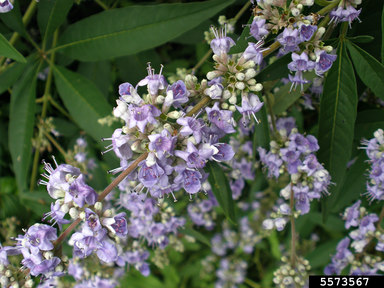
Agnus castus
Generalities
– Agn. Produces its chief effect on SEXUAL ORGANS of both the sexes, also there are characteristic symptoms in the MENTAL SPHERE.
– It lowers sexual vitality, with corresponding mental depression loss of nervous energy.
– There is a great sadness, with a fixed idea of approaching death.
– It influences both the sexes, but its influence is more pronounced in men.
– IMPOTENCY and PREMATURE OLD AGE, from abuse of sexual power.
– History of repeated gonorrhoea.
– Self contempt from sexual abuse.
– Nervous debility in unmarried persons.
– A prominent remedy for sprains and strains.
– Gnawing, itching in all parts especially eyes.
– Tachycardia caused by tobacco in neurotic young men.
– Jaded rakes.
– Agn. was used in early days, by both men and women to suppress sexual desire.
Worse
– SEXUAL EXCESS.
– Sprains of overlifting.
Mind
– Absent minded.
– Despairing sadness with impression of speedy death.
– Distraction.
– Unable to recollect things.
– Lack of courage.
– Says that she will die soon and there is no use of doing anything.
– Illusions of smells – herrings, musk.
– BAD MEMORY.
Head
– Pain as from staying in room, filled with thick and smoky atmosphere, looking to one point amel.
Eyes
– Pupils dilated.
– Gnawing, itching in eyes.
Nose
– Illusion of smell – of herring, musk.
– Hard ache on dorsum of nose amel. pressure.
Face
– Corrosive itching on the cheeks.
– Formication in the cheeks.
– Rending, tearing under alveoli of right lower jaw.
Mouth
– Ulcers in the mouth and gums.
– Teeth are painful when touched by warm food or drink.
Stomach
– Nausea with a sensation as if intestines were pressed downswards, wants to support bowels with hands.
– Only the most simple food agrees.
– Eructations smell like urine.
Abdomen
– Rumbling in abdomen during sleep.
– Spleen swollen and sore.
– Flatus smells like urine, remaining long on the clothes.
– Deep fissures, in anus.
– Sensation as of subcutaneous ulceration near the anus, only while walking.
– Bowels as if sinking down, has to support with hands.
Urinary
– Passes more urine, frequently.
Male
– Sexual desire almost lost.
– Testes; cold, swollen, hard, penis small. flaccid.
– Spermatorrhoea; with impotence.
– Loss of prostatic fluid on straining.
– Yellow discharge from urethra.
Female
– A transparent leucorrhoeal discharge passes imperceptibly from the very relaxed genital.
– Aversion to coition.
– Leucorrhoea staining yellow.
– Agalactia, with sadness.
– Menses suppressed; with abdominal pains.
– Hysterical palpitation with nose-bleed.
– Sterility; with suppression of menses and no sexual desire.
– Sexual thrill absent, from excessive masturbation.
Related
– Old, Pho-ac.
Source: Pahtak Materia medica
Homeopathic Medicines for Constipation: Natural and Effective Solutions
Constipation can be a frustrating and uncomfortable condition, but homeopathic medicines offer a safe and natural way to relieve symptoms. Discover the best remedies for constipation in this article.
Introduction:
Constipation is a common problem that affects many people, but it is often a taboo topic that people don’t want to talk about. It is defined as having fewer than three bowel movements per week or having difficulty passing stool. While it is usually not a serious health problem, constipation can cause discomfort, bloating, and pain. Fortunately, there are many homeopathic medicines that can help relieve constipation without the use of harsh chemicals or prescription drugs. In this article, we’ll explore some of the best homeopathic remedies for constipation and how they work.
What are Homeopathic Medicines?
Homeopathic medicines are natural remedies made from plants, minerals, and other substances. They are used to stimulate the body’s natural healing process and promote overall health and well-being. Homeopathy is based on the principle that “like cures like,” meaning that a substance that causes symptoms in a healthy person can be used to treat similar symptoms in a sick person. Homeopathic medicines are diluted and potentized to make them safe and effective.
What Causes Constipation?
Constipation can be caused by a variety of factors, including:
- Lack of fiber in the diet
- Dehydration
- Lack of exercise
- Certain medications
- Pregnancy
- Aging
- Stress and anxiety
Homeopathic Remedies for Constipation

Nux vomica is one of the most commonly used homeopathic remedies for constipation. It is particularly effective for constipation caused by overeating, a sedentary lifestyle, and a lack of physical activity. This remedy is also helpful for constipation caused by stress, anxiety, or travel.
Bryonia is another effective homeopathic remedy for constipation. It is particularly helpful for constipation caused by dehydration, lack of exercise, and a dry, hard stool. This remedy is also useful for constipation caused by irritable bowel syndrome (IBS).
Sepia is a homeopathic remedy that is particularly useful for constipation in women. It is often prescribed for constipation caused by pregnancy, hormonal changes, and menopause. This remedy is also helpful for constipation caused by stress and anxiety.
Alumina is a homeopathic remedy that is particularly helpful for chronic constipation. It is useful for constipation caused by a lack of peristalsis (the contractions that move stool through the intestines). This remedy is also helpful for constipation caused by aging.
How to Take Homeopathic Remedies for Constipation
Homeopathic remedies for constipation should be taken in a diluted form, usually in the form of pellets or tablets. The potency of the remedy will depend on the severity of the constipation and the individual’s overall health. It is best to consult a qualified homeopathic practitioner to determine the correct dosage and potency.
Are Homeopathic Medicines Safe?
Homeopathic medicines are generally considered safe and free from side effects. However, it is important to consult a qualified homeopathic practitioner before taking any homeopathic remedy. Homeopathic medicines should not be used as a substitute for medical treatment, and they should not be used to treat serious medical conditions.
FAQs:
Q. How long does it take for homeopathic remedies for constipation to work?
A. The length of time it takes for homeopathic remedies for constipation to work depends on the individual and the severity of constipation. In some cases,
relief can be experienced within a few hours, while in other cases, it may take several days. It is important to follow the dosage instructions carefully and to consult a qualified homeopathic practitioner if there is no improvement after several days of treatment.
Q. Can homeopathic remedies be taken with other medications?
A. Homeopathic remedies are generally safe to take with other medications. However, it is important to consult a qualified homeopathic practitioner before taking any homeopathic remedy to ensure that there are no potential interactions with other medications.
Q. Are there any dietary changes that can help with constipation?
A. Yes, dietary changes can help with constipation. It is important to increase fiber intake by eating more fruits, vegetables, and whole grains. It is also important to drink plenty of water to stay hydrated and to avoid caffeine and alcohol, which can contribute to dehydration.
Conclusion:
Constipation is a common problem that can cause discomfort and frustration. However, homeopathic medicines offer a safe and natural way to relieve symptoms without the use of harsh chemicals or prescription drugs. Some of the best homeopathic remedies for constipation include Nux vomica, Bryonia, Sepia, and Alumina. Homeopathic remedies should be taken in a diluted form, and it is important to consult a qualified homeopathic practitioner to determine the correct dosage and potency. In addition to homeopathic remedies, dietary changes can also help relieve constipation. By incorporating more fiber-rich foods and drinking plenty of water, it is possible to alleviate constipation and promote overall digestive health.
Alumina Homeopathic medicine

Alumina
Generalities
– It affects the Cerebro SpinaL Axis causing Disturbance in co-ordination, and paretic effects.
– Paraesthesia.
– In mental sphere the consciousness of reality and judgement is disturbed.
– It is suitable to old people, with lack of vital heat, or premature old age, with debility.
– It causes Dryness of skin and mucous membranes; eyes throat, rectum etc., or irritability and relaxation.
– Mucus discharges profuse.
– Discharges are thin, acrid and scanty.
– Tendency to induration.
– Functions become sluggish, actions are delayed, e.g. , prick of needle will be felt with delay, impressions reach consciousness slowly.
– Patient is thin, inactive, wants to lie down, but it increases the fatigue.
– It is useful in delicate children, products of artificial baby foods.
– Pulsations are felt in various parts; and pains go upwards.
– Patient gets better entirely for sometime, then without apparent cause gets worse.
– Chronicity.
– Exhaustion; after talking; after menses.
– Degeneration of spinal cord.
– Unable to walk, with closed eyes.
– Involuntary movement of single parts.
– Girls, dried up and wrinkled, at puberty.
– Ill effects of disappointments.
– Sensation of constriction.
– Trembling, convulsive movements, spasms, with tears and laughter or alternately.
Worse
– Warmth of Room; of bed.
– Food; artificial, potatoes, starch, salt.
– Speaking.
– Dry weather.
– Early on awaking.
– Sitting,.
– After menses.
– Periodically; on alternate days.
– Coition.
– Tobacco smoke.
– Lifting.
– Exertion.
– Full and new moon.
Better
– Evening.
– Open air.
– Moderate exertion and temperature.
– Damp weather, cold washing.
Mind
– Illusions; of being larger; numb; smooth; heavy.
– Hasty but slow of execution, hence makes mistakes in speaking and writing.
– Depressive mental states.
– Timorous.
– Fears; his own impulses; sight of knife, of blood, fears loss of reason.
– When he sees or states something, he has the feeling, as though another person had said or seen it or as though he was placed in another person and could see only then.
– Time passes too slowly.
– Aways groaning, moaning, worrying, fretting.
– Memory bad, variable mood.
– Depressed on awakening.
– Peevish.
– Everything is viewed in sad light.
– Alternating moods.
– Sensation as if he would fall forwards, which he greatly fears.
– Things seem unreal. Laughs and talks between paroxysms of spasms.
– Sneers at everything.
– Grumbles.
– Suicidal tendency on seeing knife or blood.
Head
– Vertigo; agg. talking on closing or opening eyes, before breakfast.
– Vertigo; with white stars before the eyes, when eyes suddenly went out of focus; one has to wait for normal vision, amel. wiping eyes.
– Violent stitches in the brain, with nausea.
– Headache, as if one were dragged by the hair.
– Falling of hair; scalp itches and is numb.
– Headache amel. by lying quite in bed.
– Dry hair.
Eyes
– White stars before the eyes, with vertigo.
– Eyelids; weak, falling, thickened, dry, burning, smarting.
– Double squint, agg. agglutination at night, lacrimation during day.
– Eyes feel cold.
Ears
– Heat and redness of one ear.
– Eustachian tube seems plugged.
– Crackling noises and buzzing in ears when, chewing or swallowing.
Nose
– Nostrils sore and red.
– Point of nose cracked.
– Scales with thick yellow mucus.
Face
– Old look; dusky, wrinkled.
– As of white of egg of a cobweb on face.
– Blood-boils, and pimples.
– Involuntary spasmodic twitchings of the lower jaw.
– Maxillary joints feel tight, while chewing or opening mouth.
Mouth
– Musty bad odour from mouth.
– Teeth; feel long; pain extends to other parts down larynx, neck, shoulders.
– Mouth feels dry with increased saliva.
– Tingling, itching on tongue.
Throat
– Dry feels full of sticks, or constricted, food can not pass.
– Through sore from eating onions.
– Constant inclination to clear the throat.
– Uvula hangs down.
– Swallowing painful, agg. solids amel. empty swallowing, warm drinks.
– Tightness from pharynx down to stomach as if food could not pass; can swallow but small morsels at a time.
– Clergyman’s sore throat.
– Feels food, whole length of oesophagus.
Stomach
– Abnormal craving; for coarse food, chalk, charcoal, dry food, clean white rags, te or coffee grounds, fruits vegetables, dry rice and indigestible things.
– Constriction of oesophagus.
– Pain lasting 3 hours after meals.
– Big bellied children.
– Aversion to potato, to meat, which disagrees.
Abdomen
– Left sided abdominal complaints.
– Pressing in both groins, towards sexual organs.
– Pains from rectum to ankle.
– Inactive rectum, even a soft stool is passed with difficulty, hard stools cause severe cutting.
– Stools of small balls, hard knots or bright clots of blood.
– Evacuation is preceded by painful urging, long before stool, then straining at stool.
– Constipation; of sucklings, old people and women of sedentary habits.
– Can only pass stool when standing.
Urinary
– Muscles of the bladder paretic must strain at stool to urinaate.
– Renal pains agg. dancing.
– Frequent desire to urinate in old people; slow flow.
– Fears he will wet the bed.
– Retention, with dribbling.
– Smarting while urinating.
– Feeling of weakness in bladder and genitals.
Male
– Sexual desire increased.
– Voluptuous itching or tickling in genitals.
– Involuntary emission; while straining for stools, followed by old symptoms.
– Pains in the perineum, during coition and while the erection continues.
– Priapism at night.
Female
– Menses, too early, short, scanty, pale followed by great exhaustion.
– Leucorrhoea; acrid profuse, runs to feet agg. during daytime; before menses amel. by washing with cold water.
– Intolerable bearing down pain.
– Tickling and itching in genitals; with strong desire for embrace.
– Nipples itch, burn, look anger (during pregnancy).
– It takes a woman all her time to recuperate from one menstrual period to the next.
Respiratory
– Cough, constant, dry, hacking interrupts breathing, with sneezing; agg. after waking in the morning from elongated uvula; from condiments or eating irritating things, talking or singing.
– Sudden loss of voice; on taking cold.
– Chest feels constricted, agg. sitting bent or stooping.
– Soreness of chest; on talking; on lifting.
Heart
– Palpitation and shocks at heart.
– Wakes at 4 to 5 a.m. with anxiety at heart, amel. after rising.
Neck and back
– Pain in the back, as if hot irons were thrust through lower spine.
– Violent stitches in back.
– Back feels bandaged by a cord.
Extremities
– Pain in the arms and fingers, as if hot iron penetrated.
– Arms; feel heavy, as if paralyzed; short; go to sleep.
– Lower limbs heavy.
– Staggering on walking.
– Legs feel numb, especially when sitting crossed legged.
– Heels feel numb, when stepping.
– Festination.
– Locomotor ataxia.
– Nails brittle or thick.
– Gnawing under nails.
– Inability to walk except when eyes are open or in daytime.
– Totters if eyes were closed.
– Soles; painful, on stepping on it, as if they were too soft and on walking; cramps when crossing legs.
– Bones feel squeezed.
Skin
– Intolerable itching, when getting warm in bed.
– Dry, rough,cracked skin.
– Itching, burning, over seat of pain.
– Must scratch, until it bleeds.
– Eczema.
– The slightest injuries of the skin smart and become inflamed.
– Skin symptoms, agg. winter, full and new moon.
Sleep
– Anxious, restless, with confused dreams; about thieves, ghosts, of boats foundering.
Fever
– Chilliness amel. open air.
– Heat with itching.
Complementary
– Bry.
Related
– Bry; Plb.
Source: Phatak Materia medica
Sepia Homeopathic Medicine
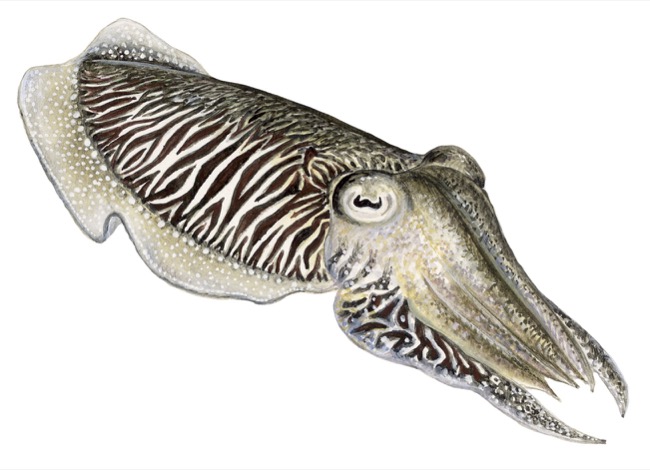
Sepia officinalis
Generalities
– Inky juice of cuttle fish, known as a Indian ink, is supposed to be pre-eminently a woman’s remedy, though the first symptoms were found by Dr. Hahnemann proved accidently by a male artist.
– It affects the venous circulation esp. of the Female pelvic Organs; of portal system and of digestive tract.
– Venous stasis and thereby ptosis of viscera is a marked feature.
– It is suited to young persons of both sexes, of nervous and delicate constitution, who are disposed to sexual excitement or worn out by sexual excess.
– Children who take cold easily when the weather changes.
– Relaxed, plethoric females.
– Weak, pot-bellied mothers with yellow complextion.
– Affections in pregnant women.
– Females dragged down by over work, loss of vital fluids, excess of sexual indulgence, who are subject to prolapses, uterine troubles.
– Symptoms settle in back, in ileo-coecal region, ovaries etc.; upward in head; bearing down in pelvic region.
– Shuddering from pain.
– Sudden prostration.
– Weak empty hollow feeling in epigastrium, chest, muscles, lumbar back, hips, knees etc.; or sensation of fulness.
– As of a lump or something rolling over internally.
– Violent ebullitions of blood with pulsation throughout the body.
– Fits of uneasiness and hysterical spasms.
– Spasms, clonic, tonic, cataleptic.
– Short walk fatigues much.
– Jerking in muscles.
– Burning pains in different parts of the body.
– Bleedings.
– Milky secretions.
– Fainting fits.
– Fidgety.
– Tendency to abortion; from 5 – 7th month.
– Tubercular patients with chronic hepatic troubles and uterine reflexes.
– Feels cold even in a warm room.
– Ill effects of anger and vexation; blows; injury; overlifting; falls; jar; getting wet; laundry work; boiled milk; fat; pork; tobacco.
– Faints while kneeling in the church.
– Diseased conditions which drag on, linger.
– Warty growths.
– Atrophy of children, face like old man, big belly, dry flabby skin.
– Rheumatism, chronic cases or obstinate remains of acute.
Worse
– Cold; AIR; north wind; snowy air; snowfall, wet.
– Sexual excess.
– Before menses.
– Pregnancy.
– Abortion.
– Morning and evening.
– After first sleep.
– Falling to sleep.
– Sitting standing.
– Kneeling.
– Jarring.
– Stooping.
– Coitus.
– Before thunderstroms.
– Touch.
– Ascending.
– Rubbing.
– Lifting.
– Scratching.
– Washing clothes.
Better
– Violent Motion.
– Warmth; of bed.
– Pressure.
– Hot application.
– Crossing or drawing limbs up.
– After sleep.
– Cold drinks; cold bath; open air.
Mind
– Angry; sensitive; irritable; easily offended, and miserable.
– Wants to commit suicide.
– Nervous, so that she wants to hold on to something or she should scream.
– She says and does strange things.
– Nobody knows what she will do next.
– Anxious fear; over trifles.
– Aversion; to family, to those loved best; to sympathy; to company; yet dreads to be alone.
– Repugnance to customary business; disgust of life.
– Stiffled affections.
– Poor memory.
– Makes mistakes while writing or reading.
– Sad.
– Irritability, alternating with indifference or sulkiness.
– Sad over her health and domestic affairs.
– Constantly worries, frets and cries about her real or imaginary illness.
– Sexually minded.
– Weeps when telling her symptoms.
– Miserly.
– Stupid, wants to go away.
– Indifference.
– Takes pleasure in teasing others.
– Feels unfortunate without cause.
– Sits quietly and answers either with yes or no.
– Women hate men and men hate women.
– Breaks down in spells of weeping.
Head
– Fits of vertigo agg. walking in open air, least movement of arms; or with a sensation as if something rolling round the head.
– Headache; shooting, stinging pain; within out or upwards; over left eye; heavy on vertex, alternating sides of occiput; agg. lying on painful side, indoors; with nausea and vomiting.
– Headache in terrible shocks at menstrual time; with scanty flow; with desire for coition.
– Jerking of head backwards and forwards; involuntary; with open fontanelles in children; hysterical or from pain.
– Hair falls out; after chronic headache, at climaxis.
– Root of hair sensitive to combing.
– Pimples on forehead along the margins of hair.
– Vertex cold, and heavy.
– Hemicarnia.
– Jaundice, with headache.
– Screams with pain.
– Headache agg. shopping, mental labour, amel. meals.
Eyes
– Drooping eyelids.
– Sees; black spots, veil, points, sparks, flashes, zigzags and streaks of light before eyes; then collpase.
– Tarsi; red, itching; cancer.
– Vanishing of sight during menses amel. lying.
– Tarsal tumours.
– Vision dimmed; from sexual excess, masturbation and uterine diseases.
– Can not tolerate reflexed light.
– Arrests cataract in women.
– Falling out feeling in eyes.
– Epithelioma of eyelids.
– Eyes red with styes.
Ears
– Herpes; behind ears; on lobe of ears; on nape of neck.
– Oversensitive to noise; esp. music.
– Sudden deafness; as if caused by the plug in ears.
– Discharge: thick yellow pus; offensive.
– Swelling of and eruptions on external ear.
Nose
– Great sensitiveness to odours; which are repulsive; to the smell of cooking food.
– Pressing pain at root.
– Brown; Yellowish; Stripe Across.
– Thick greenish discharge; thick foul, plugs and crusts.
– Post-nasal dropping of heavy, lumpy discharges, must be hawked from mouth.
– Epistaxis; when the nose has been struck by anything even lightly; during menses; during pregnancy; with piles.
– Ozaena.
– Ascending throat colds.
– Pain in occiput with drawing in arms and legs during cold.
Face
– Changing colour.
– Dark circles under eyes.
– chloasma.
– Acne agg. before menses.
– Malar bones numb.
– Swollen cracked lower lip.
– Cancer of the lips, epithelioma.
– Old, wrinkled, with spots.
– Jerking of facial muscles while talking.
– Warts on.
Mouth
– And tongue feel burnt.
– Taste; cheesy, fishy, bitter, sour, putrid, offensive.
– Hawks foul or cheesy grains in the morning.
– Everything taste too salty.
– Painful teeth, during pregnancy, menses and during cold, agg. lying.
– Tongue dirty, becomes clear during menses.
Throat
– Sensation of plug.
– Pain as if it is raw.
– Ascending throat colds.
– Pressure in the throat, feels neck cloth tight.
– Hawks foul mucus or balls, in the morning.
Stomach
– Nausea; at thought or smell of food; in A.M. ; thought of coition.
– Vomiting; of solid food only or of milky fluids; during pregnancy; in the morning; rinsing mouth.
– Longing; for vinegar, acids and pickles, sweets.
– Faint Sinking Feeling at Epigastrium: not amel. eating; or a lump in.
– Burning in pit of stomach.
– Boiled milk disagrees.
– Acidity.
– Dyspepsia from over-lifting; from tobacco.
– Voracious appetite, or no appetite; sudden craving, sudden satiety.
– Sense of something twisting about the stomach and rising into the throat.
– Distress or pain in stomach agg. vomiting.
– Eructations; milky, sour, bitter, rancid; of tough, foamy mucus.
Abdomen
– Pain in the region of liver or gall bladder agg. stooping.
– Liver sore and painful amel. lying on right side.
– Falling out or heavy bearing down feeling in hypogastrium amel. by holding it or crossing legs.
– Pot-belly of mothers.
– Constipation obstinate, no urging for days.
– Large hard stools; feeling of a ball in rectum.
– Rectum constricted and powerless, almost constant oozing from anus.
– Diarrhoea; greenish, infantile; from boiled milk, with rapid exhaustion.
– Piles; prolapsing; agg. walking, bleed while walking, with sticking pain; of pregnancy.
– Stools, then gelatinous mucus.
– Pains shoot up in rectum.
– Brown spots on abdomen.
– Stools are passed after prolonged straining, followed by cupful of jelly-like yellow-while, very offensive mucus.
– Prolapse of rectum after smoking.
– Sense of weight or ball in anus not amel. by stool.
Urination
– Involuntary urination during first sleep; agg. coughing, sneezing; laughing; hearing sudden noise, fright or inattention esp. in women, etc.
– Slow urination, with bearing down sensation above pubis.
– Urine Thick, Foul; white gritty or Adherent Red Sandy Sediment.
– Urine feeble, slow.
– Cutting pain in bladder before urination.
– Urine; bloody, milky.
– Shuddering when urging for urine is not attended to.
Male
– Sexual desire increased.
– Complaints after coition.
– Offensive perspiration on scrotum.
– Genitals cold.
– Condylomata surrounding head of penis.
– Impotency.
Female
– WEAK, DRAGGING or BEARING DOWN SENSATION, as it everything would escape from vulva; must cross limbs or hold parts to prevent protrusion.
– Gripping, burning or sticking in uterus.
– Coition; painful; from dryness of vagina; bleeding after.
– Dryness of vagina and vulva; after menses; causing disagreeable sensation when walking.
– Aversion to coition, or complaints after.
– Menses; absent; at puberty; after weaning.
– Menses; too late, and scanty; irregular; early and profuse.
– Labia swelled; abscessed.
– Leucorrhoea; yellow, greenish, milky, in large lumps, in little girls; instead of menses, foul; gonorrhoeal; with stitches up in vagina from uterus to navel; during day.
– Nipples cracked across the crown.
– Retained placenta; after abortion.
– Sub-involution.
– Exhaustion after coition.
– Nausea and irritability on thought of coition.
– Amenorrhoea.
– Metritis with pain in lumbar region and frequent urination.
– Motion of foetus is intolerable.
– Metrorrhagia at the time of climaxis.
– Sudden flushes of heat, wtih weakness and sweat during climaxis.
– Tendency to abortion; from 5th to 7th month.
– Severe itching in vulva causing abortion.
– Sterility.
– Mania from profuse menses.
Respiratory
– Dry, fatiguing cough, as if coming from stomach; agg. rapid change of temperature; with foul sputum.
– Whooping cough that drags on.
– Dyspnoea, agg. after sleep amel. rapid motion.
– Sensation of emptiness in chest.
– Hypostatic pleuritis.
– Brown spots on chest.
– Rotten egg taste with coughing.
– Asthma.
– Chest symptoms amel. by pressure of hand.
– Neglected pneumonia.
Heart
– Circulation irregualr; seems to stagnate.
– Palpitation; visible, ascends to occiput.
– And occasional hard thump of the heart.
– General pulsations.
– Ebullitions at night.
– Overfull blood vessels.
– Wakes up with violent beating of heart.
– Tremulous feeling with flushes.
– Nervous palpitation amel. walking fast; agg. lying on left side.
Neck and back
– Collar feels tight.
– Aching in inter-scapular or Lumber Region; paralytic; wants to be pressed.
– Sudden pain in back, as if struck by a hammer agg. stooping; kneeling.
– Pain in back amel. eructations, by pressing back against something hard.
– Weakness in small of back when walking; from uterine disease.
– Everything affects the back.
– Icy coldness between the scapulae.
– Cramps in buttocks when stretching out legs.
Extremities
– Hands purple.
– Cold hands in warm room.
– Tension in limbs as if they were too short.
– Limbs restless, twitching and jerking day and night.
– Knees and heels cold.
– Sciatica amel. during pregnancy; chronic, localizing in heels.
– Sensation of running, as from a mouse in lower limbs.
– Hot hands with cold feet or vice versa.
– A short walk fatigues much.
– Crippled nails.
– Hands sweaty.
– Skin in palms peels off.
Skin
– Blotched; raw, rough, hard or cracked; agg. flexures.
– Boils in axilla.
– Thick crusts on elbows.
– Ulcers, on small joints.
– Epithelioma; on eyelids, lips.
– Wine coloured skin.
– Spots on skin.
– Ringworm agg. every spring.
– Itching vesicles.
– Urticaria agg. open air amel. warm room.
– Thick crusts form upon the joints.
– Indurations from constant pressure; with purple colour.
Sleep
– Talks loudly during sleep.
– Dreams, agg. if he lies on left side.
– Wakes frequently or as he has been called.
Fever
– Easily chilled.
– Chilly with air hunger.
– Cold; in spots; on vertex; between scapulae; feet, in bed.
– Anxious hot flushes preceded by sudden weakness.
– Sweat; easy; offensive, with orgasms; on genitals, in axillae; or back between menses.
– Irregular fevers.
– Heat ascending or as if hot water were poured over him.
Complementary
– Nat-m; Nux-v; Pho; Psor; Pul; Sabad; Sul.
Related
– Calc-c; Caus; Con; Gel; Lil-t; Lyc; Mur-x; Nat-c; Nat-m; Pul.
Source: Phatak Materia Medica
Bryonia alba Homeopathic medicine

Bryonia alba
Generalities
– Bryonia develops a marked action on all Serous Membranes and the viscera they contain, causing Inflammation and exudation.
– It disorders circulation, producing congestion; alters the blood, giving rise, to typhoid, bilious, rheumatic and remittent types of fevers.
– Aversion to least motion, even to distant parts, is due to its action on nerves and muscles.
– Mucous membranes become dry, hence discharges are scanty and adherent.
– Complaints, develop slowly, but forcibly.
– Pains are Bursting; Stitching or heavy sore; going backwards.
– Effects are very painful; on coughing holds sides, chest, head.
– Joints painful.
– Streaks of red-lymphangitis.
– Gastro-bilious-rheumatic constitution.
– Every spot in the body is painful to pressure.
– Dropsical swelling gradually increase as the day progresses and disappear during the night.
– Children dislike to be carried or raised.
– Physical weakness; on slightest exertion; all pervading apathy.
– Ill effects; of anger, fright; chagrin.
– Suppressed eruptions and discharges.
– Alcohol.
– Gluttony.
– Wounds.
– Complaints from taking cold drinks, in hot weather.
– Often indicated in injury of the joint when Arnica fails.
– Muscles become hard, after neuralgia.
– Dryness everywhere, of mouth, throat etc.
– It is adapted to nervous dry, slender people.
– Right sided effects.
– Vicarious bleeding.
Worse
– Motion-Least; Raising up; Stopping; Coughing; Exertion; Deep Breathing.
– Dry cold or heat.
– Becoming Hot; In Room.
– Hot weather.
– Drinking; while hot.
– EATING.
– Vegetables.
– Acids.
– Calomel.
– Vexation.
– Touch.
– Suppressions.
– Taking cold.
– Early a.m.
Better
– Pressure; Lying on Painful Part.
– Bandaging.
– Cool Open Air.
– Quiet.
– Cloudy, damp days.
– Drawing knees up.
– Heat to inflamed part.
– Descending.
– Sitting up.
– Cold food, drink.
Mind
– Very irritable and ugly in behaviour.
– Determined.
– Taciturn.
– Delirium, wants to go home, thinking he is not there.
– Talks of business.
– Wants to be let alone.
– Desire for things which are rejected when offered.
– Dull.
– Apprehension and dread for future.
– Despair of being cured, with fear of death.
Head
– Dizzy or Faint on Rising up.
– Vertigo felt in occiput.
– Bursting; Splitting or Heavy crushing headache; fronto-occipital agg. moving eyes, coughing, straining at stools etc.
– Vertigo; as though all objects are whirling, or as if sinking deep down in the bed, amel. cold.
– Pain over left eye, pressive, going to occiput, thence spreading over whole body.
– Scalp very sensitive, can not bear even a soft brush, every hair pains.
– Oily hair.
– Headache; from ironing; when constipated.
Eyes
– Eyeballs sore; pains behind the eyeballs.
– Glaucoma.
– Lachrymation, during day esp. in the sun.
– Lids swollen and puffed.
Ears
– Aural vertigo.
– Ringing, humming in ears.
– Vicarious bleeding from ears.
Nose
– Nose bleeding; vicarious; when menses should appear; in pregnancy.
– Swelling of tip of the nose, feels as if it would ulcerate when touched.
– Boils.
– Descending colds.
Face
– Dark red, hot, bloated.
– Chewing motions, in brain affections, of children.
– Lips; dry, as if burnt, parched, cracked, wants to moisten them.
– Burning of lower lip in old smokers.
– Picking of lips.
Mouth
– Dry.
– Tongue; very dry, rough, coated along centre; red at base.
– Taste Bitter, can not swallow food, amel. cold drinks.
– Toothache amel. cold water, agg. brushing teeth.
– Jerking toothache when smoking or chewing tobacco.
– Collection of soapy, frothy saliva.
Throat
– Hawks brown lumps, with effort.
– Throat; dry, scraping roughness in.
– Back of throat seems swollen.
– Aphthous patches; recurring.
Stomach
THIRST, FOR LARGE QUANTITY OF COLD WATER; also for warm drinks which amel.
– Craves what he cannot relish.
– Loathing for food.
– Nausea agg. rising up, lying on right side.
– Bitter vomiting; of bile and water, immediately after eating.
– Vomits solid food only.
– Heavy load in stomach agg. eating.
– Stomach sensitive to touch.
– Great desire for coffee, wine and acid drinks.
– Aversion to milk, but when he takes it he relishes it.
– Tasteless eructations.
– Vomits warm drinks.
– Drinks hastily and eagerly.
Abdomen
– Epigastrium; tender, throbbing.
– Liver, heavy, sore, swollen, amel. lying on it.
– Abdominal wall very tender.
– Appendicitis.
– Peritonitis.
– Stools; LARGE DRY, VERY HARD, as if burnt; loose, painless, undigested, involuntary, during sleep.
– Constipation.
– Diarrhoea; gushing agg. in the morning, on rising, eating cabbage.
– Diarrhoea; in hot weather; after cold drinks.
– Lumps of tough mucus, after stools.
– Burning in anus, with stools.
– Yellow, mushy stools.
– Jaundice.
– Groins sore before menses.
– Complaints from over lifting, concussion.
Urinary
– Urine; red, brown like beer; scanty, hot.
– Inclination to make water, with suspended respiration on lifting loads.
– Involuntary urination during exertion.
– Burning in urethra, when not urinating.
Female
– Menses; suppressed with vicarious discharges or splitting headache.
– Pain in breast at menstrual period.
– Breast; hot and painful, hard.
– Milk fever.
– Intermenstrual pain, with great abdominal and pelvic soreness.
– Mastitis, stony hard mammae.
– Abscess of mammae.
– Ovaritis.
– Infant-sore mouth; child does not want to take hold of breast, but after mouth becomes moist it nurses well.
– Menses; dark, foul.
– Stitches in the ovaries on taking deep breath.
– Frequent nose bleed at the appearance of menses.
Respiratory
– Cough; Dry, Hard, Very Painful, at night as of from stomach, must sit up agg. eating and drinking.
– Wants to take deep breath, but can not or it excites cough.
– Expectoration; rusty blood streaked or tough.
– Bronchitis.
– Asthma.
– Pneumonia.
– Sharp Stitches in chest or at right scapula, agg. deep breathing and coughing.
– Pleurisy.
– Coming into warm room excites cough.
– Holds chest, or presses the sternum when coughing.
– Dry friction sound.
– Cough, with sneezing.
Heart
– Stitches in cardiac region.
– Pulse; FULL, QUICK, harsh.
Neck and back
– Instrascapular numbness or pain going to epigastrium or from left scapula to heart.
– Painful stiffness of neck.
– Pain in the small of back agg. walking or turning.
– Stitches and stiffness in small of back.
– Lumbago agg. stooping.
Extremities
– Joints red, swollen hot.
– Pins and needles in soles, preventing walking.
– Constant motion of left arm and leg, with sighing.
– Swelling of elbow.
– Knees totter and bend under him when walking.
– Tendency to run backwards.
– Sciatica amel. lying quietly and lying on painful side.
Skin
– Slow development or sudden recending of rash, in eruptive fevers.
– Undeveloped measles.
– Skin; yellow, pale swollen, dropsical.
Sleep
– Dreams; of hard work, about household affairs, about business of the day, in delirium.
– Drowsy.
– Starting when falling asleep.
– Walks in sleep.
Fever
– Chill with hot head and red face; agg. warm room.
– Dry burning heat; with agg. of all the symptoms.
– Blood seems hot.
– Painful continued fevers.
– Sweat; sour or oily.
Complementary
– Abro; Alu; Kali-c; Lyc; Nat-m; Rhus-t; Sep; Sul.
Related
– Phyt; Rhus-t.
Which Homeopathic Medicine Gives the Best Cure for Anxiety?

Anxiety is a common problem among people these days. In this article, we will discuss the best homeopathic medicines that provide relief from anxiety.
Introduction:
Anxiety is a feeling of fear, worry, and nervousness. It is a normal emotion that everyone experiences in their life, but it becomes a problem when it starts to affect daily life. Anxiety disorders are one of the most common mental health problems that people face these days. Many people rely on homeopathic medicines to treat anxiety. Homeopathic medicines are made from natural substances, and they have no side effects. In this article, we will discuss the best homeopathic medicines that provide relief from anxiety.
Which Homeopathic Medicine Gives the Best Cure for Anxiety?
Aconitum Napellus is a homeopathic medicine that is effective in treating acute anxiety. It is useful when the anxiety comes on suddenly and is accompanied by fear and restlessness. It is also helpful in treating panic attacks and phobias.
Arsenicum Album is a homeopathic medicine that is effective in treating anxiety that is accompanied by restlessness and fear of death. It is also helpful in treating anxiety related to health issues and obsessive-compulsive disorder (OCD).
Gelsemium Sempervirens is a homeopathic medicine that is effective in treating anxiety that is accompanied by weakness and trembling. It is also helpful in treating anxiety related to stage fright and anticipatory anxiety.
Ignatia Amara is a homeopathic medicine that is effective in treating anxiety that is accompanied by sadness and grief. It is also helpful in treating anxiety related to the loss of a loved one or a relationship.
Lycopodium Clavatum is a homeopathic medicine that is effective in treating anxiety that is accompanied by low self-confidence and fear of failure. It is also helpful in treating anxiety related to digestive disorders.
FAQs:
Q. How long does it take for homeopathic medicine to work for anxiety?
A. Homeopathic medicines are safe and effective, but they may take some time to show results. The time it takes for the medicine to work depends on the severity of the anxiety and the individual’s response to the medicine.
Q. Are homeopathic medicines safe for children with anxiety?
A. Yes, homeopathic medicines are safe for children with anxiety. They are made from natural substances and have no side effects.
Q. Can I take homeopathic medicine along with conventional medicine for anxiety?
A. Yes, you can take homeopathic medicine along with conventional medicine for anxiety. However, it is advisable to consult a homeopathic doctor before taking any medicine.
Conclusion:
Homeopathic medicines are an effective and safe way to treat anxiety. Aconitum Napellus, Arsenicum Album, Gelsemium Sempervirens, Ignatia Amara, and Lycopodium Clavatum are some of the best homeopathic medicines that provide relief from anxiety. However, it is advisable to consult a homeopathic doctor before taking any medicine for anxiety.
Gelsemium Homeopathic medicine

Gelsemium sempervirens
Generalities
– Gels. centres its action upto the MISCLES and MOTOR NERVES.
– In muscles it causes overpowering ACHING; TIREDNESS; HEAVINESS; WEAKNESS AND SORENESS esp. felt in the muscles of the extremities.
– Affection of motor nerves produce all types of functional paralysis – of eyes; throat, larynx, anus, bladder etc. or TREMORS or twitchings; of single muscles, face, chin, tongue etc.
– Circulation becomes sluggish causing passive arterial or venous congestion; with sense of fulness and heaviness in different organs; heart, liver etc.
– Catarrh of MUCOUS MEMBRANES cause watery discharges.
– General state of paresis, bodily and mental.
– Complete relaxation and prostration.
– Wants to lie down quietly; half reclined; wants to be held.
– Dulness; dizziness, drowsiness; eye or visual effects; tremors; and polyuria; one or two of these symptoms usually accompany most of the diseased conditions in which Gels. is indicated.
– Inco-ordination of muscles, which do not obey the will.
– Chorea of pregnancy.
– Convulsions; hysterical.
– Nervous affections of cigar makers.
– Body feels light in onanists or hysterical subjects.
– Influenza.
– Measles.
– Pellagra.
– Post diphtheritic paralysis.
– Paralysis agitans.
– Ill effects of fright, fear, depressing emotions, anger, bad news, unpleasant surprise.
– Masturbation, traumatic shock.
– Alternate pelvic organ symptoms with head symptoms.
– Weak, tired, delicate, timid, excitable, easy to anger persons, children and adolescents.
– Never well since the flu.
– Coma, and apoplexy; sub-arachnoid.
Worse
– EMOTIONS.
– DREAD.
– Shocks.
– Ordeals.
– Motion.
– Surprise.
– Weather – HUMID; SPRING; foggy.
– Heat of sun; summer.
– Periodically.
– Tobacco.
– Thunder storms.
– Cold – damp weather.
– dentition.
– When thinking of his ailments.
Better
– Profuse urination; sweating.
– Shaking.
– Alcoholic drinks.
– Mental efforts.
– Bending forwards.
– Continued motion.
– Afternoon.
– Reclining, with head held high.
Mind
– Confusion; acts as if crazy.
– Dazed.
– Apathetic.
– Depsire to be quiet or left alone.
– Wants to throw himself from a height.
– DREAD; of falling; of ordeals, death, pain.
– Indifferent regarding his illness.
– Answers slowly.
– Cataleptic immobility, with dilated pupils, closed eyes but conscious.
– Child starts, grasps the nurse and screams as if afraid of falling.
– Discerning power slow.
– Effects of grief, can not cry; broods over her loss.
Head
– VERTIGO; spreads from occiput; as if drunk, with visual symptoms.
– Dull HEAVY or band like headache; around the occiput; to over eyes; agg. tight cap; amel. shaking; lying with head high; after profuse urination.
– Swelled feeling in head.
– Meningitis – congestive stage, pain at the back of head and dilated pupils.
– Pressure pain from the vertex to shoulders.
– Pain in temples extending into ear, wing of nose and chin.
– Soreness of the scalp.
– Apoplexy; sub-arachnoid.
– Blood rushes from the occiput to the forehead.
– Hot, with cold limbs.
– Migraine begins at 2 or 3 a.m. amel. in the afternoon.
– Can not hold erect.
– Fontanelle pulsate strongly.
Eyes
– Pupils dilated.
– HEAVY DROOTING EYELIDS.
– Diplopia; when looking sideways, during pregnancy.
– Blind spells.
– Sight dim or swimming.
– Photomania.
– Affections of vision before migraine.
– Eyes; red sore aching; suffused.
– Detached retina; from injury or myopia.
– Glaucoma.
– Orbital neuralgia with contraction and twitching of muscles.
– Amaurosis from masturbation.
– Hysterical amblyopia.
– Eye pains extend to occiput.
– Retinitis.
– Gauze before.
– Corrects discomfort in eyes even after accurately adjusted glasses.
– Vitreous hazy.
Ears
– Sudden loss of hearing for a short time.
– Pain while swallowing.
– Impaired hearing from cold.
Nose
– Stuffed.
– Coryza, with thin acrid watery discharge.
– Sensation as if hot water flowing from the nostrils.
– Summer cold.
– Sneezing; early morning.
Face
– Hot heavy, full, dusky red; besotted or expressionless.
– Chin quivers.
– Lower jaw dropped.
– Lower jaw wags sideways.
– Paralysis.
Mouth
– Tongue; heavy, numb, partially paralyzed; speech thick, as if drunk, he can hardly speak.
– Saliva coloured yellow as from blood.
– Tongue, numb, trembles while protruding.
– Thick yellow coating on tongue.
– Muscles around the mouth seem contracted.
Throat
– Swallowing difficult.
– Paralytic dysphagia esp. agg. from warm food.
– Swallowing causes pain into the ear.
– Feeling of a painful lump in throat that can not be swallowed, in hysterical women.
– Pain from throat to the ear.
– Tonsillitis.
– Post-diphtheritic paralysis.
– Sore throat during menses.
– Paralytic dyspagia after cerebral apoplexy.
Stomach
– Usually thirstless; but thirst with sweat.
– Little appetite but can take food or drink.
– Feeling of emptiness of weakness in the stomach, or bowels.
– Cramps in stomach, agg. riding or sittinng erect.
– Hiccough, agg. evening.
Abdomen
– Passive congestion of liver.
– Griping in the gall bladder.
– Periodical colic.
– Copious yellow stools.
– Diarrhoea; painless; in nervous persons; after sudden emotions as grief, fright, bad news, anticipation of an unusual ordeal.
– Stools, cream coloured; tea-green.
– Paralysis of sphincter ani.
– Prolapse or rectal pains after labour.
– Involuntary stools.
Urinary
– Profuse, clear, watery urine; with chill and trembling, amel. headache.
– Incontinence from excitement; from paralysis of sphincter.
– Alternate dysuria and enuresis.
– Flow intermittent.
– Retention.
– Constant urination; hysterical.
Male
– Involuntary emissions without erections.
– Genitals cold, relaxed.
– Dragging pain in testes.
– Profuse warm sweat on scrotum.
– Sexual power exhausted, slightest caress causes an emission.
Female
– Uterus heavy sore; feels as if squeezed (antiflexion).
– Dysmenorrhoea; with scanty flow; pains extend to back and hips.
– Labour pains go up; backward or down the thighs.
– Deep yellow leucorrhoea; with aching across lower part of the back.
– Os rigid.
– False labour pains.
– Threatened abortion from sudden depressing emotions.
– As of a wave from uterus to throat, with choking feeling, – impedes labour.
– Nervous chills-first stage of labour.
– Coition difficult from contraction of vaginal muscles.
– Epileptiform convulsions at menstrual period or from suppressed menses.
– Twitching of muscles of the whole body with drowsiness, before puerperal convulsions.
– Severe after pains.
Respiratory
– Hoarseness; during menses; in hysteria or after depressing emotions.
– Tiresome, slow breathing.
– As of a lump behind the chest.
– Spasms of glottis; long crowing inspiration, sudden and forcible expiration.
– Dry cough, with sore chest and fluent coryza.
– Burning in larynx and chest, when coughing.
Heart
– Sore.
– Feeling as if heart would stop beating, if she did not move about.
– Pulse slow, soft, weak, full and flowing.
– Weak slow pulse; of old age.
– Pain in heart on rising from seat.
Neck and back
– Neck feels bruised, unable to hold the head.
– Dull pain up and down in spine; amel. walking; with occipital pains.
– Pains under scapula.
Extremities
– Hard aching in humerus (R).
– Hands; hot dry numb esp. palms.
– Wants hands in cool water.
– Cramps in muscles of the forearm.
– Professional neurosis.
– Writer’s cramp.
– Heavy lower limbs.
– Excessive trembling and weakness of limbs.
– Knees weak agg. descending; tottering gait; can not direct his legs.
– Coldness of wrists and hands.
– Feeling of partial luxation of patella when walking.
Sleep
– DROWSINESS.
– Starts on falling to sleep.
– Heavy stupid sleep.
– Sleepiness of students.
– Sleeplessness from mental excitement; thinking or tobacco.
Skin
– Hot dry; moist; yellow.
Fever
– Chill with aching and languor; mixed with heat or alternating with heat; chill up and down back.
– Cold hands and feet.
– Heat – with drowsiness.
– THIRST ABSENT; with trembling.
– Cold sweat.
– Bilious remittent; malarial; typhoid; cerebro-spinal fevers.
– Measles.
– Nervous, shuddering, chill; preceded by visual disturbances.
COMPLEMENTARY.
– Arg-n; Sep.
Source: Phatak Materia medica
What is Homeopathic Medicine and How it Works?

Homeopathic medicine is a natural and holistic approach to healing the body. Read on to learn more about what it is and how it works.
Introduction:
Homeopathic medicine has been around for more than two centuries and is a popular alternative approach to traditional medicine. The concept behind homeopathy is to treat the whole person, not just the symptoms of their illness. Homeopathy uses natural substances in highly diluted amounts to stimulate the body’s healing abilities. In this article, we will explore the basics of homeopathic medicine and how it works.
What is Homeopathic Medicine?
Homeopathic medicine is a form of alternative medicine that was developed in the late 18th century by a German physician named Samuel Hahnemann. It is based on the principle of “like cures like,” meaning that a substance that causes symptoms in a healthy person can be used to treat similar symptoms in a sick person.
Homeopathic medicines are made from natural substances, such as plants, minerals, and animal products, that are highly diluted in water or alcohol. The dilution process is believed to increase the effectiveness of the substance while reducing the risk of side effects.
How Does Homeopathic Medicine Work?
Homeopathic medicine works by stimulating the body’s natural healing abilities. The highly diluted substances used in homeopathy are thought to trigger a response in the body that helps it fight off the illness or condition.
Homeopathic remedies come in many different forms, including tablets, pellets, and liquid drops. The appropriate remedy is chosen based on the individual’s symptoms and overall health. Homeopathic practitioners take a holistic approach to treatment, considering the person’s mental, emotional, and physical health when selecting a remedy.
Homeopathic remedies are generally safe and have few side effects. However, it is important to note that homeopathy should not be used as a substitute for traditional medical care in cases of serious illness or injury.
How is Homeopathic Medicine Different from Traditional Medicine?
Homeopathic medicine differs from traditional medicine in several ways:
- Homeopathy treats the whole person, not just the symptoms of their illness.
- Homeopathy uses natural substances in highly diluted amounts, while traditional medicine often uses synthetic drugs.
- Homeopathy focuses on stimulating the body’s natural healing abilities, while traditional medicine often relies on drugs to suppress symptoms.
Common Homeopathic Remedies
There are hundreds of homeopathic remedies available, each with its own specific uses and indications. Some of the most common remedies include:
- Arnica montana: used for bruises, sprains, and muscle soreness.
- Belladonna: used for fever, inflammation, and headaches.
- Chamomilla: used for teething pain and irritability in infants and young children.
- Ignatia: used for grief, anxiety, and emotional stress.
- Nux vomica: used for digestive issues and hangovers.
Frequently Asked Questions:
Q: Is homeopathic medicine safe? A: Homeopathic remedies are generally safe and have few side effects. However, it is important to consult with a qualified homeopathic practitioner before beginning treatment.
Q: Can homeopathic medicine be used in conjunction with traditional medicine? A: Yes, homeopathic medicine can be used alongside traditional medical treatments. However, it is important to inform your doctor of any homeopathic remedies you are taking.
Q: How long does it take for homeopathic remedies to work? A: The length of time it takes for homeopathic remedies to work varies depending on the individual and the condition being treated. Some people may experience relief within minutes, while others may require longer treatment periods.
Conclusion:
Homeopathic medicine is a natural and holistic approach to healing that has been around for more than two centuries. It uses highly diluted natural substances to stimulate the body’s natural healing abilities and treat the whole
person, not just the symptoms of their illness. While homeopathy is not a substitute for traditional medical care in cases of serious illness or injury, it can be a valuable complementary approach to promoting overall health and wellness.
If you are interested in exploring homeopathic medicine, it is important to seek out a qualified practitioner who can guide you in selecting the appropriate remedies and dosage. As with any form of medical treatment, it is important to inform your doctor of any homeopathic remedies you are taking.
In summary, homeopathic medicine is a natural and holistic approach to healing that uses highly diluted natural substances to stimulate the body’s natural healing abilities. While it is not a substitute for traditional medical care, it can be a valuable complementary approach to promoting overall health and wellness.
Chamomilla Homeopathic Medicine

Generalities
– It is a highly Emotional; Temperamental and Oversensitive remedy, oversensitiveness from abuse of coffee and narcotics.
– It is particularly suited to diseases of pregnant women, nurses and little CHILDREN.
– Bad temper; frantic irritability and snappish.
– Pain is intolerable; becomes mad with pain, or magnifies her pains and prostrated, with pain.
– Very cross, can not be appeased.
– Tosses about.
– Cries out or walks the floor.
– Demands instant relief for his suffering; he would rather die than suffer.
– Mental and physical symptoms appear in paroxysms; irritability, restlessness, COLIC; cough etc.
– Numbness; after pain; on awakening.
– Repeated spasms; of face, arms, legs etc.
– Colic, diarrhoea, jaundice, twitching and convulsions after anger.
– Neuralgic or gouty rheumatic diathesis.
– Cramps; with bilious vomiting; of muscles.
– Convulsions during dentition.
– Hot and thirsty.
– Hot sweat, with pains.
– Opium of Homoeopathy.
– Bad effects of bad temper.
– During convulsions body becomes stiff, with opisthotonus; eyes roll about, face becomes wry; thumbs turn inwards.
Worse
– Anger.
– Night.
– Dentition.
– Cold air, damp air.
– Wind.
– Taking cold.
– Coffee.
– Narcotics.
– Alcohol.
– Lying in bed.
– Music.
– Eructations.
– Heat.
– Warm food, covering.
– Touch.
– Looked at.
Better
– Being Carried.
– Mild weather.
– Heat.
– Sweating.
– Cold applications.
Mind
– Ugly in behaviour; Cross and Uncivil.
– Quarrelsome.
– Vexed at every trifles.
– Abrupt.
– Averse to being spoken to or touched; or being looked at.
– Children Want to be Carried, and petted.
– Want many things, but refuse them when given.
– Piteous moaning because he can not have what he wants.
– Aversion to talking.
– Omits words while writing and speaking.
– Women become suddenly capricious, quarrelsome, obstinate, before menses.
– Hasty, hurried.
– Can not bear anyone near him.
Head
– Throbbing headache in one half of the brain; inclination to bend head backwards.
– As if hair stood on end, with shivering.
– Hot clammy sweat on forehead and scalp; during sleep, wetting the hair.
– Headache of delicate over fatigued women.
– Headache amel. when mind is engaged.
– Headache agg. morning and 9 p.m.
Eyes
– Yellow conjunctiva.
– Spasmodic closing of lids.
– Bloody water from the eyes of new born babies.
Ears
– Sensitive to cold wind about ears, or noise.
– Earache, sticking amel. warmth.
– Ears feel stopped.
– Hears voices of absent persons, at night.
– Ringing after haemorrhages.
– Roaring in the ears as of rushing water.
– Music is insupportable.
– As if hot water was running out of.
Nose
– Extremely sensitive to all smells.
– Hot coryza, with obstruction of nose; inability to sleep.
– Skin wrinkled.
– Crawling in, until eyes waters.
Face
– Swelling or Redness of the Cheek.
– One cheek red and hot, other pale and cold.
– Face pale, sunken, distorted by pain.
– Neuralgia of the face, with hot sweat about the head; pain extending into ear.
– Jerking of facial muscles.
– Jaws feels tired.
– Sweats after eating or drinking.
Mouth
– Toothache agg. after warm drinks; during pregnancy, coffee.
– Jerking in tongue.
– Thick white yellow fur on tongue.
– Nightly salivation, of sweetish taste.
– Bad, sour breath.
– Bitter taste.
– Teeth feel elongated.
Throat
– Inability to swallow solid food when lying.
– Constricted feeling or as of a plug.
Stomach
– Eructations like bad eggs.
– Severe bitter bilious vomiting, with griping.
– Vomiting after morphia.
– Gastralgia as from a stone on stomach.
– Sweats after eating and drinking.
– Thirst; for cold water; sour drinks.
– Aversion to coffee.
– Violent retching before vomiting.
Abdomen
– Distended.
– Spells of Colic; from time to time.
– Pain from side to side; or going upward; after anger.
– Cutting wind colic agg. night; agg. urinating, amel. warm, applications.
– STOOLS, hot, SOUR; GRASS GREEN; SLIMY; HACKED; yellow green; or LIENTERIC; smelling like bad eggs.
– Haemorrhoids, with painful fissures.
– Diarrhoea; during dentition, from cold, from anger.
– Jaundice; after anger.
– Cheek becomes red during colic, with hot sweat.
– Anus swollen and pouting.
– As if bowels were knotteD and abdomen empty.
Urinary
– Urine hot and yellowish.
– Stitches in urethra.
Female
– Irregular labour like pains; going up; down inner thighs; with profuse discharge of clotted, dark blood.
– Puerperal convulsions, after anger.
– Distressing after pains.
– Breasts sore, nipples inflamed and very tender.
– Infants breasts tender.
– Cramps, when child nurses.
– Yellow, dark, lumpy acrid leucorrhoea.
– Membranous dysmenorrhoea, specially at puberty.
– Milk is spoiled, baby won’t suck.
– Dysmenorrhoea; from anger or emotions in those women who do not suffer from it, with sexual desire.
– Oozing of dark foul blood, with occasional gush of bright red blood.
– Menorrhagia, with black clots, profuse, with coldness of extremities and much thirst.
– Intolerable labour pains; send the doctors and nurse away, then calls again.
– Lochia too profuse and bloody or suppressed.
Respiratory
– Spells of dry tickling cough.
– Asthma; from anger, agg. dry sweather, amel. bending head back.
– Rattling of mucus in child’s chest.
– Anger provokes the cough; in children.
– Whooping cough, suffocating, then vomits.
– Cough agg. 9 to 12 p.m. ; during sleep; does not wake up the child.
Back
– Severe pains in loins and hips, opposite to that on which patient is lying.
– Lumbago.
Extremities
– Numbness and stiffness of hands, when grasping objects.
– Cramps in calves.
– Violent rheumatic pains driving him out of bed, at night; compelled to walk about.
– Burning of soles, at night.
– Ankles give way in the afternoon.
– Feel as if she is walking on the ends of bones of her legs.
– Feet as if paralysed, can not step on them, at night.
– Palms dry.
Sleep
– Drowsiness; with moaning, weeping and wailing in sleep.
– Pain disturbs sleep.
– Sleepless from abuse of narcotics.
– Sleeps with thighs separated.
– Drowsy, but can not sleep.
Skin
– Rash of infants and of nursing mothers.
– Jaundice.
– Burning, smarting in ulcers, at night.
– Skin unhealthy, every injury suppurates.
Fever
– Chilly yet easily overheated; hence takes cold.
– Coldness of one part, with heat of another agg. uncovering.
– Alternate chill and heat.
– Feverish from suppuressed discharges.
– Sweat on head.
– Thirst during fever.
Complementary
– Bell; Mag-c.; Sanic.
Related
– Nux-v; Stap.
Source: Phatak Meteria medica
Belladonna Homeopathic Medicine
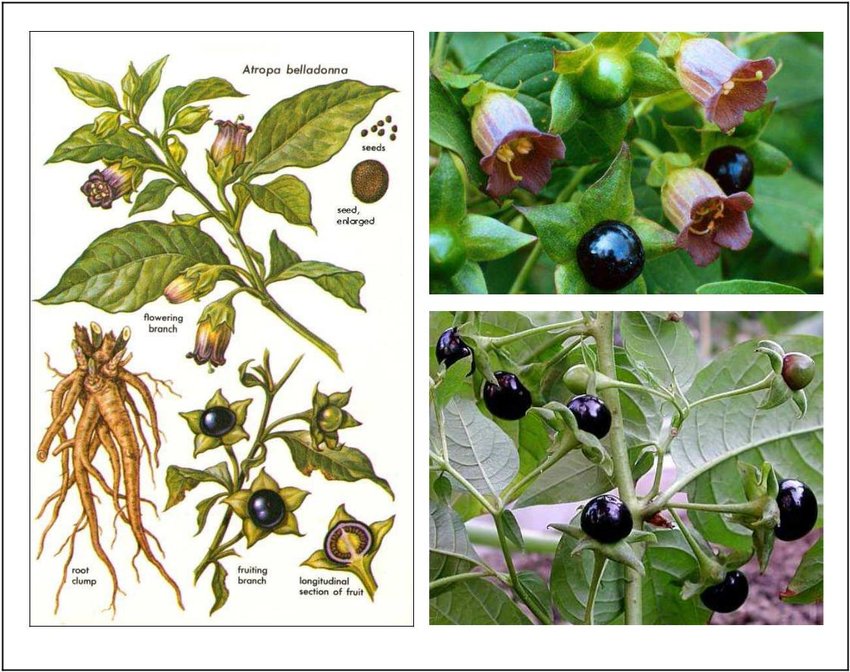
Generalities
– Belladonna acts upon nerve centres producing twitching, convulsions and pain.
– Its action upon the brain causes furious excitement and perversion of special senses.
– Circulation in blood vessels and capillaries becomes active causing congestion, throbbing, and dilatation of arteries.
– Mucous membranes become dry.
– Its effects are sudden and violent.
– Burning Heat, Bright Redness and Dryness are very marked.
– HOT; body, part, discharges etc.
– Redness occurs, in streaks.
– Severe Neuralgic Pain, that comes and goes suddenly.
– Fulness; Congestion esp. to head and SWELLING are other characteristic features.
– PAIN ARE THROBBLING; SHARP; CUTTING; SHOOTING; or clawing; of maddening severity; coming and going in repeated attacks.
– Discharges are hot and scanty.
– Spasms; Shocks; Jerks and Twitchings.
– Constrictions occur in parts of the body like throat, vagina etc. or in whole body.
– Sensitive to LIGHT, NOISE; JARRING.
– Epileptic attacks are followed by nausea and vomiting.
– Convulsions commence in the arm.
– Spasms are followed by prolonged unconsciousness.
– Throws body forwards and backwards; chorea.
– Acts as a prophylactic in scarlet fever.
– Exophthalmic goitre, with extreme thyroid toxaemia.
– Hydrophobia.
– Useful in airsickness.
– Its influence is felt more in intelligent and plethoric persons who are jovial and entertaining when well, but violent when sick, therefore a great children’s remedy.
– Ill effects of hair cutting, head getting wet.
– Sausages.
– Sun.
– Walking in wind or draft.
– Haemorrhages, hot.
– Heat in body; parts are hot, swollen, and dry.
– Right sided symptoms.
Worse
– Heat of Sun; if heated.
– Drafts – on head; haircut; washing head.
– After taking cold.
– Light; noise; jarring.
– Checked Sweat.
– Touch.
– Company.
– Pressure.
– Motion.
– Hanging down affected part.
– Afternoon.
– Lying down.
– Looking at shining objects or running water.
Better
– Light covering.
– Bending backward, semi-erect.
– Rest in bed.
– Standing.
– Leaning head against something.
– Bending or turning the affected part.
Mind
– Acuteness of senses.
– Wildly Delirious.
– Excited ferocious; noisy; cries out.
– Talks fast; VERY RESTLESS.
– Biting, striking; tearing mania.
– Spits on faces of other persons.
– Sees monsters, hideous faces.
– Fear of imaginary things.
– Desire to escape or hide himself.
– Perversity, with tears (children).
– Excitable, easily weeps.
– Quarrelsome.
– Tendency to dance, laugh, sing, whistle.
– Starts in fright at the approach of others.
– Constant moaning.
– Craving for snuff.
– An angel when well and a devil when sick.
– Sits and breaks pins.
– Mental symptoms amel. taking light food.
– Patient lives in his own world.
Head
– THROBBING, HAMMERING HEADACHE agg. temples; agg. motion; amel. letting hair down; laying the hand on head; bending head backwards.
– Feeling in the brain like swashing of water.
– It rises and falls in waves.
– Cold sensation in head at the middle of the forehead.
– Vertigo agg. stooping and rising from stooping.
– Hydrocephalus, with boring and head in the pillows.
– Hairs split, are dry and come out.
– Rolls head.
– Pulls her hair.
– Meningitis.
– Sunstroke.
– Pains go downward from head.
– Head sensitive to drafts and cold, or washing hair.
Eyes
– Pupiles Dilated.
– Eyes, sparkling, prominent, staring.
– Red conjunctiva.
– Fiery, red, vivid hallucinations; even on closing the eyes.
– Attacks of blindness, then yellow vision.
– Sees red flashes before vision.
– PHOTOPHOBIA.
– Diplopia.
– Triplopia.
– Moon light blindness.
– Sensation as if eyes were half closed.
– Eyelids; feel sore, congested and swollen.
– exophthalmos.
– Lachrymation like brine.
– Lines appear crooked when reading.
Ears
– Pain causes delirium; child cries out in sleep.
– Otitis media.
– Autophony – hearing one’s voice in the ear.
– Haematoma.
– Noises in ears.
Nose
– Red; swollen.
– Imaginary odours; odour of tobacco intolerable.
– Bleeding from nose, with flushed face.
Face
– Fiery; Red; turgid and hot; or becomes pale and red alternately.
– Semilateral swelling of the face.
– Spasmodic distortion of mouth (risus sardonicus).
– Convulsive motions of muscles of face.
– Facial neuralgia, with twitching of muscles and flushed face.
– Lower jaw as if drawn backwards.
Mouth
– DRY., HOT., Tongue; red, hot, swollen.
– Edges of tongue red.
– Strawberry tongue.
– Red streak in middle of tongue, wider at tip.
– Grinding of the teeth.
– Tongue hands out of the mouth (children).
– Forepart of the tongue cold and dry.
– Toothache amel. biting.
– Chewing motions of the mouth as though chewing or sucking.
– Stammering speech.
– Lock-jaw.
– Hot breath.
Throat
– Dry and Hot.
– Tonsils enlarged.
– Tonsillitis agg. right side.
– Urging to swallow, with chocking.
– Throat feels constricted.
– Swallowing difficult; Drinks in sips.
– Must take a drink to swallow solid. food.
– When swallowing, bends the head forward and lifts up knees.
– Clutches at, during epilepsy.
Stomach
– Desire for lemonade or lemons (which agree).
– Distaste for meat, acids, coffee,milk, beer.
– Vomits everything, with paleness and weakness.
– Great thirst for cold water.
– Dread of drinking.
– Spasmodic hiccough, with sweat and convulsions.
– Pain in stomach extending to shoulder and throat agg. pressure.
Abdomen
– Distended, hot agg. touch of bedclothes.
– Cutting pain in epigastrium amel. bending backwards.
– Transverse colon distends and protrudes, like a pad, during abdominal colic.
– Cramp and colic, as if a hand has clutched some part.
– Acute pain in liver region, extending to shoulder and neck agg. lying on it.
– Clawing pain around the navel.
– Downward forcing in abdomen as if all the viscera would protrude through genitals.
– Acute prolapsus ani.
– Stools; green, dyysenteric or contain chalky lumps.
– Involuntary stools.
– Piles, with back pain as if breaking.
– Pain in splenic region agg. sneezing, coughing, touch.
Urinary
– Involuntary urination, on lying down; or when standing, or at night; when sleepy, during day.
– Retention of urine; with paralysis of bladder; post partum.
– Fiery red urine;frequent and profuse urination.
– Haematuria without pathological conditions.
– Sensation in bladder as if a worm were turning in, without desire to micturate.
Male
– Testicles; hard, drawn up, inflamed.
– Sweat on genitals.
– Soft painless tumuour on glans.
Female
– Menses; bright, red, with clots, too early, too profuse, hot, gushing, offensive.
– Metritis.
– Rigidity of the os.
– Violent bearing down towards genitals, as if everything would fall out, amel. standing and sitting erect agg. lying down.
– Mastitis: pain throbbing, redness, streaks radiate from the nipples.
– Breast; heavy, hard and red.
– Lochia; diminished, hot offensive.
– Useful in confinement of women who have their children late in life.
– Leucorrhoea, with colic.
– Labour pains come and go suddenly; or ceasing.
Respiratory
– Tickling, short, dry cough agg. night.
– Larynx very painful, feels as if foreign body were in it, with cough.
– Cough agg. fine dust in air.
– Child cries before cough.
– Cough agg. yawninng.
– High piping voice.
– Barking cough or voice.
– Whooping cough, with pain in stomach before attack; with haemoptysis.
– Cheyne-stokes respiration.
– Moaning at every breath.
– Difficult, short quick respiration.
– Asthma in hot damp weather.
Heart
– Throbbing in carotid and temporal arteries.
– Pulse full, hard, tense.
– Violent palpitation, with laboured breathing.
– Bubbling at the region of the heart.
Neck and back
– Stiff neck and shoulder (right).
– Swelling of glands in the nape of the neck.
– Back feels broken.
– Lumbago, with pain in hips and thighs.
Extremities
– Jerks or spasms in limbs.
– Joints, swollen, red, shining; with red streaks radiating.
– Heaviness and paralytic feeling in limbs.
– Cold extremities.
– Involuntary limping.
– Phlegmasia alba dolens.
– Trembling of limbs.
– Weakness and tottering gait.
– Lies or sits with feet crossed, can not uncross them.
Skin
– Bright, Red, glossy.
– Dry and hot.
– Alternate paleness and redness of skin.
– Intense dermatitis.
– Scarlatina.
– Erysipelas.
– Boils, returning every spring.
Sleep
– Sleepy but can not sleep.
– Moans and tosses about in sleep.
– Jerks During Sleep.
– Frightful dreams of quarrels, fire, robbers, assassins.
– Sees frightful visions on closing eyes.
– Sleeps with hands under the head.
– Heavy sleep with hot skin.
Fever
– High fever with comparative absence of toxaemia.
– Internal coldness, with external pungent, burning, steaming heat.
– Hot Head, with cold limbs.
– Skin hot; but moist and dry alternately. No thirst with fever.
Complementary
– Bor; Calc; Hep; Merc; Nat-m.
Related
– Glo; Hyo; Stram.
Source: Phatak Materia medica
Arnica montana Homeopathic medcine
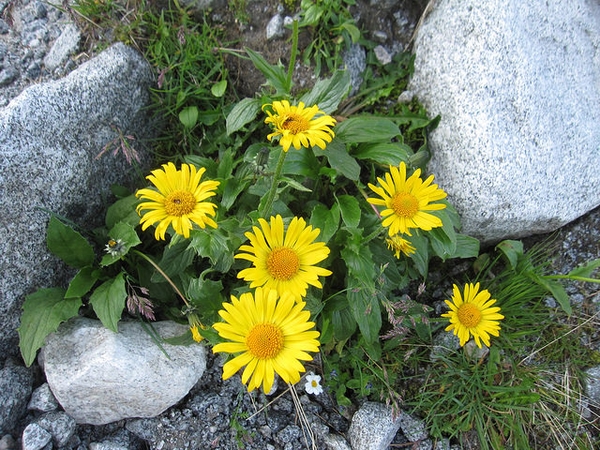
Generalities
– It is a traumatic remedy par excellence.
– Trauma in all its varieties – mental or physical and their effects recent or remote are met with by this remedy.
– It affects BLOOD, causing putrid and septic conditions.
– BLOOD VESSELS are relaxed, causing ecchymosis, blue-black spots; with TENDENCY TO HAEMORRHAGE; epistaxis etc.
– It acts upon nerves causing neuralgia.
– Muscles feel VERY SORE, PAINFUL, BRUISED; all over.
– Parts becomes sore, after the pains, or after bleeding.
– It is a prophylactic for pus formation.
– Burrowing pus.
– Has absorbent action.
– Progressive emaciation.
– Great prostration; tired feeling.
– Discharges are FOUL; breath, taste, flatus, stools etc.
– Crushing pain.
– BED FEELS HARD or full of lumps.
– Involuntary evacuations.
– Abscesses that do not mature.
– Pains are Paralytic; sudden, shifting pains from joint to joint.
– It acts best in plethoric, dark haired persons of rigid muscles, nervous sanguine nature.
– It acts but feebly on persons who are positively debilitated, with impoverished blood and soft flesh.
– Compound fractures.
– Twitching, in tendons, muscles.
– Osteomyelitis.
– Ill effects of fright, financial loss, anger, repentance; excessive use of any organ, vaginitis in females and impotence in males from excessive sexual indulgence.
– Exertion of any kind.
– Mind and uterine symptoms alternate.
– Complaints when over hurried.
– Apoplexy.
– Typhoid, septic fevers.
– Recurring boils.
– Surgical operations.
– Insect stings.
– Splinters.
– Thrombosis.
Worse
– Injuries – falls, blows, Bruises; shock; jarring; after labour; overexertion; sprains.
– Touch.
– After sleep.
– Motion.
– Old age.
– Alcohol.
– Damp cold.
– Coal gas.
– Lying on left side.
Better
– Lying down and lying with head low or outstretched.
Mind
– FEAR; of being struck or touched; or approached; of sickness; of instant death; with cardiac distress at night; of space; on awakening; of crowds, public places.
– Morose.
– Repentant mood.
– Mentally prostrate and apathetic, but physically restless; says nothing ails him.
– When spoken to, answers slowly with effort.
– Feels well in serious cases.
– Forgetful, when he reads, quickly escapes his mind.
– After rage sheds tears and makes exclamations.
– Hopeless; indifferent.
– Violent attacks of anguish-angina pectoris.
– Delirium tremens.
– A sudden fear that rouses one from sleep at night esp. after an accident.
– Great desire to scratch; will scratch, wall, bed, head, etc.
– Coma.
– Muttering delirium.
– Sensation of being good for nothing.
– Easily frightened, unexpected trifles cause him to start.
– Sits as if in thought.
Head
– Brain; feels tried, burning in.
– Vertigo; chronics; of the aged; with nausea, vomiting and diarrhoea; objects whirl agg. walking.
– Vertigo agg. walking, sitting erect, closing eyes.
– Headache as from a nail.
– Head hot with cold body.
– Cold spot on the forehead, hot spots on vertex.
– Meningitis from injury to head.
– Head throws backwards while walking.
Eyes
– Bloodshot.
– Retinal haemorrhage.
– Photophobia.
– Feel tired and heavy, after sight seeing, moving pictures.
– High objects appear to lean forward and about to fall.
– Right eye protrudes, looks larger than left.
Ears
– Hardness of hearing; noises in ears.
– Blood from ears.
– Bruised pain in external ears.
– Hearing impaired from injury to the head.
– Sensitive to shrill noise.
Nose
– Bleeding; after ever fit of coughing; after washing face.
– Violent sneezing from over-lifting.
– Nose; feels sore, cold.
– Post nasal dropping.
– Catarrh of antrum.
– Burning in typhoid fever.
Face
– Ruddy, congested, bluish red; in apoplexy, fevers.
– Sunken, pale.
– Lips; burn, swollen and cracked.
– Lower lip trembles, while eating.
– Lower jaw hangs down, paralysis.
– Painful acne.
– Cheeks puffed; red.
Mouth
– Foetid breath.
– Dry, with much thirst.
– Taste; as from bad eggs, after operation – plugging etc.
– Bright red, puffy fauces.
– Tongue; dry, almost black.
– Swallowing is prevented by sort of nausea as if food would not go down.
Stomach
– Eructations; tasting of bad eggs; after coughing.
– Loss of appetite by day, but canine hunger before midnight.
– Nausea.
– Vomiting of dark, red coagulated blood.
– Feeling as if stomach were passing against the spine.
– Foetid vomiting.
– As of a lump back of stomach.
– Aversion to milk and meat.
– Longing for vinegar.
– Constant desire to drink, but knows not what for, as all drinks are offensive.
Abdomen
– Cramps from epigastrium down over the bowels, then foul stools.
– Sharp pains from side to side.
– Stools; bloody, foamy, purulent, acrid; involuntary; during sleep.
– Dysentery; with dysuria, all summer and autumn.
– Cramps in rectum, while standing.
– Flatus smelling of rotten eggs.
– Must lie down after every stool.
– Prolapsus ani agg. after walking for few minutes only amel. washing the whole body.
Urinary
– Cutting pain in kidneys.
– Retention of urine in bladder, from over exertion, after labour.
– Involuntary dribbling, with constant urging.
– Has to wait a long time for urine to pass.
– The bladder feels full and sore; the pressure of urine hurts him.
Male
– Impotence from excess or abuse.
– Phimosis, from friction.
– Seminal emission during caress.
– Haematocele.
Female
– After-pains agg. suckling.
– Soreness of the parts after labour.
– Feeling as if foetus were lying crosswise.
– Can not bear foetal movements;cause nausea and vomiting.
– Haemorrhage after coition.
– Nipples sore.
– Children lose their breath when angry.
– Mastitis.
– Threatened abortion from falls etc.
– Labour, weak and ceasing.
– Menses; early, hot, profuse.
– Soreness of the whole body during pregnancy.
– Tumours of mammae from injury.
– Puerperal fever.
Respiratory
– Hoarseness; agg. exertion, colds, or getting wet.
– Cough in sleep without waking.
– Cough produced by yawning, weeping or lamenting.
– Child cries before proxysms of whooping cough.
– Cough causes bloodshot eyes or epistaxis.
– Cardiac cough.
– Dyspnoea, with haemoptysis.
– Violent spasmodic cough, with facial herpes.
– Bones and cartilages of chest are painful agg. motion, breathing or coughing.
– Heavy lower chest.
– Stitching pains in chest, taking the breath away; amel. pressure.
– Hoarse voice from over use.
Heart
– Beats shake the whole body.
– Sudden pain as if the heart is squeezed or had got a shock, pain felt in left elbow (angina pectoris).
– Strain of heart from violent running.
– Cardiac dropsy.
– Hypertrophy of heart.
– Fatty heart.
– Heart pains; left to right.
– Pulse feeble and irregular.
– Weakened heart muscles.
– Horror of constant death, with cardiac distress at night.
– Palpitation after any exertion.
Neck and back
– Muscles of neck weak, head falls backwards, or any side.
– Back sore.
– Cervical vertebrae tender.
Extremities
– Limbs ache as if beaten.
– Pain in arms amel. hanging down.
– Want of strength in the hands on grasping.
– Cramps in the fingers – writer’s cramp.
– Veins of hands distended.
– Can not walk erect on account of bruised pain in pelvic region.
– Hygroma patellae.
– Gout.
– Knee joints suddenly bend when standing.
– Feet numb.
Skin
– Dusky, mottled.
– Every little hurt makes a black and blue spot.
– Very sore acne or crops of small boils.
– Symmetrical eruptions.
– Petechiae.
– Erysipelas.
– Bed sores.
– Tingling and itching which moves from place to place; after scratching, itching begins somewhere else.
– Carbuncle; of thigh.
Sleep
– Comatose drowsiness; drops to sleep as he answers.
– Dreams; of death, mutilated bodies, anxious and terrible, awakes in terror, then sleepless.
– Severe fatigue causes restlessness and sleeplessness.
Fever
– Chilly with heat and redness of one cheek.
– Head or face alone hot, body cold.
– Coldness of part lain on.
– Thirst during chill.
– Must uncover but it chills him.
– Intermittent, typhoid, septic, traumatic fevers.
Complementary
– Aco; Calc; Nat-s; Psor; Rhus-t; Sul-ac.
Related
– Bels; Echi; Hyper; Rhus-t.
Source: Phatak Materia medica
Natrium muriaticum Homeopathic Medicine
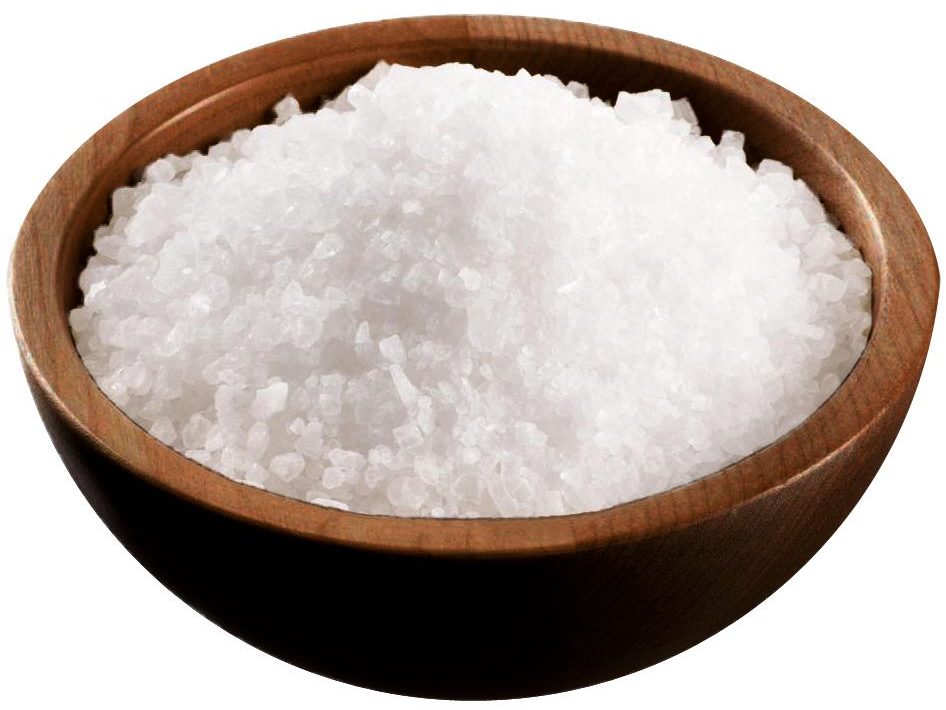
Generalities
– Common salt, profoundly affects the nutrition.
– Its excessive intake produces symptoms of salt retention, such as dropsies and oedema: but it also affects the blood causing anaemia and leucocytosis.
– Mind, Heart, liver and spleen come under its influence.
– The patient is thin, thirsty, poorly nourished on account of digestive disturbances, and his Mental Behaviour and physical symptoms are hopeless or awkward in nature.
– Emaciation; descending, of neck or abdomen.
– Mucous Membranes and skin may be Dry or may produce thick, white or clear, watery, acrid discharges.
– Dryness of mouth, throat, rectum, vagina etc.
– Numbness of one side; parts lain on; with paralysis; fingers, parts seem too short.
– Easy exhaustion.
– Contraction of muscles, tendons.
– Neuralgic pains with tears.
– Trembling.
– Prostration.
– Hysterical debility.
– Emaciation even while living well.
– Great weakness and weariness.
– Tendency to take cold.
– Coldness.
– Children talk late; cross, irritable, cry from slightest cause.
– Cachexia; malarial.
– Oversensitive to all sorts of influences.
– Goitre; hyperthyroidism.
– Addison’s disease.
– Diabetes.
– Twitching in muscles.
– Frequent starts in upper part of the body.
– Chorea; jumping; after fright.
– Ill effects of disappointment; fright, grief, fit of passion; loss of fluids, masturbation; injury to head; silver salts; salt.
– Young girls become love lorn and fall in love with married men.
– Paralysis; from emotions, sexual excess.
– Likes to be covered but does not amel..
– Trembling of the whole body from smoking tobacco.
Worse
– Exact periodicity.
– 9 to 11 a.m. ; with the sun.
– Alternate days.
– After menses.
– Heat; of sun, summer; dampness.
– Exertion – of eyes, mental, talking, reading, writing.
– Violent emotions.
– Sympathy.
– Puberty.
– Quinine.
– Bread, fat, acid food.
– Coition.
– Sea shore.
– Chronic sprains.
– Noise; music.
– Touch.
– Pressure.
– Full moon.
Better
– Open air.
– Cool bathing.
– Sweating.
– Rest.
– Going without regular meals.
– Tight clothing.
– Deep breathing.
– Before breakfast.
– Rubbing.
– Lying on right side.
– Talking long.
Mind
– Hateful; to persons who had offended him.
– Detests consolation or fuss.
– Sad : during menses; without cause.
– Reserved.
– Easily angered agg. if consoled.
– Company distresses.
– Hypochondriac.
– Weeps bitterly; or wants to be alone to cry.
– Weeps involuntarily, without cause or can not weep.
– Cheerful, laughs, signs, dances, alternating with sadness.
– Boisterous grief.
– Dwells on past unpleasant memories.
– Anxiety.
– Apprehension.
– Fear or dreams of robbers.
– Awkward; in talking; hasty; drops things from nervous weakness.
– Absent-minded.
– Scattered thoughts.
– Revengeful.
– Thinks he is pitied for his misfortunes and weeps.
– Immoderate laughter with tears.
– Abrupt.
– An idea clings, preventing sleep, inspires revenge.
– Alternating mental conditions.
– Extremely foregetful.
– Aversion of men (females).
Head
– Vertigo; as if falling; agg. standing near a window, on closing eyes; amel. lying, with head high.
– HEADACHES; bursting; on coughing; maddening; hammering; heavy; over eyes; on vertex, with partial numbness or disturbed vision; agg. on awakening; from sunrise to sunset; during, before or after menses; motion; even of eyes; frowning, reading; amel. sleep; pressure on eyes, lying with head high, sitting still.
– Nodding motions of the head.
– Headaches of school children.
– Migraine.
– Falling hair.
– Injured part tender to touch.
Eyes
– Painful, on looking down.
– Letters run together while reading.
– Stricture of lachrymal duct, escape of mucous when pressing on the sac.
– Lachrymation; with redness; burning; acrid; from affected side, from sneezing; coughing; laughing etc.
– Eyes feel drawn together.
– Itch and burn, must wipe them.
– Ptosis on lying down.
– Vision blurred, wavering.
– Hemiopia then headache.
– Eye lids close with headache; spasmodically.
– Can not read by artificial light.
– Sparks, black spots, fiery zigzag before eyes.
– Incipient cataract.
– Protruding eyes; due to goitre.
– Retinal images are retained too long.
– Eyes give out in reading and writing.
Ears
– Noises, buzzing, humming, ringing.
– Painful cracking in the ear when masticating.
– Itching behind ears.
Nose
– Violent fluent coryza; lasts one to three days then stoppage of nose high up, making breating difficult.
– Sneezing early in the morning.
– Alternate fluent and dry coryza; cold commences, with sneezing, gushing of fluid.
– Little ulcers in nose.
– One side numb.
– Loss of smell and taste.
– Nose bleed; on stooping or when coughing, at night.
Face
– Pale, muddy, or shiny as if greased.
– HERPES; about the lips or at the edge of hair; pearly.
– Crack in the middle of the lower lip.
– Lips tingle, feel numb.
– Throbbing in lower jaw agg. biting; heat and cold.
– There is down on the face in hysteria but passes away as the patient improves.
– Upper lip swollen.
– Prosoplagia.
– Falling of whiskers and beard.
Mouth
– Tongue; Mapped; beaded or striped along edges.
– Aphthae.
– Loss of taste and smell.
– Numbness and stiffness of one side of tongue.
– Tingling of the tongue.
– Tongue, heavy; difficult speech.
– Children learn to talk slowly.
– Fistula dentalis.
– Epulis or small tumour on the gums.
– Sensation of a hair on the tongue.
– Tongue feels dry but is not dry.
– Vesicles and ulcers in mouth and on tongue, smart and burn when touched by food.
– Teeth sensitive to air or touch; pain agg. on chewing.
– Toothache with tears or salivation.
Throat
– Hawks much mucus, bitter, salty.
– Uvula hangs to one side.
– A dry, sore spot in the throat, tickles and causes cough etc.
– Food goes down the wrong way; post diphtheritic paralysis.
– Only fluids can be swallowed.
– Solids reach a certain point and then are violently ejected.
– Throat glistens.
– Exophthalmic goitre.
– Sore throat; with sensation as if she has to swallow over a lump.
– As if a plug in throat.
– Tobacco smoker’s throat.
Stomach
– Desire; For Salt, bitter things; for sour things, farinaceous food, oysters, fish, milk.
– Thirsty, drinks large quantity of water.
– Great hunger yet emacities; with depressed mind.
– Averse to bread, meat, coffee, tabacoo.
– Hunger without relish.
– Hiccough.
– Burning eructations, after eating.
– Sweet risings from stomach during menses.
– Anxiety in stomach rises into head.
– Sweats while eating; on face.
– White slimy mucus is vomited with relief.
– Heart burn with palpitation.
– Feels better on an empty stomach.
Abdomen
– Epigastric pulsation.
– Epigastrium swollen and painful.
– Sudden distension.
– Tense abdomen agg. groins.
– Pain in abdominal ring on coughing.
– Rigidity of the left side.
– Colic with nausea amel. flatus.
– Stools; dry, hard, crumbling; tears the anus or cause burning.
– Stools, coated with glassy mucus.
– Constipation on alternate days, from inactivity.
– Painless watery diarrhoea; chronic; morning, on moving about; from abuse of opium.
– Constriction of rectum.
– Herpes about anus.
– Abdominal viscera loose and dragging as if when walking.
– Red spots on epigastrium.
– Herpes ani.
Urinary
– Involuntary urination; on coughing; laughing; sneezing, walking, sitting.
– Polyuria, thirst for large quantities of water.
– Has to wait long for urine to pass in the presence of others.
– Urine clear with red sediment.
– Must wait before the urine will start.
– Pain just after urination.
Male
– Backache and weak legs; with depression after coition.
– Pollution shortly after coition.
– Sexual desire, with physical weakness.
– Suppressed gonorrhoea.
– Weakness, even paralysis, after sexual excess.
– Loss of hair from pubes.
Female
– Aversion to coition; which is painful from dryness of vagina.
– Burning smarting in vagina during coition.
– Delayed first menses.
– Dymenorrhoea with convulsions.
– Sterility; with too early too profuse menses.
– Debilitating leucorrhoea; white thick, instead of menses.
– Prolapse of ulcers with aching in lumbar region or with cutting urethra; agg. in the morning, amel. lying on back.
– Hot during menses.
– Mammary glands emaciate.
– White leucorrhoea turns green gradually.
– Loss of hair in children or during lactation.
– Stitches beneath nipples.
Respiratory
– Cough from tickling in the pit of stomach; with asthma or palpitation; agg. winter.
– Respiratory catarrh after suppressed sweats.
– Sticking in live while coughing.
– Dyspnoea on ascending.
– Whooping cough; with lachrymation.
– Breath; hot, offensive.
– Exertion of arms amel. breathing.
Heart
– Palpitation, shaking body or alternating with beating in head.
– Fluttering of the heart, with a weak, faint feeling agg. lying down.
– Palpitation; anxious, agg. exertion; emotion; lying on left side.
– Pulse; full and slow or weak and rapid; intermittent every third beat; agg. lying down.
– Coldness, soreness at the heart.
Neck and back
– Painful stiffness of neck.
– Bruised backache, early in a.m. ; agg. coughing; after coition; amel. lying on back, on something hard; or pressure.
– Can stoop readily, but hurts to straighten.
– Buttocks emaciated in infants.
Extremities
– Trembling of the hands when writing.
– Cracked finger tips.
– Hangnails.
– Palms hot and sweaty.
– Hamstrings; seem short, painful, drawing in.
– Numbness and tingling in fingers and lower extremities.
– Catch in knee.
– House maid’s knee.
– Cracking in joints on motion.
– Ankles weak and turn easily.
– Legs cold.
– Conculsive jerking of the limbs on falling asleep.
– Scurfs, scales in axilla.
– Bending the joints of fingers, difficult.
– Children do not learn to walk.
– Soreness of toes or between toes.
Skin
– Oily, dry, harsh, unhealthy or yellow.
– Chaps of herpetic eruptions agg. flexures, or about knuckles.
– Dry eruptions on margins of hair.
– Warts of palms and hands.
– Hives, whitish, agg. exertion.
– Corns.
– Scars; painful.
– Redness of old scars.
Sleep
– Sobs durinng sleep.
– Awakes feeling weak.
– Dreams of robbers.
– Somnabulism; rises and sits about room.
– Starts and talks in sleep.
Fever
– Coldness of many parts, hands, feet, heart.
– Morning chill with thirst.
– Chilly but agg. in sun.
– Sweat, scany, at edge of hair, on nose, on face while eating.
Complementary
– Ign; Sep.
Related
Source: Phatak Materia Medica
Ignatia Amara Homeopathic Medicine
Generalities
– The seeds of Ignatia contain a large proportion of strychnine than those of Nux-vomica, yet there is a great difference between the characteristic features of the two drugs.
– Though it affects the MIND, EMOTIONAL element is profoundly influenced and co-ordination of functions is interfered with; causing ERRATIC; contradictory; parodoxical mental and physical EFFECTS; which change rapidly, and are opposite to each other.
– NERVOUS SYSTEM is affected causing SPASMODIC EFFECTS; often violent with rigidity, twitching and tremors.
– It is adapted to the persons of nervous temperament esp. women of sensitive, easily excited nature,mild disposition, quick to perceive and rapid in execution.
– SENSE OF LUMP, foreign body or sharp pressure.
– Jerks run through the whole body.
– Tendency to start.
– Globus.
– Clavus.
– Hysteria.
– Chorea; after fright, from grief agg. after eating, amel. lying on back.
– Convulsions of children; during dentition; after punishment; after fear or fright; return at the same hour daily.
– Spasms, with cries or involuntary laughter.
– Tonic spasms of single parts, with frothing at the mouth.
– Spasms alternating with oppressed breathing.
– Pain in spot agg. close attention amel.
– Oversensitive to pain.
– Pains change their locality, come gradually, abate suddenly, or come and go suddenly.
– Symptoms pass after profuse urination.
– Plague; preventive and curative.
– Nervous shuddering; with pain.
– Paralysis; after great mental emotions and night watching, in sick chamber.
– Suitable to persons who had been starving either from want or other causes.
– Ill effects of grief, fright, worry, disappointed love; jealousy; old spinal injuries.
– Catalepsy with opisthotonous. (Nat-mur. should follow in chronic conditions.)
Worse
– EMOTIONS.
– GRIEF.
– Chagrin.
– WORRY.
– Fright; shock, after losing persons or objects that were very dear.
– Air; open, cold.
– Odours.
– Touch.
– Coffee.
– Tobacco.
– Yawning.
– Stooping,walking; standing.
– At the same hour and day.
Better
– Change of position.
– Lying on affected part.
– Urination.
– If alone.
– Pressure.
– Deep breathing.
– Swallowing.
– Eating
– Near a warm stove.
– Sour things.
Mind
– ALERT; OVERSENSITIVE AND NERVOUS.
– Highly emotional.
– Moody.
– Brooding GRIEF.
– Silent and sad.
– SIGHS.
– Weeps or laughs by turns, laughs when she ought to be serious.
– Changeable moods.
– Unhappy love.
– Inward weeping; enjoys being sad.
– Angry with himself.
– Desire to be alone.
– Everything irks her.
– Intolerant of contradiction; of reprimands.
– Anguish; shrieks for help.
– Capricious.
– Delicately conscientious.
– Fear; of thieves; of trifles, of things coming near him Introspective.
– Faint easily, girls who faint every time they go to church; or who fall in love with married men.
– Sensation as if she had been fasting for a long time.
– Hurried during menses; no one can do things fast enough for her.
– Looks about the bed as if to find something.
– Delights to bring on her fits and produce a scare or a scene.
– Thinks she had neglected her duty.
– Sighing and sobbing.
– Not communicative.
– Fear or robbers at night.
Head
– Ache as if a nail were driven out through the sides; end in yawning and vomiting; alternate with backache.
– Headache agg. or amel. by stooping.
– Throws head backwards; from weight at occiput; or during spasms.
– Vertigo, with sparks before the eyes.
– Loud talking agg. headache.
– Headache; from abuse of snuff, tobacco smoke, coffee, from close attention.
Eyes
– Asthenopia; with spasms of the lids, and neuralgic pains around the eyes.
– Flashes of light, from violent coughing.
– Eyelids seem dry.
– Flickering, zigzags before the eyes.
Ears
– Roaring amel. by music.
– One ear red and hot.
– Deafness, except for human voice.
Nose
– Sensitive to inspired air.
– Pain over the root of the nose.
– Sneezing attacks.
– Cold, with hot knees.
Face
– Twitching of the muscles of face and lips.
– Redness and heat of one cheek; red and pale alternately.
– Masseters stiff and hard.
– Emotional trismus.
– Change colour often when at rest.
– Facial muscles distort on attempting to speak.
Mouth
– Spasmodic closing of the jaws; bites inside cheek or tongue when talking or chewing.
– Corners twitch.
– Taste sour.
– Toothache agg. after drinking coffee and smoking.
– Sudden attacks of salivation.
Throat
– Inflammed, hard swollen tonsils, with small ulcers on them.
– Follicular tonsillitis.
– Feeling as of a lump, when not swallowing or that can not be swallowed;amel. eating solids.
– Tendency to choke – Globus hystericus.
– Stitches extend to ear; between acts of swallowing.
– Submaxillary glands painful when moving the neck.
– Cramps in gullet.
– Goitre.
Stomach
– Hunger, with nausea.
– Craves raw or indigestible things; sour things, bread esp. rye bread.
– Appetite for various things, but when offered appetite fails.
– Aversion to warm food, meat, alcohol, tobacco.
– Empty sinking or spasmodic ache in stomach not amel. by eating; amel. by taking and deep breath.
– Hiccough; with eructations empty or bitter; after eating, drinking, smoking.
– Nausea or vomiting amel. indigestible things.
Abdomen
– Colicky griping pain in one or both sides of the abdomen.
– Stools – painful, difficult although soft.
– Constrictive sore pain in the rectum, like from blind haemorrhoids, remains one or two hours after stools.
– Obstipation of neurasthenics.
– Pain shoots up in rectum.
– Piles amel. sitting; agg. coughing.
– Prolapsus of rectum; from moderate straining at stools.
– Pressure as of a sharp instrument from within outwards.
– Painless contractions of anus.
– Haemorrhage and pain agg. when stool is loose.
– Constipation; from taking cold; from riding in a carriage; urging to stool with erection.
Urinary
– Frequent, profuse, watery urine.
– Urging to urinate, with inability to pass urine.
Male
– Erection during stool.
– Sweat on scrotum.
– Penis; contracted, becomes small.
Female
– Menses; irregular; black, too early, too profuse, or scanty; suppressed from grief.
– Chronic leucorrhoea, with sexual desire.
– Sexual frigidity.
Heart
– Palpitation, during menses.
– Anxious feeling in the region.
Respiratory
– TAKES DEEP BREATH; for relief.
– Choking; spasms of glottis.
– Dry, hacking spasmodic cough in quick successive shocks; shutting of the breath; cough; as from dust or sulphur fumes.
– Coughing increases the desire to cough.
– Cough, everytime he stands still during a walk.
– Constriction of the chest, feels as if too small.
– Whispering voice, can not speak loudly.
– Sleepy after coughing.
– Stitches in nipples on deep inspiration.
Neck and back
– Stiffness of the nape of the neck.
– Convulsive bending backwards of the back.
Extremities
– Jerking in limbs.
– Warm sweat on the palms.
– Cramps in calves.
– Heavy feet.
– Dislocative pain in joints.
– Knees are involuntarily drawn upwards, when walking.
– Trembling of hands when writing in anyone’s presence.
– Burning in heels on placing them near one another, when they come in contact they are cold to touch; agg. at night.
– Sciatica agg. in winter; amel. in summer.
– Corns painful as if sore.
– Knees hot with cold nose.
– As if flesh was loose on bones from a blow.
Skin
– Painful amel. pressure.
– Nettle rash over the whole body with violent itching (during fever).
Sleep
– Violent spasmodic yawning, with running from eyes.
– Sleep light; every sound wakes.
– Jerking of limbs on going to sleep.
– Somnambulism from wounded honour.
– Dreams; same horrid dreams over the over again.
– Child awakes from sleep with piercing cries and trembles all over.
– Hiccough, chewing motions of mouth in sleep. (children).
Fever
– Chill with red face.
– Shaking chill with thirst.
– Sweat agg. on eating; often on a small spot on the face.
– Heat, with aversion to uncover but no thirst.
– Chill, during pains.
– Feeling as if sweat would break out, but does not.
Complementary
– Aur; Nat-m; Pho-ac; Sep.
Related
– Cimi; Nux-v; Sep.
Source: Phatak Materia Medica
Concept of healthy diet

Introduction
A healthy diet is essential for maintaining good health and wellbeing. It provides the necessary nutrients that the body needs to function properly, reduces the risk of chronic diseases, and helps maintain a healthy weight. In this article, we will explore the concept of a healthy diet, including the key components and guidelines for creating a nutritious and balanced diet.
What is a Healthy Diet?
A healthy diet is one that includes a variety of nutrient-dense foods from all food groups. These foods provide essential nutrients such as vitamins, minerals, and fiber, while limiting the intake of unhealthy fats, added sugars, and sodium. A healthy diet emphasizes whole, minimally processed foods that are high in nutrients and low in calories.
Key Components of a Healthy Diet
A healthy diet includes a variety of nutrient-dense foods from all food groups, including:
- Fruits and Vegetables
Fruits and vegetables are an important source of vitamins, minerals, and fiber. They are also low in calories and high in water content, which makes them filling and aids in weight management. Aim to eat a variety of colors to ensure you are getting a range of nutrients.
- Whole Grains
Whole grains are an important source of fiber, vitamins, and minerals. Examples of whole grains include brown rice, quinoa, and whole wheat bread. Choose whole grains over refined grains, which have been stripped of their fiber and nutrients.
- Lean Protein
Protein is important for building and repairing tissues in the body. Choose lean sources of protein, such as fish, chicken, beans, and tofu, and limit red and processed meats.
- Healthy Fats
Healthy fats, such as those found in nuts, seeds, avocado, and olive oil, are important for brain function and maintaining healthy skin and hair. Limit unhealthy fats, such as those found in fried foods and processed snacks.
Guidelines for Creating a Healthy Diet
There are several guidelines for creating a healthy diet, including:
- Eat a Variety of Nutrient-Dense Foods
Eating a variety of nutrient-dense foods from all food groups helps ensure that you are getting all of the necessary nutrients that your body needs.
- Limit Added Sugars and Sodium
Added sugars and sodium can contribute to chronic health conditions such as heart disease and diabetes. Limiting the intake of these ingredients can improve overall health.
- Watch Portion Sizes
Portion sizes have increased significantly in recent years, which can contribute to overeating and weight gain. Paying attention to portion sizes can help manage weight and prevent overconsumption of calories.
- Stay Hydrated
Drinking plenty of water is important for maintaining good health and well-being. It helps flush out toxins, aids in digestion and keeps skin looking healthy.
Benefits of a Healthy Diet
A healthy diet has numerous benefits, including:
- Reduced Risk of Chronic Diseases
Eating a healthy diet can reduce the risk of chronic diseases such as heart disease, diabetes, and cancer.
- Weight Management
A healthy diet can help manage weight by providing the necessary nutrients while limiting the intake of unhealthy fats and added sugars.
- Improved Mood
Eating a healthy diet can improve mood and reduce the risk of depression.
- Increased Energy
A healthy diet can increase energy levels by providing the necessary nutrients for the body to function properly.
Conclusion
A healthy diet is essential for maintaining good health and wellbeing. It includes a variety of nutrient-dense foods from all food groups, while limiting the intake of unhealthy fats, added sugars, and sodium. By following the guidelines for creating a healthy diet and emphasizing whole, minimally processed foods, individuals can reduce the risk of chronic diseases, manage weight, improve mood, and increase energy levels.
Obesity: causes and side effects
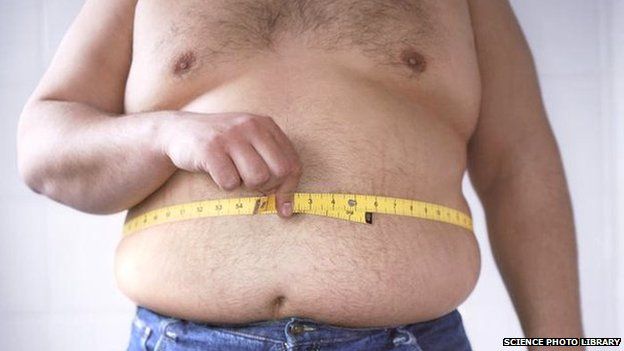
Obesity is a condition that occurs when a person has an excessive amount of body fat. It is a serious and complex health issue that affects millions of people worldwide. The World Health Organization (WHO) defines obesity as a body mass index (BMI) of 30 or higher.
Obesity is caused by a variety of factors including genetics, lifestyle, and environmental factors. In this article, we will discuss the causes of obesity and the potential side effects that it can have on a person’s health.
Causes of Obesity:
- Genetics: Genetics play a significant role in the development of obesity. Studies have shown that children of obese parents are more likely to be obese themselves. This suggests that genetics play a significant role in the development of obesity.
- Lifestyle: Lifestyle factors such as a lack of physical activity, unhealthy eating habits, and sedentary behavior can contribute to the development of obesity. Consuming foods that are high in fat and sugar can increase a person’s risk of becoming obese.
- Environmental factors: Environmental factors such as access to unhealthy food options, food marketing, and a lack of safe places to exercise can contribute to the development of obesity. Additionally, socio-economic factors such as poverty can also contribute to obesity.
Side Effects of Obesity:
- Diabetes: Obesity is a significant risk factor for developing type 2 diabetes. This is because excess body fat can make it difficult for the body to use insulin properly.
- Heart Disease: Obesity increases a person’s risk of developing heart disease. This is because excess body fat can lead to an increase in blood pressure and cholesterol levels, both of which are risk factors for heart disease.
- Stroke: Obesity is also a risk factor for stroke. This is because excess body fat can lead to a buildup of plaque in the arteries, which can lead to a stroke.
- Joint Problems: Obesity can lead to joint problems such as osteoarthritis. This is because excess body fat can put additional pressure on the joints, leading to wear and tear over time.
- Sleep Apnea: Obesity is a significant risk factor for developing sleep apnea. This is because excess body fat can lead to a narrowing of the airways, which can cause breathing difficulties during sleep.
- Mental Health Issues: Obesity can also have a negative impact on a person’s mental health. Studies have shown that obesity is associated with an increased risk of depression and anxiety.
In conclusion, obesity is a serious health issue that can have a significant impact on a person’s health and well-being. It is caused by a combination of genetics, lifestyle factors, and environmental factors. The potential side effects of obesity are numerous and can include diabetes, heart disease, stroke, joint problems, sleep apnea, and mental health issues. If you are concerned about your weight, it is important to speak with your healthcare provider to discuss your options for weight management and to develop a plan to maintain a healthy weight.
Homeopathic treatment for obesity
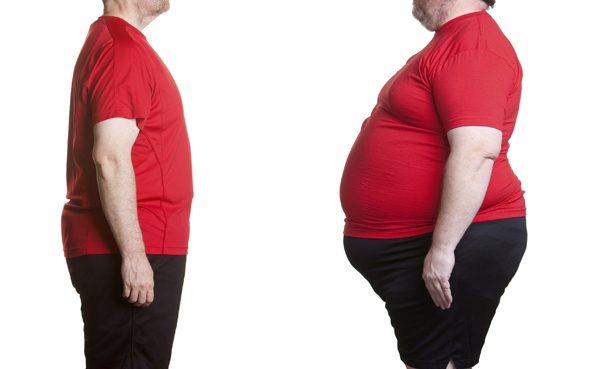
Homeopathy is a form of alternative medicine that uses highly diluted natural substances to stimulate the body’s natural healing abilities. While the effectiveness of homeopathy in treating obesity is still a topic of debate, many people turn to homeopathic remedies to aid in their weight loss journey. In this article, we will discuss the use of homeopathic treatment for obesity.
What is Homeopathy?
Homeopathy is a form of medicine that was developed in the late 18th century by German physician Samuel Hahnemann. It is based on the principle of “like cures like,” which means that a substance that causes symptoms in a healthy person can be used to treat those same symptoms in a sick person. Homeopathic remedies are highly diluted, making them safe for use without the risk of side effects.
Homeopathic Treatment for Obesity:
Homeopathic remedies are often used as part of a holistic approach to weight loss. They are not a magic solution for obesity, but rather a supportive tool that can aid in the process of weight loss. Homeopathic remedies are typically prescribed based on the individual’s specific symptoms and overall health.
Some common homeopathic remedies for weight loss include:
- Calcarea Carbonica – This remedy is often prescribed for people who have a tendency to gain weight easily and have a slow metabolism. It is also commonly used for people who have a craving for sweets and dairy products.
- Natrum Mur – This remedy is often prescribed for people who have a tendency to retain fluids and are prone to emotional eating. It is also commonly used for people who have a craving for salty foods.
- Lycopodium – This remedy is often prescribed for people who have a slow metabolism, especially in the morning. It is also commonly used for people who have a craving for sweets and have digestive issues.
- Nux Vomica – This remedy is often prescribed for people who have a tendency to overeat and have digestive issues. It is also commonly used for people who have a craving for spicy and fatty foods.
- Phytolacca – This remedy is often prescribed for people who have a tendency to gain weight in the abdomen and hips. It is also commonly used for people who have a craving for salty and spicy foods.
It is important to note that homeopathic remedies should be used as part of a comprehensive weight loss plan that includes a healthy diet and exercise. Homeopathy alone cannot lead to significant weight loss, but it can aid in the process and help to address underlying health issues that may be contributing to weight gain.
Side effects of self-medication
Self-medication is the practice of treating oneself with over-the-counter (OTC) medications, prescription drugs, or home remedies without consulting a healthcare professional. While self-medication can be convenient and cost-effective, it also carries significant risks and potential side effects. In this article, we will discuss the potential side effects of self-medication.
- Adverse Drug Reactions:
One of the most significant risks of self-medication is the potential for adverse drug reactions (ADR). ADRs occur when a drug interacts negatively with the body, leading to a range of side effects. ADRs can range from mild, such as nausea or dizziness, to severe, such as anaphylactic shock. Some common examples of ADRs associated with self-medication include allergic reactions, gastrointestinal disturbances, and skin rashes.
- Masking of Symptoms:
Another potential side effect of self-medication is the masking of symptoms. Many OTC medications only treat the symptoms of a condition and do not address the underlying cause. If a person self-medicates and only treats the symptoms, they may miss a more serious underlying condition. For example, a person with a persistent cough may take cough medicine to relieve the symptom without realizing that the cough is a symptom of a more severe respiratory infection.
- Delay in Seeking Medical Attention:
Self-medication can also lead to a delay in seeking medical attention. If a person self-medicates and does not see a healthcare professional when they should, they risk missing a diagnosis or delaying the treatment of a severe condition. For example, a person with a persistent headache may take pain medication to relieve the symptom without realizing that the headache is a symptom of a more severe condition such as a brain tumor.
- Drug Interactions:
Self-medication can also lead to drug interactions. If a person takes multiple medications, OTC or prescription, without consulting a healthcare professional, they risk drug interactions that can lead to severe side effects. Drug interactions can cause a range of symptoms, including dizziness, confusion, and even coma or death.
- Addiction:
Self-medication can also lead to addiction. Some OTC medications and prescription drugs can be addictive if misused or taken without medical supervision. Addiction can lead to a range of health and social problems, including overdose, withdrawal symptoms, and financial difficulties.
Conclusion:
Self-medication can be convenient and cost-effective, but it also carries significant risks and potential side effects. Adverse drug reactions, masking of symptoms, delay in seeking medical attention, drug interactions, and addiction are some of the potential side effects of self-medication. It is essential to consult a healthcare professional before taking any medication, whether OTC or prescription, to ensure that it is safe and effective for the individual. Healthcare professionals can also provide guidance on dosage, possible side effects, and potential interactions with other medications.
How to control self-medication?
Self-medication can be tempting for those who wish to avoid the hassle and expense of a visit to a healthcare professional. However, it is important to remember that self-medication can carry significant risks, including adverse drug reactions, masking of symptoms, delay in seeking medical attention, drug interactions, and addiction. In this article, we will discuss some strategies for controlling self-medication.
- Educate Yourself:
One of the most effective ways to control self-medication is to educate yourself about the risks and benefits of different medications. You can find reliable information about medications from reputable sources, such as the FDA or the National Institutes of Health. Make sure to read the label and instructions carefully before taking any medication, and never exceed the recommended dose.
- Consult a Healthcare Professional:
If you are experiencing symptoms, it is important to consult a healthcare professional before taking any medication. A healthcare professional can help diagnose your condition and provide guidance on the most appropriate treatment. If you have questions about a medication or its side effects, be sure to ask your healthcare professional.
- Follow the Treatment Plan:
If a healthcare professional prescribes medication, it is important to follow the treatment plan precisely. Do not stop taking medication without consulting a healthcare professional, even if you feel better. Stopping medication prematurely can lead to a relapse of symptoms and potentially harmful drug interactions.
- Dispose of Medications Properly:
If you have leftover medication, it is important to dispose of it properly. Do not share medication with others, as it can be dangerous and lead to adverse drug reactions. Instead, dispose of medication at a pharmacy or through a drug take-back program.
- Avoid Self-Diagnosis:
It can be tempting to try to diagnose your symptoms using online resources or asking friends and family for advice. However, self-diagnosis can be dangerous and lead to incorrect treatment. Always consult a healthcare professional for an accurate diagnosis and treatment plan.
- Avoid Unproven Remedies:
There are many unproven remedies and alternative therapies on the market that claim to cure a range of conditions. It is important to be cautious when considering these remedies, as they may not be safe or effective. Always consult a healthcare professional before trying an unproven remedy.
Conclusion:
Self-medication can carry significant risks and potential side effects. Educating yourself, consulting a healthcare professional, following the treatment plan, disposing of medication properly, avoiding self-diagnosis, and avoiding unproven remedies are all strategies for controlling self-medication. By taking these steps, you can ensure that you are receiving safe and effective treatment for your symptoms.
Diseases of the modern era and how to control them?

The modern era has brought significant advancements in technology, medicine, and other areas. However, it has also brought a host of new health challenges, which are often referred to as diseases of the modern era. These diseases are typically characterized by chronic conditions that can have a significant impact on a person’s quality of life. In this article, we will discuss some of the most common diseases of the modern era and how to control them.
- Obesity:
Obesity is a condition characterized by excessive body fat, which can have a significant impact on a person’s health. It is a major risk factor for a variety of health conditions, including type 2 diabetes, heart disease, and certain types of cancer. To control obesity, it is important to maintain a healthy diet, engage in regular physical activity, and maintain a healthy weight.
- Diabetes:
Diabetes is a chronic condition that occurs when the body cannot produce or use insulin effectively, leading to high blood sugar levels. There are two main types of diabetes: type 1 and type 2. Type 2 diabetes is the most common form and is typically associated with obesity and a sedentary lifestyle. To control diabetes, it is important to maintain a healthy diet, engage in regular physical activity, and monitor blood sugar levels.
- Cardiovascular Disease:
Cardiovascular disease is a term that refers to a range of conditions that affect the heart and blood vessels. These conditions include high blood pressure, coronary artery disease, and stroke. To control cardiovascular disease, it is important to maintain a healthy diet, engage in regular physical activity, and manage risk factors such as high blood pressure and high cholesterol.
- Mental Health Disorders:
Mental health disorders, such as depression and anxiety, are becoming increasingly common in the modern era. These conditions can have a significant impact on a person’s quality of life and can also increase the risk of other health problems. To control mental health disorders, it is important to seek professional help, engage in regular exercise, and practice stress-reducing techniques such as meditation and mindfulness.
- Cancer:
Cancer is a condition characterized by the growth and spread of abnormal cells in the body. It is a leading cause of death worldwide, and the incidence of cancer is increasing in the modern era. To control cancer, it is important to engage in healthy behaviors such as not smoking, maintaining a healthy weight, and limiting alcohol consumption. Regular cancer screenings can also help detect cancer early when it is most treatable.
Conclusion:
The diseases of the modern era are a significant health challenge that requires a comprehensive approach to control. Maintaining a healthy diet, engaging in regular physical activity, managing risk factors such as high blood pressure and high cholesterol, seeking professional help for mental health disorders, and practicing healthy behaviors such as not smoking and limiting alcohol consumption are all important steps to control these diseases. By taking these steps, we can reduce the burden of these diseases and improve our overall health and well-being.
Homeopathy is the second-largest and fastest-growing medicine in the world.
(World Health Organization)
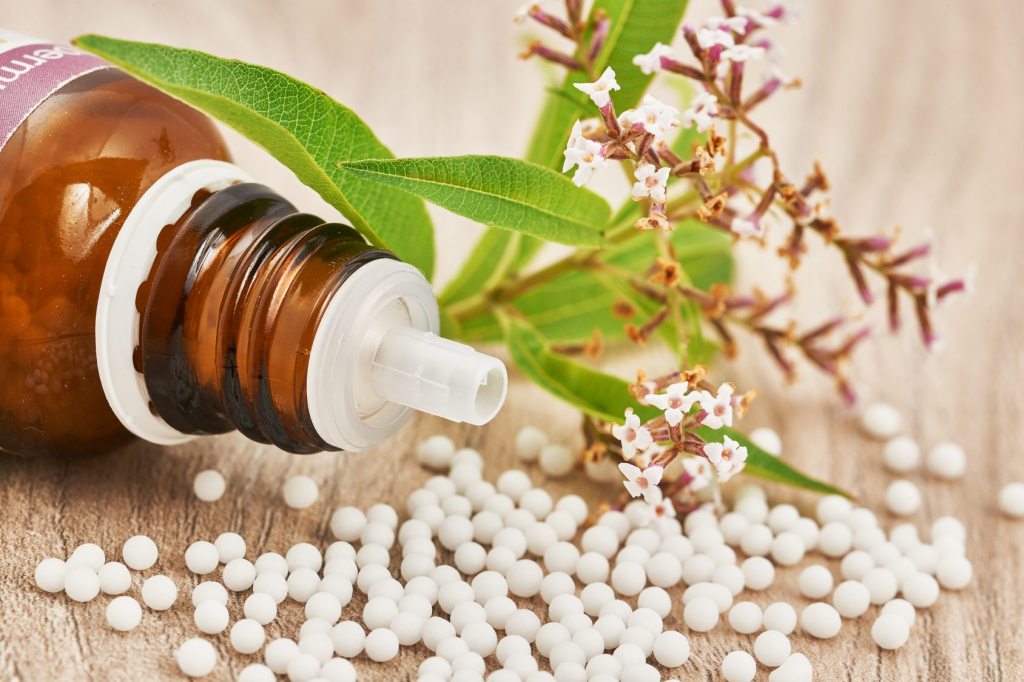
Homeopathy is a medical science and art developed over 200 years ago by Samuel Hahnemann, a brilliant physician and medical translator in Germany. It quickly became the medicine of choice among many Europeans. Homeopathy gained great fame due to its success during epidemics, and, by 1900, it was practiced by one in five medical doctors in the U.S.
Over the past thirty years, homeopathy has enjoyed a boom in popularity and interest in the U.S., India, Pakistan, Europe, Australia, New Zealand, and many other places throughout the world. According to the World Health Organization, homeopathy is the second-largest and fastest-growing medicine in the world. In India alone, 100 million people use it exclusively to stay healthy. Up to 70% of French doctors consider homeopathy effective, and at least 25,000 prescribe it to their patients. A 2011 report by the government of Switzerland, a bastion of pharmaceutical headquarters, concluded that homeopathic medicine was both effective and cost-effective, and recommended that it be covered by their national health insurance (according to a February 2012 article in the Huffington Post by Dana Ullman, M.P.H.).
INTRODUCTION OF HOMEOPATHY
Homoeopathy is a system of medicine founded by the celebrated physician Dr. Samuel Hahnemann (1755-1843) of Germany. It is based on the principle that ‘like cures like’. In practice, this means that a medicine capable of producing certain effects when taken by a healthy human being is capable of curing any illness that displays similar effects.
The medicines of Homoeopathy
Like Cure Likes
For example, if a healthy person takes a dose of Arsenic, he will develop vomiting, diarrhea of rice-water stools, a rapid pulse, and prostration. His skin will become cold and his expression anxious. In smaller doses or when taken for a longer time, he will develop a running nose, heavy head, cough, and bronchial catarrh. Even later there will be specific disturbances of skin and nerves. He will develop a burning sensation all over which is relieved by warmth, frequent thirst for sips of water, fear of death, restlessness, and a worsening of symptoms at noon and midnight.
According to Homoeopathic law ‘like cures like’, countless patients displaying such symptoms have been cured by the homeopathic remedy Arsenicum album, irrespective of the name of the disease (cholera, colds, eczema, asthma, etc.).
Hippocrates postulated this principle in the words, “Similia Similibus Curentur” (‘likes are cured by likes).
The practice of homeopathy is based on certain fundamental principles. Firstly, the remedies that are used are tested on human volunteers (provers) to elicit the symptoms they can produce. The symptoms of each remedy experienced by the provers are recorded in exact detail and they form the Homoeopathic Materia Medica. The symptoms of the patient are then matched with the symptoms of the various remedies in the Materia Medica to find out a single remedy whose symptoms are most similar to those of the patient (like cures like).
Aletris farinosa Homeopathic medicine

Aletris farinosa
Generalities
– It affected the female organs.
– It is remedy for anaemic, debilitated, relaxed females who always feel tired, and suffer from proplapsus, leucorrhoea, rectal distress.
– Many symptoms appear due to uterine disorder.
– Parts feel heavy.
– Suitable for anaemic girls and pregnant women.
– Weak emaciated persons.
– Haemorrhages.
Worse
– Loss of fluids.
Better
– Passing flatus.
– Bending backwards.
Mind
– Confused feeling.
– Can not concentrate mind.
Head
– Weight in occiput; as if it would draw the head backwards.
– Vertigo with fainting, sleepiness, vomiting or purging.
Ears
– Feel as if open through from one to the other.
Mouth
– Much frothy saliva.
Stomach
– Want of appetite; disgust for food.
– Least food causes distress.
– Obstinate vomiting of pregnancy.
– Nervous dyspepsia.
– Nausea amel. by coffee, by dinner; with pressure in forehead.
Abdomen
– Colic settling in lower part amel. passing flatus; scanty diarrhoeic stools, pain amel. bending backwards.
– Fearful pain during passing stools, as if forcing a passage.
– Stools large hard, difficult.
– Constipation, as from rectal atony.
Urinary
– Involuntary urination on walking fast or sneezing.
Female
– Early and profuse menses, with labour-like pains.
– Menorrhagia profuse, black, with clots.
– Uterus seems heavy.
– Leucorrhoea white, stringy, due to weakness and anaemia.
– Habitual tendency to abortion.
– Muscular pains during pregnancy.
– Menses copious followed by watery copious oozing between periods.
Respiratory
– Cough before menses.
Neck and back
– Sensation as if back would break just above waist.
– Backache with dragging in sacral region, with stringy colourless leucorrhoea.
Extremities
– Leg (R) feels paralyzed below knee; numb, could not bear weight on it.
Related
– Chin; Helo; Tril.
Source: Phatak Materia Medica
 Dr Riffat Nawab Musab