About Us

Riffat Homeo Specialist Clinic Profile 

Featured

رفعت ہومیو سپیشلسٹ کلینک کا مختصر تعارف


 رفعت ہومیو سپیشلسٹ کلینک  پاکستان میں اعلیٰ شفائی معیار رکھنے والا ہومیوپیتھی کا نمائندہ کلینک ہے ،جہاں دنیا کے بہترین طریقہ علاج ہومیوپیتھی کے ذریعے بیمار اور دکھی انسانیت  کا علاج  کیا جاتا ہے۔اس  کا آغاز 2008  میں ہوا، جو کہ آج بتدریج  ترقی کرتے ہوئے  اپنے شعبہءِ علاج  کا ایک ممتاز ادارہ بن چکا ہے۔ادارے کے قیام کا مقصد معاشرے کے ہر حیثیت کے فرد کو اس کی استطاعت کے مطابق اعلیٰ معیار کا علاج  فراہم کرنا ہے۔

رفعت ہومیو سپیشلسٹ کلینک  ملک بھر میں ہومیوپیتھک طریقہ علاج کی ترویج و اشاعت میں  نمایاں کردار ادا کر رہا ہے۔ پاکستان بھرسے مریض براہ راست ہمارے زیر علاج ہیں،  جو کہ ہمارے   علاج سے استفادہ کرنے کے ساتھ ساتھ کلینک  سے   حفظانِ صحت،ہومیو پیتھی اور ہومیوپیتھی کے مختلف بیماریوں میں کردار کے متعلق سائنٹفک معلومات حاصل کرتے ہیں۔  یہ اداراہ ہومیوپیتھک میڈیکل سسٹم کی تعلیم و ترویج بالخصوص کلاسیکل ہومیوپیتھی اور  سینسیشن میتھڈ ہومیوپیتھی کی تعلیم اور پریکٹس کو اولین اہداف میں شامل کرتا ہے۔

رفعت ہومیو سپیشلسٹ کلینک  پرعلاج معالجے کے لئے ہومیوپیتھی کی جدید ترین تحقیقات کو بروئے کار لایا جاتا ہے، اس حوالے سے انڈین ڈاکٹر راجن سنکرن کی سینسیشن میتھڈ اپروچ پر تحقیقات پر عمل سر فہرست ہے۔ ہمارے ہاں سے صحت یاب ہونے والے مریضوں کی کی بڑی تعداد ہے،  یہی وجہ ہے کہ ان صحت یاب ہونے والے مریضوں سے حاصل ہونے والے تجربات اورتحقیقات کی بنیاد پر ہمیں شفایابی کی ایک سائنٹیفک  اپروچ حاصل ہے۔  ہومیوپیتھی میں جدید تحقیقات، ہومیونیوٹریشنل  اپروچ اور ہومیوپیتھک سائیکالوجی سے استفادہ کرنا  ہمارے ادارےکی  وہ اضافی خوبیاں ہیں جو ہمہ وقت دیگر کسی علاج گاہ کوشاذ ہی میسر ہیں۔

رفعت  ہومیوسپیشلسٹ کلینک  کے علاج معالجے کےاعلیٰ  اصول و ضوابط سے  عوام الناس اور ہومیوپیتھک پریکٹشنرز کی کثیر تعداد استفادہ کررہی ہے،جس میں اپائنٹمنٹ سسٹم، آن لائن مشاورت، نیوٹریشنل اپروچز، کلینک کاSystematic اور ہائیجینک ماحول،  معیاری ادویات کی فراہمی اور باصلاحیت و بااخلاق عملہ کا موجود ہونا ہے۔ اس کے علاوہ  کلینک کا پرائیویٹ مشاورت کا ماحول مریض کو ایک اعتماد اور حوصلہ بخشتا ہے کہ وہ بلا جھجک اور پرسکون ہوکراپنی ہسٹری بیان کرکے اپنا علاج معالجہ شروع کرواسکتا ہے۔

اب تک ہمیں میں  روز مرہ   کیسز کے علاوہ جن خصوصی کیسزکی شفایابی میں خاصی کامیابی حاصل ہوئی ہےان  میں نفسیاتی امراض،بچوں کی امراض،میٹابولک ڈِس آرڈرز، ذیابیطس، موٹاپا،زنانہ و مردانہ بانجھ پن،گردے فیل کیسز، دمہ، امراضِ قلب،ہائی بلڈ پریشر، آدھے سر کا درد ، ہیپاٹائٹس اور دیگر امراضِ کہنہ  و پیچیدہ  شامل ہیں ۔

:نوٹ

آپ  یا آپ کے عزیز و اقارب میں سے کوئی کسی ایسی تکلیف میں مبتلا ہے کہ باوجود مختلف علاج معالجے  کےخلاصی کی کوئی راہ نہیں پارہےتو ہمارے دارے کی  خدمات ضرورحاصل کریں۔ ایک ماہ میڈیسن استعمال کریں، اگر مریض بہتری محسوس کرے اور رپورٹس بھی بہتر ہوجائیں تو باقی علاج بھی اعتماد کے ساتھ مکمل کرلیں۔

آن لائن مشورے کی سہولت موجود ہے ۔ مشورے کے لئے پہلے سے وقت طے کرنا ضروری ہے۔

Clinic Timings

Monday to Saturday

(Morning 09:00 am to 01:00 pm)

(Evening: 04:00 pm to 09:00 pm) PST

SUNDAY CLINIC CLOSED

پرانے اور پیچیدہ امراض کے علاج کے لئے کیس ریکارڈ فارم یہاں سے ڈاؤن لوڈ کیجئے۔ کیس ریکارڈ فارم کو پُر کرنے سے پہلے اچھی طرح اس کا مطالعہ کیجئے تاکہ آپ کو ہمارے علاج کا طریقہ سمجھنے میں آسانی ہوسکے۔ کیس ریکارڈ فارم ڈاؤن لاوڈ کرنے کے بعد اس کا پرنٹ نکلوائیں اور سوالات کے جوابات لکھیں۔ صرف انہی سوالات کے جوا ب لکھیں جو آپ کے مرض کے متعلقہ ہیں۔ ہرسوال کا جواب لکھنا ضروری نہیں۔   فارم فل کرنے کے بعد اس پر لکھے ہوئے ایڈریس پر کوریئر کردیں۔ فارم وصول ہونے کے بعد آپ کو اپائنٹمنٹ دے دی جائے گی۔ فارم یہاں سے ڈاؤن لوڈ کیجئے

How Homeopathy works in the body?

ہومیوپیتھک دوا جسم میں کس طرح کام کرتی ہے؟

پروسٹیٹ غدود کا ہومیوپیتھک علاج

DrRiffatNawab #Homeopathy #HomeopathicDoctor #ClassicalHomeopathy #NaturalHealing #HomeopathicTreatment #HolisticHealth #HomeopathicMedicine #AlternativeMedicine #MiasmaticHomeopathy #PsoraTreatment #ChronicDiseaseCare #NaturalRemedies #HomeopathyPakistan #HealthWithHomeopathy

اسباق آرگینن آف میڈیسن

آج ہم پڑھیں گے ،شفا کا بلند ترین معیار کیا ہے؟

ہومیوپیتھک فزیشن کا واحد مشن یہ ہے کہ وہ شفا کے بلند ترین معیار کو حاصل کرے اور “شفا کا بلند ترین معیار” درج ذیل ہے

1. شفا تیز ترین ہو۔
وضاحت:کسی بیماری کی تیز ترین شفا کا دورانیہ بیماری کی نوعیت پر منحصرہوتا ہے۔ اگر بیماری ایکیوٹ ہو اورایک مخصوص اور معین مدت میں خود بہ خود ختم ہو جانے والی ہو، تو اسے اس کے اس مخصوص کورس سے پہلے ٹھیک کر دینا چاہیے ۔ دوسرے الفاظ میں، شدید کیسز کو فوری طور پر ختم کرنا چاہیے۔ لیکن کرانک (دائمی) بیماریوں کو علاج کے لیے نسبتاً زیادہ وقت درکار ہوتا ہے کیونکہ ان بیماریوں نے مریض کے ٹشوز میں تبدیلیاں پیدا کردی ہوتی ہیں۔

2. نرمی کے ساتھ ہو اور مزید نقصان دہ نہ ہو۔
وضاحت: علاج اس طریقے سے کیا جائے کہ مریض کی موجودہ تکلیف میں اضافہ نہیں ہونا چاہیے، اس لیے اسے نرم ہونا چاہیے۔ ہمیں مریض کو مزید نقصان پہنچانے کا کوئی حق نہیں۔ ڈاکٹر ہانیمن کے دور میں علاج کے لئے خون بہانے، جلاب دینے، کٹ لگانے اور آگ سے داغنے جیسے طریقے اپنائے جاتے تھے، جو بیماری سے زیادہ نقصان دہ تھے۔ اس لئے تکلیف دہ طریقوں سے بھی بچنا ہے۔

3. مستقل طور پر ہو۔
وضاحت:اس کا مطلب ہے کہ بیماری کے دوبارہ ہونے کا کوئی امکان نہ ہو۔ علاج کے بعد صحت یابی مستقل ہونی چاہیے۔ محض علامات کو دور کرنا یا مریض کی تکالیف اور علامات کو دبادینا حقیقی معنوں میں صحت یابی نہیں کہلاتا۔ لہذا اصل مشن شفا حاصل کرنا ہے۔

4. کم سے کم وقت میں ہو۔
وضاحت:یہ ایک نسبتی اصطلاح (Relative term )ہے ، ایسا اس وقت ممکن ہوتا ہے جب زیادہ سے زیادہ بالمثل میڈیسن کاانتخاب کیا گیاہو۔ جب کوئی دوا علامات کے مجموعے کی زیادہ سے زیادہ مماثلت کی بنیاد پر دی جاتی ہے ،تو توقع کی جاتی ہے کہ مریض جلد صحت یاب ہو جائے گا۔ علاج کے انتخاب کا یہ سیدھا سا طریقہ وقت کی بچت کرتا ہے اور قابل اعتماد بھی ہوتا ہے۔

5. بیماری کا وجود مکمل طور پر ختم کردیا گیا ہو۔
وضاحت:ایک بیماری جس کی بہت سی علامات ہوتی ہیں۔ کچھ علامات زیادہ پریشان کن اور تکلیف دہ ہوتی ہیں اور کچھ کم پریشان کن ہوتی ہیں۔ اس لیے ہمیں محض زیادہ پریشان کن علامات کو دور کرنے پر ہی مطمئن نہیں ہونا چاہیے ،کیونکہ ہر علامت نارمل صحت کی حالت سے انحراف کو ظاہر کرتی ہے۔ بیماری کو مکمل طور پر اس کی تمام علامات سمیت ختم کرنا ضروری ہے۔ لہذا نارمل صحت کی حالت کوبحال کرنے کے لیے ہر علامت کو دور کرنا ضروری ہے تاکہ شفا کا بلندترین معیار حاصل کیا جاسکے۔

6. نہایت قابل اعتماد اور بہت بے ضرر طریقے سے حاصل ہو۔
وضاحت:جب کسی بیماری کی علامات “ہیرنگ کے قانون” کے مطابق ختم ہو رہی ہوتی ہیں، تو ہم یقین کر سکتے ہیں کہ بیماری بالآخر صحت یاب ہو جائے گی۔ اس قانون کے مطابق ،علامات اوپر سے نیچے، اندر سے باہر، مرکز سے کنارے، زیادہ اہم سے کم اہم عضو تک، اور ان کے آنے کے الٹ ترتیب میں ختم ہوتی ہیں، یعنی جو علامات آخر میں آئیں وہ پہلے ختم ہوتی ہیں۔

7. علاج شفاف، سیدھے سادے اور آسانی سے سمجھ میں آجانے والے اصولوں کے مطابق ہو۔

والسلام
ہومیوپیتھک ڈاکٹر رفعت نواب مصعب
فیصل آباد
0321-6693815

اسباق آرگینن آف میڈیسن

ایک ہومیوپیتھک فزیشن کا سب سے اعلیٰ اور واحد مشن “بیمار” کی صحت کو بحال کرنا ہے، یعنی اسے شفا کی جانب لانا ہے۔جیسا کہ اس کی وضاحت آئندہ بیان کی جائے گی۔

نوٹ: شفا سے مراد وہ حالت ہوتی ہے جو بیمار ہونے سے پہلے تھی، جس حالت پر اس کو اللہ نے پیدا کیا تھا۔

The secret to a healthy life | Dr Riffat Nawab Musab

What is the secret to a healthy life? How to avoid diabetes, obesity, heart disease, cholesterol, and kidney failure? What is meant by good and bad food? What is the difference between good and bad food? What are the causes of 70% of diseases in the present age and what is their simple solution? Why is the welfare of humanity in the Islamic way of life? What does Islam teach us about health care and the treatment of diseases? How does modern scientific research confirm Islamic teachings? Know all this confirmed and substantiated information in this video link;


شوگر، موٹاپا، امراضِ دل، کولیسٹرول اور گردے فیل سے کیسے بچیں؟ طیب اور خبیث غذاؤں سے کیا مراد ہے؟ طیب اور خبیث غذاؤں کی کیا پہچان ہے؟ موجودہ دور میں 70 فیصد بیماریوں کی وجوہات کیا ہیں اور ان کا آسان حل کیا ہے؟ اسلامی طرز زندگی ہی میں کیوں انسانیت کی فلاح ہے؟ اسلام ہمیں صحت کی حفاظت اور بیماریوں کے علاج کی کیا تعلیمات دیتا ہے؟ دور جدید کی سائنسی تحقیقات کس طرح اسلامی تعلیمات کی تصدیق کرتی ہیں؟ یہ سب مصدقہ اور مدلل معلومات جانئے اس ویڈیو لنک میں؛

The Shocking Truth Behind Cold Drinks and Bakery | Dr Riffat Nawab Musab

Cold drinks and bakery have become an integral part of our chill time- whether it’s watching movies or attending parties. But do you know how harmful your favorite cold drinks are? What if I tell you that they can even cause Cancer? Not only this, but some critics even compare these cold drinks to Toilet Cleaners. Sounds scary? Well, unfortunately, it is scary. Cold drinks might be good in taste, but they are a big no for your health. Watch this video by Dr Riffat Nawab Musab to find out what is the truth behind Cold Drinks, and whether they are really worth drinking. Dr Riffat Nawab Musab

Importance of diet and lifestyle modification during treatment | Dr Riffat Nawab Musab

علاج کے دوران پرہیز اور لائف سٹائل درست کرنے کی اہمیت

Diet is Important Along With Medication For Proper Medical Treatment | Dr Riffat Nawab Musab

علاج کے لئے میڈیسن کے ساتھ پرہیز ضروری ہے

Diet is important along with medication It is very important to understand that diet is just as important as medication when it comes to proper medical treatment. In this video, I’m talking with my friend, about the importance of a proper diet and how it can help with proper medical treatment.

Basic tests for diabetic patients | Dr Riffat Nawab Musab

Basic tests for diabetic patients: 1. FBS 2. RBS 3. HBA1C 4. Urine C/E 5. RFT 6. LFT

A Real Experiment for Diabetics | What You Need to Know about Homeopathy | Dr Riffat Nawab Musab

شوگر کے مریض ایک سچا تجربہ ضرور کریں اس ویڈیو میں، ہم یہ دیکھنے کے لیے ایک حقیقی تجربہ کرنے جا رہے ہیں کہ ذیابیطس کے لیے روایتی ادویات کیسے متاثر ہوتی ہیں۔ ذیابیطس کے مریضوں کے لیے یہ ایک بہترین تجربہ ہے کیونکہ اس سے ہومیوپیتھک نظام اور ادویات کے دیگر روایتی نظاموں کا موازنہ کرنے میں مدد مل سکتی ہے۔ یہ ایک حقیقی تجربہ ہے جسے آپ گھر پر کر کے دیکھ سکتے ہیں کہ ذیابیطس کے علاج کے لیے آپ کی دیگر دوائیں کس طرح اثر انداز ہوتی ہیں، جبکہ ان کے برعکس ہومیوپتھک علاج کس طرح آپ کو حقیقی شفا دیتا ہے۔

Diabetics must do a real experiment! In this video, we’re going to do a real experiment to see how traditional diabetes medications work. This is a great experience for diabetic patients as it can help compare the homeopathic system with other traditional systems of medicine. This is a real experiment that you can do at home to see how your other diabetes medicines work, as opposed to how homeopathic remedies actually heal you.

Homeopathy for Psychological Treatment | Dr Riffat Nawab Musab

ذہنی امراض کا ہومیوپیتھک علاج

نفسیاتی علاج اور ہومیوپیتھی

How to get fever treatment by Homeopathy: Learn by Dr Riffat Nawab Musab

1. بخار کا ہومیوپیتھک علاج کس طرح کروائیں؟ 2. ہومیوپیتھک ڈاکٹر کو اپنے بخار کی علامات کس طرح بتائیں؟ 3. ہومیوپیتھی میں بخار کی اہم علامات کیا ہوتی ہیں؟ 4. ہومیوپیتھی میں بخار کی میڈیسن بہت عمدہ ہوتی ہے؟ 5. ہومیوپیتھی دوسرے امراض کی طرح بخار کا علاج بھی بہت تیز رفتاری سے کرتی ہے۔ 6. بخار کی مریض کو کس طرح سے ہومیوپیتھی کا ٹریٹمنٹ دلایا جائے؟

Best way to treat kids with homeopathy : Learn by Dr Riffat Nawab Musab

بچوں کا ہومیوپیتھک علاج کس طرح کروائیں؟ بچوں کی علامات کا مشاہدہ کس طرح کیا جائے؟ بچوں کے بخار کی علامات اپنے ہومیوپیتھک ڈاکٹر کو کس طرح بتائی جائیں؟ بچوں کے پیٹ کی علامات کس طرح بتائی جائیں؟ بچوں کی چھاتی اور کھانسی کی علامت کس طرح نوٹ کرکے ہومیوپیتھک ڈاکٹر کو بتائی جائیں؟ بچے کی کھانے پینے کی عادات کا مشاہدہ کس طرح کیا جائے؟ ماں اور باپ بچے کی کن حرکات کو لازمی نوٹ کریں؟

The Correct Method of Homeopathic Treatment: Learn from Dr Riffat Nawab Musab

تیز ترین، بے ضرر اور مستقل شفا حاصل کرنے کیلئے ہومیوپیتھک علاج کرانے کا درست طریقہ جانیے۔ ہسٹری دیتے ہوئے کس بات کا خیال رکھنا ضروری ہے؟ مریض اور معالج عموماً کیاغلطی کرتے ہیں؟ اپنی علامات کس طرح بتانا چاہئیں؟ کیا جسمانی علاج کے دوران نفسیاتی علامات بتانا ضروری ہیں؟

Why does a person die from overeating | Dr Riffat Nawab Musab

ہماری صحت ہماری ذمہ داری

اچھی صحت کا راز

Health problems after forty years and their solution

چالیس سال عمر کے بعد صحت کے مسائل اور ان کا حل

Prostate Enlargement: Expert Tips and Advice | Dr Riffat Nawab Musab

Benign prostatic hyperplasia

اس وقت دنیا میں مرد حضرات میں کینسر کی چوتھی بڑی وجہ پروسٹیٹ غدود کے کینسر میں مبتلا ہوناہے۔ یہ غدود مثانے کے بالکل نیچے پایا جاتا ہے ، خواتین میں یہ غدود نہیں ہوتا۔ پروسٹیٹ غدود کے بڑھ جانے سے ، وہ ٹیوب جو مثانے سے پیشاب لے کر پروسٹیٹ غدود کے درمیان سے گزرتی ہوئی نکلتی ہے، وہ دب جاتی ہے۔ جس کی وجہ سے پیشاب کے اخراج میں رکاوٹ پیدا ہونا شروع ہوجاتی ہے۔۔۔۔۔۔۔۔۔۔
مزید تفصیل جاننے کے لئے یہ آرٹیکل مکمل پڑھیے
👇👇👇👇👇

Dry hair care tips

Dry hair care

If you have dry and rough hair, there are several measures you can take to improve its condition. Here are some suggestions for dry and rough hair care:

1. Use a moisturizing shampoo: Look for shampoos specifically formulated for dry or damaged hair. These shampoos typically contain nourishing ingredients like argan oil, shea butter, or coconut oil that can help hydrate and soften your hair.

2. Avoid frequent shampooing: Washing your hair too often can strip away its natural oils and make it even drier. Try to limit shampooing to two or three times a week, or even less if possible. Instead, rinse your hair with water on non-shampoo days to keep it clean.

3. Condition regularly: Conditioners help replenish moisture and improve the texture of your hair. After shampooing, apply a moisturizing conditioner from mid-length to the ends of your hair. Leave it on for a few minutes before rinsing thoroughly.

4. Deep condition once a week: Consider using a deep conditioning treatment once a week to provide extra hydration. These treatments are usually more intense and can help restore moisture to your hair. Follow the instructions on the product for best results.

5. Avoid heat styling: Heat from styling tools like blow dryers, straighteners, and curling irons can further dry out your hair. Minimize your use of these tools or use them on the lowest heat setting. Apply a heat protectant spray before styling to reduce damage.

6. Limit exposure to the sun and harsh weather: Sun exposure and extreme weather conditions can contribute to dryness and damage. Wear a hat or use a scarf to protect your hair from the sun and harsh winds.

7. Trim regularly: Regular trims are essential for maintaining healthy hair. Split ends and damaged hair can make your hair appear even drier and rougher. Trim your hair every 6-8 weeks to get rid of split ends and promote healthy hair growth.

8. Avoid harsh chemical treatments: Chemical treatments like perming, relaxing, or coloring can further damage dry hair. If possible, avoid or minimize the use of these treatments. If you must use them, seek professional help and opt for conditioning or moisturizing treatments before and after.

9. Hydrate from within: Drink plenty of water and maintain a healthy diet to promote hair health. Nutrient-rich foods like fruits, vegetables, lean proteins, and healthy fats can contribute to healthier hair.

10. Use leave-in conditioners or oils: After showering, consider using a leave-in conditioner or hair oil to provide extra moisture and hydration. These products can help smooth your hair and reduce frizz.

Remember, everyone’s hair is unique, so it may take some trial and error to find the best routine and products for your specific needs. If your hair concerns persist, it’s always a good idea to consult a professional hairstylist or dermatologist for personalized advice.

Best diet plan for arthritis patients

If you have arthritis, maintaining a healthy diet can help manage your symptoms and improve your overall well-being. While there is no specific “best” diet for arthritis, some eating patterns and food choices have been shown to be beneficial. Here are some recommendations:

  1. Anti-inflammatory foods: Include foods that have anti-inflammatory properties, such as fruits, vegetables, whole grains, legumes, nuts, and seeds. These foods are rich in antioxidants and can help reduce inflammation in the body.
  2. Omega-3 fatty acids: Consume foods high in omega-3 fatty acids, as they have anti-inflammatory effects. Good sources include fatty fish (salmon, mackerel, sardines), flaxseeds, chia seeds, walnuts, and hemp seeds. Consider taking fish oil supplements if recommended by your healthcare provider.
  3. Healthy fats: Include healthy fats in your diet, such as olive oil, avocados, and nuts. These fats can help reduce inflammation and support joint health.
  4. Colorful fruits and vegetables: Eat a variety of colorful fruits and vegetables to ensure you’re getting a wide range of vitamins, minerals, and antioxidants. Berries, leafy greens, citrus fruits, and cruciferous vegetables like broccoli and cauliflower are particularly beneficial.
  5. Whole grains: Opt for whole grains like brown rice, quinoa, oats, and whole wheat bread instead of refined grains. They provide more fiber and nutrients, which can help manage weight and reduce inflammation.
  6. Limit processed foods: Minimize your intake of processed and packaged foods, as they often contain unhealthy fats, added sugars, and additives that may contribute to inflammation.
  7. Limit saturated and trans fats: Reduce your consumption of saturated fats found in fatty meats, full-fat dairy products, and fried foods. Also, avoid trans fats found in processed snacks, margarine, and commercially baked goods, as they can promote inflammation.
  8. Moderate alcohol intake: If you drink alcohol, do so in moderation. Excessive alcohol consumption can worsen inflammation and interact with certain arthritis medications. It’s best to consult your doctor regarding alcohol use and any specific considerations for your condition.
  9. Stay hydrated: Drink plenty of water throughout the day to keep your joints well lubricated and support overall health.
  10. Maintain a healthy weight: Excess weight puts additional stress on your joints. Following a balanced diet, portion control, and regular physical activity can help manage weight and relieve joint pain.

Remember, it’s always a good idea to consult with a healthcare professional or registered dietitian who can provide personalized advice based on your specific needs and medical history.

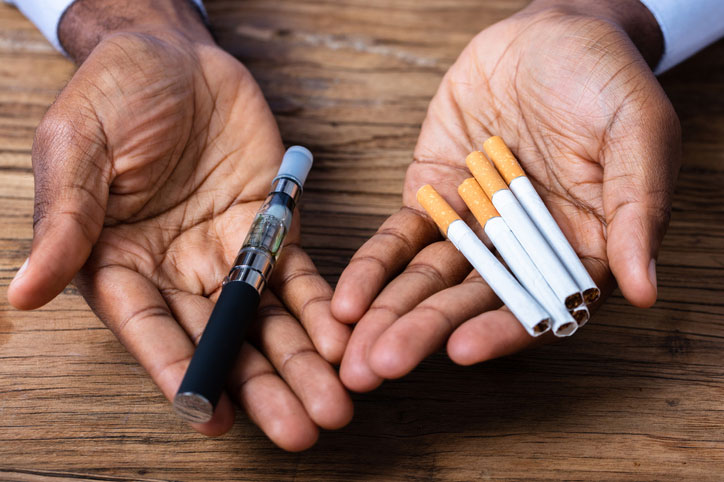
Vaping and E-cigarettes: Unraveling the Negative Health Effects

Introduction:
Vaping and e-cigarettes have gained significant popularity in recent years, often touted as a safer alternative to traditional tobacco smoking. However, emerging scientific evidence suggests that these electronic nicotine delivery systems (ENDS) are not without their own set of health risks. This article aims to provide an in-depth exploration of the adverse health effects associated with vaping and e-cigarettes, shedding light on the potential dangers they pose to individuals and public health.

  1. Composition of Vaping Devices and E-liquids:
    E-cigarettes typically consist of a battery-powered heating element, a cartridge or tank to hold the e-liquid, and an atomizer that vaporizes the liquid. The e-liquids contain nicotine, flavorings, propylene glycol, glycerin, and other chemicals. While these substances are generally regarded as safe for ingestion, their effects on the respiratory system when inhaled are less understood.
  2. Respiratory Health Risks:
    a) Lung Injury: Several cases of e-cigarette or vaping product use-associated lung injury (EVALI) have been reported, often presenting as severe lung inflammation and respiratory distress. The exact cause of EVALI is still under investigation, but it is suspected to be linked to chemical exposure or contaminants in certain e-liquids.
    b) Irritation and Inflammation: The inhalation of e-cigarette aerosols can cause irritation and inflammation of the airways, leading to symptoms such as coughing, wheezing, and shortness of breath. Prolonged exposure may contribute to the development of chronic respiratory conditions like bronchitis and asthma.
  3. Cardiovascular Health Risks:
    a) Increased Blood Pressure and Heart Rate: Nicotine present in e-cigarettes can elevate blood pressure and heart rate, increasing the workload on the cardiovascular system. Prolonged use may contribute to the development of hypertension and cardiovascular diseases.
    b) Atherosclerosis: Studies suggest that e-cigarette use can impair endothelial function, a crucial component of healthy blood vessels. This dysfunction can contribute to the development of atherosclerosis, a condition characterized by the build-up of plaque and narrowing of arteries, potentially leading to heart attacks and strokes.
  4. Nicotine Addiction and Substance Abuse:
    a) Gateway to Smoking: E-cigarettes have raised concerns about serving as a gateway to traditional cigarette smoking, especially among young individuals. The addictive nature of nicotine can prime users for subsequent tobacco addiction and negate any perceived harm reduction.
    b) Adolescent Brain Development: Nicotine exposure during adolescence can adversely affect brain development, potentially leading to cognitive impairments and an increased risk of substance abuse disorders.
  5. Other Health Concerns:
    a) Chemical Exposure: E-cigarette aerosols contain a variety of potentially harmful chemicals, including volatile organic compounds, heavy metals, and carcinogens. Inhalation of these substances poses risks to lung health and may contribute to long-term diseases.
    b) Accidental Injuries: Reports of e-cigarette explosions and burns highlight the physical dangers associated with these devices. Battery malfunctions and improper handling can cause severe injuries.

Conclusion:
While vaping and e-cigarettes were initially marketed as a safer alternative to traditional smoking, mounting evidence suggests significant health risks associated with their use. Respiratory and cardiovascular complications, nicotine addiction, and potential long-term effects on brain development are among the concerns surrounding these devices. It is crucial for individuals, especially young people, to be aware of these risks and make informed decisions regarding their health. Policymakers and healthcare professionals should remain vigilant, ensuring adequate regulation and public education to address the emerging challenges posed by vaping and e-cigarettes.

Note: The information provided in this article is for educational purposes only and should not replace professional medical advice.

One of the primary health concerns associated with vaping and e-cigarettes is the potential for respiratory complications. Research has shown that the inhalation of e-cigarette aerosols can lead to irritation and inflammation of the airways, manifesting as symptoms such as coughing, wheezing, and shortness of breath. This can be attributed to the various chemicals present in e-liquids, including propylene glycol and glycerin, which are generally regarded as safe for ingestion but may have different effects when inhaled. Prolonged exposure to these aerosols has been linked to the development of chronic respiratory conditions, such as bronchitis and asthma. Additionally, cases of severe lung injury, known as e-cigarette or vaping product use-associated lung injury (EVALI), have been reported, presenting as acute lung inflammation and respiratory distress. Although the exact cause of EVALI is still under investigation, it is suspected to be related to chemical exposure or contaminants in certain e-liquids. Further research is needed to fully understand the mechanisms behind these respiratory health risks and to develop effective preventive measures.

Apart from respiratory complications, vaping, and e-cigarettes also pose significant risks to cardiovascular health. Nicotine, a key component of e-liquids, can lead to increased blood pressure and heart rate upon inhalation. This can impose additional strain on the cardiovascular system and potentially contribute to the development of hypertension and cardiovascular diseases. Furthermore, studies have indicated that e-cigarette use may impair endothelial function, which plays a vital role in maintaining healthy blood vessels. Endothelial dysfunction can contribute to the progression of atherosclerosis, a condition characterized by the build-up of plaque in the arteries, ultimately increasing the risk of heart attacks and strokes. These findings underscore the potential long-term consequences of vaping on cardiovascular health and emphasize the need for further investigation into the underlying mechanisms involved.

In addition to the specific health risks associated with vaping, it is important to address the broader concerns related to nicotine addiction and substance abuse. E-cigarettes, with their appealing flavors and perceived harm reduction, have raised concerns about serving as a gateway to traditional smoking, particularly among young individuals. Nicotine, being a highly addictive substance, can prime users for subsequent tobacco addiction, nullifying any potential benefits of switching to e-cigarettes. Moreover, the adolescent brain is particularly vulnerable to the effects of nicotine, which can disrupt normal brain development and lead to cognitive impairments. Studies have also indicated an increased risk of developing substance abuse disorders among individuals who initiate nicotine use during adolescence. Understanding these risks is crucial for implementing effective prevention strategies and comprehensive tobacco control policies.

Beyond the health concerns, there are other important factors to consider when discussing the impact of vaping and e-cigarettes. Chemical exposure is a significant consideration, as e-cigarette aerosols contain various potentially harmful substances. Volatile organic compounds, heavy metals like lead and cadmium, and even carcinogens have been detected in these aerosols. Inhalation of these chemicals raises concerns about long-term lung health and the potential for developing chronic diseases. Furthermore, the physical dangers associated with e-cigarettes cannot be overlooked. Reports of battery malfunctions leading to explosions and burns have raised alarms about the safety of these devices. Proper handling and adherence to safety guidelines are essential to minimize the risk of accidental injuries.

In conclusion, the rise in popularity of vaping and e-cigarettes necessitates a thorough examination of their health effects. The respiratory complications, cardiovascular risks, potential for nicotine addiction, and concerns related to chemical exposure and accidental injuries all underscore the need for comprehensive research and regulation. Public education campaigns should aim to raise awareness about the potential dangers associated with these devices, particularly among young individuals who may be more susceptible to their negative effects. By promoting informed decision-making and adopting evidence-based policies, we can mitigate health risks and safeguard public health in the face of this evolving phenomenon.

Note: The information provided in this article is for educational purposes only and should not replace professional medical advice.

The secret to a healthy life

صحت مند زندگی کا راز

دین اسلام میں صحت کے لئے ہدایات

Major Causes of Breast Cancer and Prevention Strategies

Abstract:
Breast cancer is a complex disease that affects millions of women worldwide. Understanding the major causes and implementing preventive measures are crucial for reducing the incidence and impact of breast cancer. This comprehensive eight-page article explores the key factors that contribute to breast cancer development, including genetic and hormonal influences, lifestyle choices, and environmental factors. It delves into the significance of early detection and screening, as well as the importance of adopting a healthy lifestyle, making informed dietary choices, and reducing exposure to potential carcinogens. By raising awareness about the major causes of breast cancer and implementing effective preventive strategies, we can work towards reducing the burden of this disease.

  1. Introduction
  • Importance of understanding breast cancer causes and prevention
  • Global impact of breast cancer
  1. Genetic and Hormonal Factors
  • BRCA1 and BRCA2 gene mutations
  • Hormonal imbalances and increased risk
  • Family history and inherited risk factors
  1. Lifestyle Choices
  • Obesity and excess body weight
  • Physical inactivity and sedentary lifestyle
  • Alcohol consumption and breast cancer risk
  • Tobacco use and its association with breast cancer
  1. Dietary Factors
  • High-fat diets and their impact on breast cancer risk
  • Fruits and vegetables as protective factors
  • Role of fiber and whole grains in the prevention
  • Benefits of a balanced and nutritious diet
  1. Hormone Replacement Therapy (HRT)
  • The link between HRT and increased breast cancer risk
  • Discussion of the risks and benefits of HRT
  • Alternative therapies for managing menopausal symptoms
  1. Environmental Factors
  • Exposure to endocrine-disrupting chemicals
  • Role of radiation exposure in breast cancer development
  • Occupational hazards and their association with breast cancer
  1. Importance of Early Detection and Screening
  • Mammography and its role in early detection
  • Clinical breast exams and self-breast exams
  • Genetic testing and counseling for high-risk individuals
  1. Prevention Strategies
  • Maintain a healthy weight and engage in regular physical activity
  • Limit alcohol consumption or avoid it altogether
  • Quit smoking and avoid secondhand smoke
  • Adopt a diet rich in fruits, vegetables, and whole grains
  • Minimize exposure to environmental toxins and radiation
  1. Breastfeeding and Breast Cancer Risk Reduction
  • Protective effect of breastfeeding against breast cancer
  • Benefits of breastfeeding for both mother and baby
  1. Empowering Women with Knowledge
    • Breast cancer education and awareness programs
    • Importance of regular check-ups and screenings
    • Encouraging early intervention and seeking medical advice
  2. Conclusion
    • Recap of major causes of breast cancer
    • The significance of prevention strategies
    • Collaboration for a breast cancer-free future

Breast cancer is a complex disease influenced by various genetic, hormonal, lifestyle, and environmental factors. While some risk factors cannot be modified, such as family history and genetic mutations, there are several preventive measures individuals can adopt to reduce their risk. By making informed choices regarding diet, physical activity, alcohol consumption, and tobacco use, individuals can significantly lower their chances of developing breast cancer.

Public health efforts should focus on raising awareness, providing education, and empowering women with the knowledge necessary for early detection and prevention. Regular screenings, such as mammography and clinical breast exams, play a crucial role in detecting breast cancer at its early stages when treatment is most effective.

Additionally, promoting a healthy lifestyle, including maintaining a healthy weight, engaging in regular physical activity, and making dietary choices that prioritize fruits, vegetables, and whole grains, can contribute to breast cancer prevention.

It is also essential to advocate for environmental regulations

and policies that minimize exposure to endocrine-disrupting chemicals and radiation, both of which have been linked to an increased risk of breast cancer. By reducing environmental hazards and promoting occupational safety measures, we can further protect individuals from potential carcinogens.

Breastfeeding also emerges as a protective factor against breast cancer. Mothers who breastfeed their babies experience a decreased risk of developing breast cancer compared to those who do not breastfeed. The hormonal changes that occur during breastfeeding, along with the natural process of milk production, are believed to contribute to this protective effect. Encouraging and supporting breastfeeding initiatives can not only benefit the health of infants but also contribute to the long-term well-being of mothers.

To combat breast cancer effectively, it is crucial to empower women with knowledge and resources. Breast cancer education programs, awareness campaigns, and accessible screening facilities can help women understand the importance of regular check-ups, self-examinations, and seeking medical advice when necessary. Genetic testing and counseling services should also be made available to individuals with a family history of breast cancer or known genetic mutations.

In conclusion, breast cancer is a multifactorial disease influenced by various genetic, hormonal, lifestyle, and environmental factors. While certain risk factors are beyond our control, implementing preventive measures can significantly reduce the likelihood of developing breast cancer. By adopting a healthy lifestyle, making informed dietary choices, reducing exposure to potential carcinogens, and promoting breastfeeding, individuals can take proactive steps in minimizing their risk. Furthermore, education, awareness, and early detection initiatives play a critical role in reducing the impact of breast cancer by empowering individuals with knowledge and enabling timely intervention.

Through collaborative efforts between healthcare providers, policymakers, researchers, and the community, we can work towards a breast cancer-free future. By prioritizing prevention strategies, raising awareness, and providing support and resources, we can make substantial progress in reducing the burden of breast cancer and improving the overall well-being of individuals and communities worldwide. Let us unite in the fight against breast cancer and strive for a healthier and brighter future for all.

The Benefits of Breastfeeding for Your Child

Breastfeeding is a natural and invaluable practice that provides numerous benefits for both the mother and the child. This article explores the extensive advantages of breastfeeding exclusively for infants. From optimal nutrition to enhanced immunity and cognitive development, breastfeeding plays a crucial role in fostering the overall health and well-being of the child. Furthermore, it establishes a deep emotional bond between mother and child, creating a foundation for a strong and nurturing relationship. This comprehensive eight-page article delves into the benefits of breastfeeding, shedding light on the importance of this remarkable biological process.

1. Introduction

   – Definition and importance of breastfeeding

   – Historical perspective of breastfeeding

2. Nutritional Superiority

   – Composition of breast milk

   – Adequate nutrients for optimal growth and development

   – Protective factors in breast milk

3. Immune System Boost

   – Antibodies and immune factors in breast milk

   – Protection against infections and diseases

   – Lower risk of allergies, asthma, and obesity

4. Cognitive Development

   – Essential fatty acids and brain development

   – Long-term impact on IQ and cognitive abilities

   – Enhanced social and emotional development

5. Digestive Health and Reduced Risk of Chronic Conditions

   – Easier digestion and reduced risk of gastrointestinal issues

   – Protection against respiratory infections and otitis media

   – Lower risk of chronic conditions such as diabetes and leukemia

6. SIDS Prevention

   – Reduced risk of sudden infant death syndrome (SIDS)

   – Protective factors in breast milk

7. Emotional Bonding and Psychological Benefits

   – Skin-to-skin contact and bonding

   – Emotional benefits for both mother and child

   – Lower incidence of behavioral problems

8. Maternal Health Benefits

   – Reduced postpartum bleeding and faster recovery

   – Lower risk of breast and ovarian cancers

   – Enhanced maternal-child bonding

9. Promoting Breastfeeding

   – Strategies to support and encourage breastfeeding

   – Overcoming challenges and seeking support

   – Workplace policies and breastfeeding-friendly environments

  Importance of raising awareness and promoting breastfeeding

Breastfeeding is a powerful tool that not only provides optimal nutrition for infants but also plays a pivotal role in their long-term health and development. From the essential nutrients and antibodies found in breast milk to the psychological and emotional benefits for both mother and child, breastfeeding is an irreplaceable practice. By understanding and appreciating the extensive benefits of breastfeeding, society can take steps to support and encourage mothers in this important journey. The promotion of breastfeeding ultimately contributes to the well-being of future generations, creating a healthier and more nurturing environment for children worldwide.

1. Introduction

Breastfeeding is a natural and instinctive process that has been practiced for centuries and is deeply rooted in human biology. It is the act of providing a newborn baby with breast milk directly from the mother’s breasts. Breast milk is a remarkable substance that is uniquely tailored to meet the nutritional needs of an infant. It is rich in essential nutrients, antibodies, and bioactive factors that promote optimal growth, development, and protection against infections and diseases. The benefits of breastfeeding extend far beyond nutrition, encompassing cognitive development, immune system support, digestive health, and emotional bonding between mother and child.

2. Nutritional Superiority

Breast milk is often referred to as the “gold standard” for infant nutrition due to its remarkable composition. It contains a perfect balance of proteins, carbohydrates, fats, vitamins, and minerals that are specifically tailored to meet the nutritional needs of a growing infant. The composition of breast milk changes over time to adapt to the evolving needs of the baby. Colostrum, the first milk produced by the mother, is rich in antibodies and provides essential immune protection for the newborn.

Breast milk also contains bioactive components such as growth factors, hormones, enzymes, and probiotics that promote healthy digestion, gut development, and nutrient absorption. These components help prevent gastrointestinal issues and contribute to the overall well-being of the infant.

3. Immune System Boost

Breast milk is a powerhouse of immune-boosting properties. It contains a myriad of antibodies, white blood cells, and immune factors that provide passive immunity to the newborn. This protection is especially crucial during the early months of life when the infant’s immune system is still developing. Breastfeeding has been shown to reduce the risk of various infections, including respiratory tract infections, ear infections, urinary tract infections, and gastrointestinal infections.

Breast milk also contains specific antibodies called immunoglobulin A (IgA) that help protect the baby’s mucous membranes, particularly in the respiratory and gastrointestinal tracts, from pathogens. This defense mechanism significantly lowers the risk of allergies, asthma, and autoimmune disorders in the future.

4. Cognitive Development

Breast milk plays a vital role in the cognitive development of infants. It contains long-chain polyunsaturated fatty acids (LCPUFAs), such as docosahexaenoic acid (DHA), which are essential for the growth and development of the brain and nervous system. DHA constitutes a significant portion of the brain’s structural fats and is crucial for optimal neural development and function.

Studies have shown that children who were breastfed exclusively for the first six months of life or longer tend to have higher IQ scores and improved cognitive abilities later in life compared to those who were formula-fed. The unique combination of nutrients and bioactive factors in breast milk contributes to enhanced brain development, improved memory, and better academic performance.

5. Digestive Health and Reduced Risk of Chronic Conditions

Breast milk is gentle on a baby’s developing digestive system. It is easily digestible and provides the ideal balance of nutrients that promote healthy growth. Breastfed infants are less likely to experience issues such as constipation, diarrhea, and gastroenteritis compared to formula-fed infants.

Furthermore, breastfeeding has been associated with a reduced risk of chronic conditions later in life. Children who are breastfed have a lower likelihood of developing obesity, type 1 diabetes, type 2 diabetes, and certain types of childhood cancers, such as leukemia and lymphoma. The protective effect of breastfeeding against these conditions is attributed to the unique components of breast milk that support immune function, metabolic regulation, and healthy cell development.

6. SIDS Prevention

Breastfeeding has been found to reduce the risk of sudden infant death syndrome (SIDS). SIDS is the unexpected death of an otherwise healthy infant during sleep. While the exact mechanisms behind this protective effect are not fully understood, several studies have consistently shown a correlation between breastfeeding and a reduced risk of SIDS.

Breastfeeding promotes a more stable and lighter sleep for infants, which may play a role in reducing the risk of SIDS. Additionally, breast milk contains substances that enhance the maturation of the infant’s cardiorespiratory system, further contributing to a decreased risk of SIDS. The close physical contact and frequent feeding associated with breastfeeding also promote better arousal responses in infants during sleep, which can help prevent dangerous situations.

7. Emotional Bonding and Psychological Benefits

Breastfeeding establishes a profound emotional bond between mother and child. The skin-to-skin contact and close physical proximity during breastfeeding promote feelings of security, comfort, and love. The hormone oxytocin, released during breastfeeding, helps strengthen the emotional connection between mother and baby.

This emotional bond has long-lasting effects on the child’s psychological development. Breastfed infants often exhibit lower rates of behavioral problems, such as aggression and hyperactivity, later in life. They tend to have better self-regulation skills and higher emotional intelligence, which contribute to healthier social interactions and relationships.

Furthermore, breastfeeding can benefit the mother’s mental health. The release of oxytocin during breastfeeding helps reduce stress and promotes feelings of relaxation and well-being. Breastfeeding mothers often report a sense of fulfillment and closeness with their infants, which can enhance their overall emotional well-being.

8. Maternal Health Benefits

Breastfeeding not only benefits the child but also offers several advantages to the mother’s health. Women who breastfeed experience a range of physical and emotional benefits, including a faster recovery after childbirth. The release of oxytocin during breastfeeding helps the uterus contract, reducing postpartum bleeding and aiding in the involution of the uterus.

Breastfeeding has also been linked to a lower risk of breast cancer and ovarian cancer in mothers. Women who breastfeed for an extended period of time have a reduced risk of developing these types of cancers compared to those who have never breastfed or breastfed for shorter durations. The protective effect is believed to be related to hormonal changes that occur during lactation.

Breastfeeding also supports maternal-child bonding, fostering a deep connection between mother and baby. The emotional benefits of breastfeeding contribute to a positive and nurturing relationship, which can have long-term positive effects on both the mother’s and the child’s well-being.

9. Promoting Breastfeeding

Despite the numerous benefits of breastfeeding, many mothers face challenges that may hinder their ability to breastfeed exclusively. Lack of support, misinformation, social stigma, and workplace barriers are some of the common obstacles faced by breastfeeding mothers.

To promote breastfeeding, it is essential to raise awareness about its benefits and provide accurate information to expecting mothers and their families. Healthcare providers, lactation consultants, and community organizations play a crucial role in offering guidance and support to mothers during the breastfeeding journey.

Workplace policies that support breastfeeding mothers, such as providing designated lactation areas and flexible work hours, can significantly contribute to successful breastfeeding. Creating a breastfeeding-friendly environment in public spaces, such as shopping centers and transportation hubs, can also help normalize breastfeeding and reduce societal barriers.

10. Conclusion

Breastfeeding is a powerful and natural practice that provides countless benefits for both infants and mothers. From the optimal nutrition and immune protection provided by breast milk to the enhanced cognitive development and reduced risk of chronic conditions, breastfeeding establishes the foundation for a healthy future.

The emotional bonding and psychological benefits associated with breastfeeding create a nurturing environment for both mother and child. Additionally, breastfeeding supports maternal health by promoting faster recovery, reducing the risk of certain cancers, and strengthening the mother-child bond.

To fully realize the benefits of breastfeeding, it is crucial to support and encourage breastfeeding mothers, provide accurate information, and create breastfeeding-friendly environments. This includes implementing workplace policies that accommodate breastfeeding, promoting breastfeeding education and support programs in healthcare settings, and fostering a societal culture that respects and normalizes breastfeeding.

By recognizing and promoting the importance of breastfeeding, we can contribute to the overall health and well-being of future generations. Breastfeeding is a natural and invaluable gift that provides infants with the best start in life. It not only nourishes their bodies but also nurtures their minds and emotions, creating a strong foundation for their growth and development.

It is essential for healthcare professionals, policymakers, communities, and individuals to work together to create an environment that supports and empowers breastfeeding mothers. This can be achieved through education, awareness campaigns, lactation support services, and legislation that protects the rights of breastfeeding women.

Furthermore, it is important to challenge societal norms and misconceptions surrounding breastfeeding. By promoting a positive and accepting attitude towards breastfeeding in public spaces, we can create an environment where mothers feel comfortable and supported to breastfeed their infants anytime, anywhere.

In conclusion, breastfeeding offers an array of benefits for infants, ranging from optimal nutrition and enhanced immunity to cognitive development and emotional bonding. The nutritional superiority of breast milk, combined with its protective factors, plays a crucial role in promoting the overall health and well-being of the child. Breastfeeding also provides numerous advantages for mothers, supporting their physical and emotional well-being. As a society, we have a responsibility to promote and support breastfeeding as the norm. By doing so, we not only contribute to the health of individual infants and mothers but also to the collective well-being of our communities and future generations. Breastfeeding is a natural and beautiful journey that deserves recognition, protection, and celebration. Let us work together to create a world where every child has the opportunity to benefit from the incredible advantages of breastfeeding


Privacy Policy

At riffat nawab, accessible from https://riffatnawab.com/, one of our main priorities is the privacy of our visitors. This Privacy Policy document contains types of information that are collected and recorded by Riffat nawab and how we use it.

If you have additional questions or require more information about our Privacy Policy, do not hesitate to contact us.

This Privacy Policy applies only to our online activities and is valid for visitors to our website with regard to the information that they shared and/or collect in Riffat nawab. This policy is not applicable to any information collected offline or via channels other than this website.

Consent

By using our website, you hereby consent to our Privacy Policy and agree to its terms.

Information we collect

The personal information that you are asked to provide, and the reasons why you are asked to provide it, will be made clear to you at the point we ask you to provide your personal information.

If you contact us directly, we may receive additional information about you such as your name, email address, phone number, the contents of the message and/or attachments you may send us, and any other information you may choose to provide.

When you register for an Account, we may ask for your contact information, including items such as name, company name, address, email address, and telephone number.

How we use your information

We use the information we collect in various ways, including:

  • Provide, operate, and maintain our website
  • Improve, personalize, and expand our website
  • Understand and analyze how you use our website
  • Develop new products, services, features, and functionality
  • Communicate with you, either directly or through one of our partners, including for customer service, to provide you with updates and other information relating to the website, and for marketing and promotional purposes
  • Send you emails
  • Find and prevent fraud

Log Files

Riffat nawab follows a standard procedure of using log files. These files log visitors when they visit websites. All hosting companies do this and are a part of hosting services’ analytics. The information collected by log files includes internet protocol (IP) addresses, browser type, Internet Service Provider (ISP), date and time stamp, referring/exit pages, and possibly the number of clicks. These are not linked to any information that is personally identifiable. The purpose of the information is for analyzing trends, administering the site, tracking users’ movement on the website, and gathering demographic information.

Cookies and Web Beacons

Like any other website, Riffat nawab uses “cookies”. These cookies are used to store information including visitors’ preferences, and the pages on the website that the visitor accessed or visited. The information is used to optimize the users’ experience by customizing our web page content based on visitors browser type and/or other information.

Google DoubleClick DART Cookie

Google is one of the third-party vendors on our site. It also uses cookies, known as DART cookies, to serve ads to our site visitors based upon their visit to http://www.website.com and other sites on the internet. However, visitors may choose to decline the use of DART cookies by visiting the Google ad and content network Privacy Policy at the following URL – https://policies.google.com/technologies/ads

Advertising Partners Privacy Policies

You may consult this list to find the Privacy Policy for each of the advertising partners of Riffat nawab.

Third-party ad servers or ad networks uses technologies like cookies, JavaScript, or Web Beacons that are used in their respective advertisements and links that appear on Riffat nawab, which are sent directly to users’ browser. They automatically receive your IP address when this occurs. These technologies are used to measure the effectiveness of their advertising campaigns and/or to personalize the advertising content that you see on websites that you visit.

Note that Riffat nawab has no access to or control over these cookies that are used by third-party advertisers.

Third-Party Privacy Policies

Riffat nawab’s Privacy Policy does not apply to other advertisers or websites. Thus, we are advising you to consult the respective Privacy Policies of these third-party ad servers for more detailed information. It may include their practices and instructions about how to opt out of certain options.

You can choose to disable cookies through your individual browser options. To know more detailed information about cookie management with specific web browsers, it can be found on the browsers’ respective websites.

CCPA Privacy Rights (Do Not Sell My Personal Information)

Under the CCPA, among other rights, California consumers have the right to:

Request that a business that collects a consumer’s personal data disclose the categories and specific pieces of personal data that a business has collected about consumers.

Request that a business delete any personal data about the consumer that a business has collected.

Request that a business that sells a consumer’s personal data, not sell the consumer’s personal data.

If you make a request, we have one month to respond to you. If you would like to exercise any of these rights, please contact us.

GDPR Data Protection Rights

We would like to make sure you are fully aware of all of your data protection rights. Every user is entitled to the following:

The right to access – You have the right to request copies of your personal data. We may charge you a small fee for this service.

The right to rectification – You have the right to request that we correct any information you believe is inaccurate. You also have the right to request that we complete the information you believe is incomplete.

The right to erasure – You have the right to request that we erase your personal data, under certain conditions.

The right to restrict processing – You have the right to request that we restrict the processing of your personal data, under certain conditions.

The right to object to processing – You have the right to object to our processing of your personal data, under certain conditions.

The right to data portability – You have the right to request that we transfer the data that we have collected to another organization, or directly to you, under certain conditions.

If you make a request, we have one month to respond to you. If you would like to exercise any of these rights, please contact us.

Children’s Information

Another part of our priority is adding protection for children while using the internet. We encourage parents and guardians to observe, participate in, and/or monitor and guide their online activity.

Riffat nawab does not knowingly collect any Personal Identifiable Information from children under the age of 13. If you think that your child provided this kind of information on our website, we strongly encourage you to contact us immediately and we will do our best efforts to promptly remove such information from our records.

Changes to This Privacy Policy

We may update our Privacy Policy from time to time. Thus, we advise you to review this page periodically for any changes. We will notify you of any changes by posting the new Privacy Policy on this page. These changes are effective immediately after they are posted on this page.

Our Privacy Policy was created with the help of the Privacy Policy Generator.

Contact Us

If you have any questions or suggestions about our Privacy Policy, do not hesitate to contact us.