

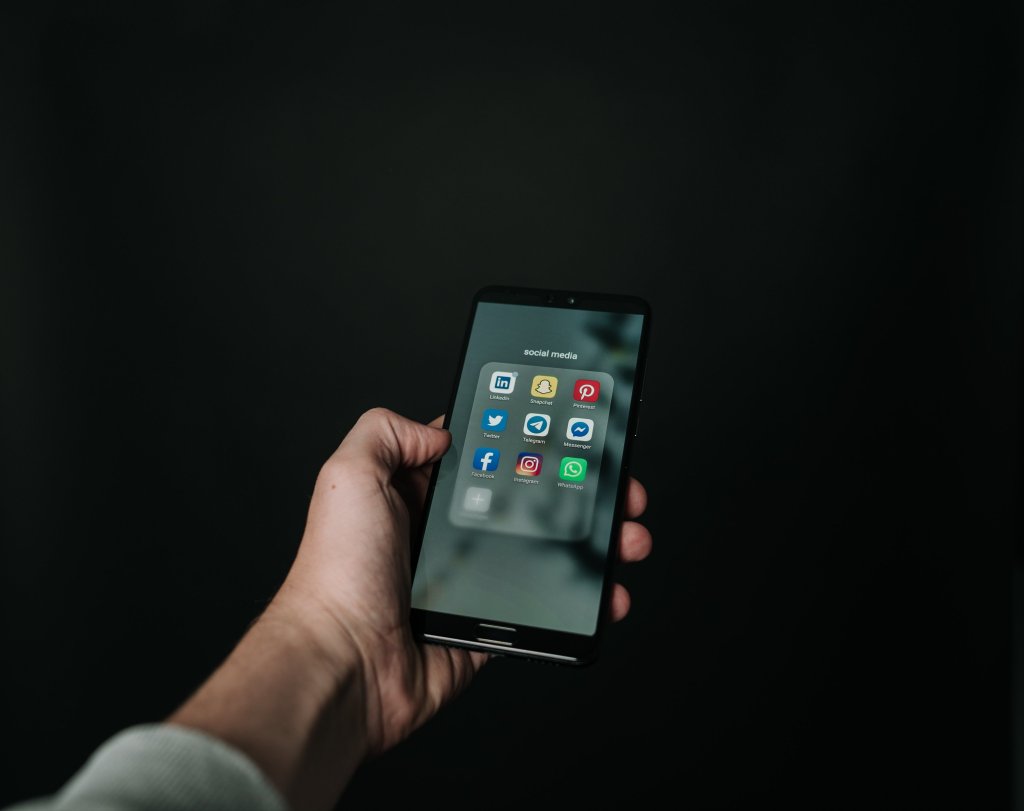
Social media platforms have become a ubiquitous part of our daily lives, with billions of people using them to connect with others, share information, and stay informed about current events. While social media platforms have many negative aspects, they can also be used for positive purposes. In this article, we will discuss the positive uses of social media platforms.
- Connecting with Friends and Family: One of the most positive uses of social media platforms is connecting with friends and family. Social media platforms allow people to stay in touch with loved ones who live far away, share updates and photos, and maintain relationships that might otherwise fade away.
- Promoting Social Causes: Social media platforms can be a powerful tool for promoting social causes and raising awareness about important issues. People can share information, news articles, and videos about causes they care about, and create online communities around shared interests.
- Networking: Social media platforms can also be used for professional networking, allowing people to connect with colleagues, find job opportunities, and build their careers. Sites like LinkedIn are specifically designed for professional networking and can be a powerful tool for job seekers and professionals.
- Finding Support: Social media platforms can also be a source of support for people going through difficult times. People can find online communities of others who are experiencing similar challenges, share their stories and experiences, and offer support and advice to one another.
- Sharing Creativity: Social media platforms are also a great place for people to share their creative work, whether it be writing, art, music, or photography. Social media platforms allow artists to reach a wider audience and connect with fans and other artists.
- Staying Informed: Social media platforms can be a great way to stay informed about current events and breaking news. People can follow news outlets and journalists on social media, and stay up-to-date on important events happening around the world.
- Inspiring Positive Change: Social media platforms can be used to inspire positive change. People can share stories of kindness and generosity, promote messages of inclusion and diversity, and inspire others to take action to make the world a better place.
- Raising Awareness and Activism: Social media can be a powerful tool for raising awareness and activism around social and political issues. Hashtags, such as #MeToo and #BlackLivesMatter, have been used to bring attention to important issues and spark conversations and change.
- Sharing Knowledge and Information: Social media platforms can also be used to share knowledge and information. People can share news articles, research studies, and educational content, helping others stay informed and learn new things.
- Mental Health Support: Social media platforms can also be a source of mental health support. People can connect with others who have similar experiences or struggles and find support and understanding. There are also mental health organizations and support groups that use social media to reach out to people in need.
- Creativity and Self-Expression: Social media platforms can be used as a creative outlet for self-expression. People can share their artwork, writing, music, and other creative projects, and receive feedback and support from others.
- Building Communities: Social media platforms can also be used to build communities around shared interests or hobbies. People can connect with others who share their passions and create spaces for conversation and collaboration.
In conclusion, while social media platforms have many negative aspects, they can also be used for positive purposes. Social media platforms can be used to connect with friends and family, promote social causes, network professionally, find support, share creativity, stay informed, and inspire positive change. To make the most of social media platforms, it is important to use them mindfully and thoughtfully and to prioritize positive interactions and relationships.
 Dr Riffat Nawab Musab