
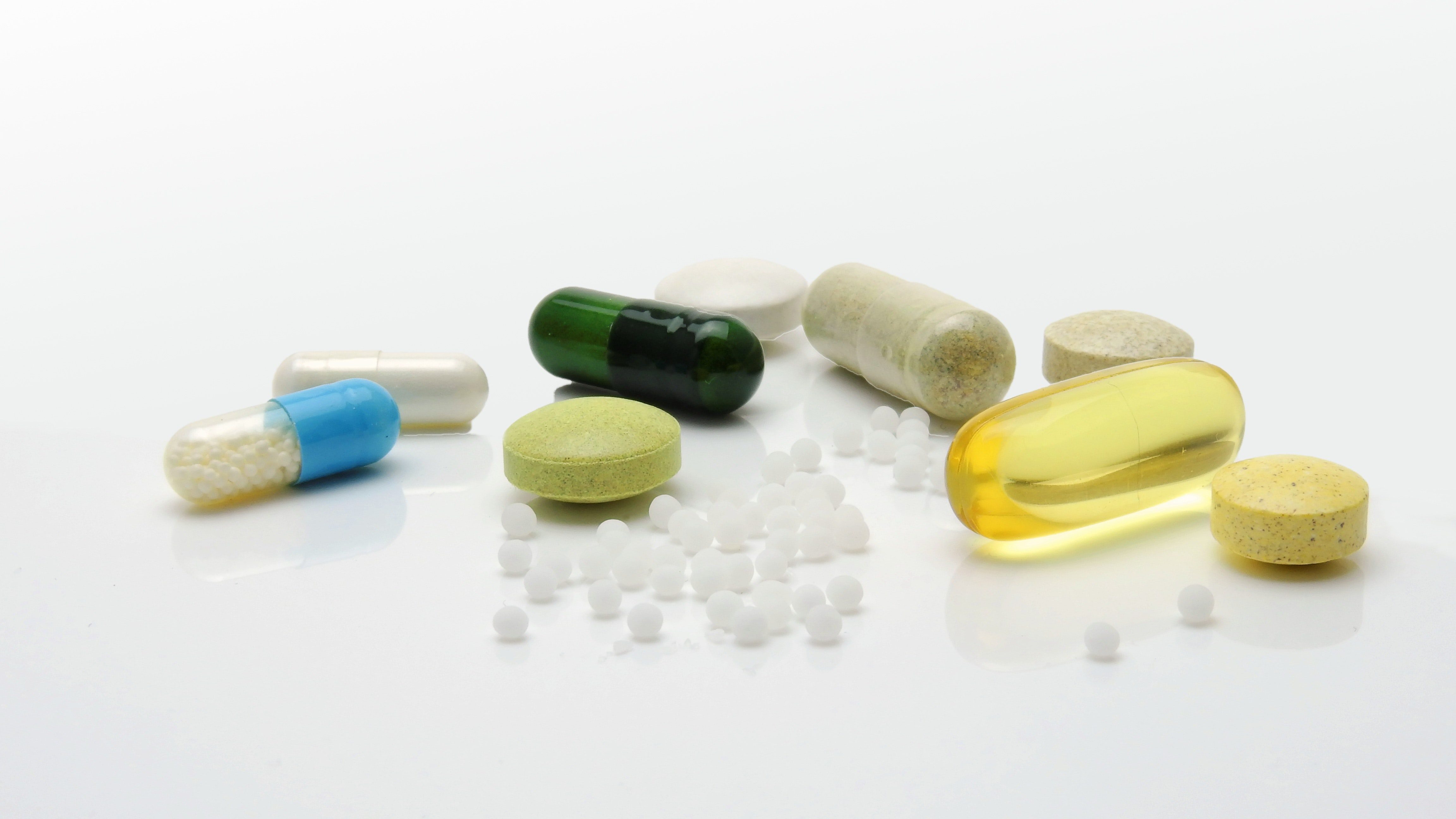
Self-medication is the practice of treating oneself with over-the-counter (OTC) medications, prescription drugs, or home remedies without consulting a healthcare professional. While self-medication can be convenient and cost-effective, it also carries significant risks and potential side effects. In this article, we will discuss the potential side effects of self-medication.
- Adverse Drug Reactions:
One of the most significant risks of self-medication is the potential for adverse drug reactions (ADR). ADRs occur when a drug interacts negatively with the body, leading to a range of side effects. ADRs can range from mild, such as nausea or dizziness, to severe, such as anaphylactic shock. Some common examples of ADRs associated with self-medication include allergic reactions, gastrointestinal disturbances, and skin rashes.
- Masking of Symptoms:
Another potential side effect of self-medication is the masking of symptoms. Many OTC medications only treat the symptoms of a condition and do not address the underlying cause. If a person self-medicates and only treats the symptoms, they may miss a more serious underlying condition. For example, a person with a persistent cough may take cough medicine to relieve the symptom without realizing that the cough is a symptom of a more severe respiratory infection.
- Delay in Seeking Medical Attention:
Self-medication can also lead to a delay in seeking medical attention. If a person self-medicates and does not see a healthcare professional when they should, they risk missing a diagnosis or delaying the treatment of a severe condition. For example, a person with a persistent headache may take pain medication to relieve the symptom without realizing that the headache is a symptom of a more severe condition such as a brain tumor.
- Drug Interactions:
Self-medication can also lead to drug interactions. If a person takes multiple medications, OTC or prescription, without consulting a healthcare professional, they risk drug interactions that can lead to severe side effects. Drug interactions can cause a range of symptoms, including dizziness, confusion, and even coma or death.
- Addiction:
Self-medication can also lead to addiction. Some OTC medications and prescription drugs can be addictive if misused or taken without medical supervision. Addiction can lead to a range of health and social problems, including overdose, withdrawal symptoms, and financial difficulties.
Conclusion:
Self-medication can be convenient and cost-effective, but it also carries significant risks and potential side effects. Adverse drug reactions, masking of symptoms, delay in seeking medical attention, drug interactions, and addiction are some of the potential side effects of self-medication. It is essential to consult a healthcare professional before taking any medication, whether OTC or prescription, to ensure that it is safe and effective for the individual. Healthcare professionals can also provide guidance on dosage, possible side effects, and potential interactions with other medications.
How to control self-medication?

Self-medication can be tempting for those who wish to avoid the hassle and expense of a visit to a healthcare professional. However, it is important to remember that self-medication can carry significant risks, including adverse drug reactions, masking of symptoms, delay in seeking medical attention, drug interactions, and addiction. In this article, we will discuss some strategies for controlling self-medication.
- Educate Yourself:
One of the most effective ways to control self-medication is to educate yourself about the risks and benefits of different medications. You can find reliable information about medications from reputable sources, such as the FDA or the National Institutes of Health. Make sure to read the label and instructions carefully before taking any medication, and never exceed the recommended dose.
- Consult a Healthcare Professional:
If you are experiencing symptoms, it is important to consult a healthcare professional before taking any medication. A healthcare professional can help diagnose your condition and provide guidance on the most appropriate treatment. If you have questions about a medication or its side effects, be sure to ask your healthcare professional.
- Follow the Treatment Plan:
If a healthcare professional prescribes medication, it is important to follow the treatment plan precisely. Do not stop taking medication without consulting a healthcare professional, even if you feel better. Stopping medication prematurely can lead to a relapse of symptoms and potentially harmful drug interactions.
- Dispose of Medications Properly:
If you have leftover medication, it is important to dispose of it properly. Do not share medication with others, as it can be dangerous and lead to adverse drug reactions. Instead, dispose of medication at a pharmacy or through a drug take-back program.
- Avoid Self-Diagnosis:
It can be tempting to try to diagnose your symptoms using online resources or asking friends and family for advice. However, self-diagnosis can be dangerous and lead to incorrect treatment. Always consult a healthcare professional for an accurate diagnosis and treatment plan.
- Avoid Unproven Remedies:
There are many unproven remedies and alternative therapies on the market that claim to cure a range of conditions. It is important to be cautious when considering these remedies, as they may not be safe or effective. Always consult a healthcare professional before trying an unproven remedy.
Conclusion:
Self-medication can carry significant risks and potential side effects. Educating yourself, consulting a healthcare professional, following the treatment plan, disposing of medication properly, avoiding self-diagnosis, and avoiding unproven remedies are all strategies for controlling self-medication. By taking these steps, you can ensure that you are receiving safe and effective treatment for your symptoms.
 Dr Riffat Nawab Musab