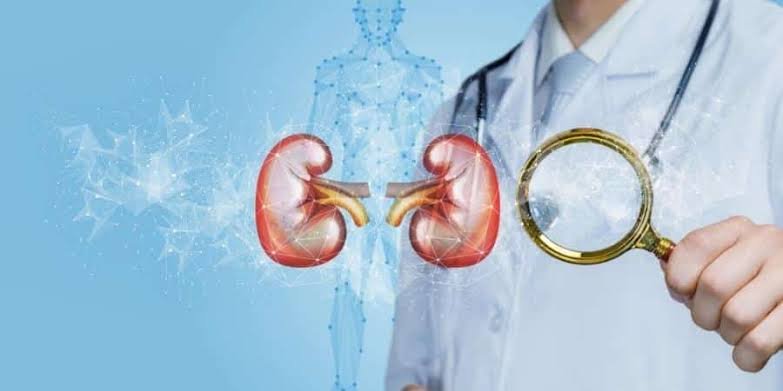
Kidney failure, also known as renal failure, is a serious medical condition in which the kidneys are unable to filter waste products from the blood. This can lead to a buildup of toxins and other harmful substances in the body, which can cause a wide range of health problems. There are several different types and stages of kidney failure, each with its own unique set of symptoms and treatment options. In this article, we will discuss the various types and stages of kidney failure, as well as the available treatments for each stage. We will also explore the role of homeopathic treatment in managing kidney failure.
Types of Kidney Failure:
There are two main types of kidney failure: acute kidney failure and chronic kidney failure.
Acute Kidney Failure: This type of kidney failure occurs suddenly, often as a result of a medical emergency such as a heart attack, severe infection, or drug overdose. Acute kidney failure can also occur due to a sudden injury to the kidneys, such as a blow to the back or abdomen. Symptoms of acute kidney failure may include decreased urine output, fluid retention, fatigue, and confusion.
Chronic Kidney Failure: This type of kidney failure develops slowly over a period of months or years. It is often caused by underlying health conditions such as high blood pressure, diabetes, or glomerulonephritis. Symptoms of chronic kidney failure may include fatigue, swelling in the hands and feet, frequent urination, and difficulty concentrating.
Stages of Kidney Failure:
Both acute and chronic kidney failure can be divided into several stages, each with its own unique set of symptoms and treatment options.
Stage 1: In this stage, kidney function is only slightly reduced, and there may be few or no symptoms.
Stage 2: Kidney function is moderately reduced in this stage, and symptoms may begin to appear, such as fatigue, swelling in the legs, and frequent urination.
Stage 3: In this stage, kidney function is significantly reduced, and symptoms become more severe. These may include nausea, vomiting, shortness of breath, and difficulty sleeping.
Stage 4: Kidney function is severely reduced in this stage, and patients may experience symptoms such as anemia, muscle cramps, and confusion.
Stage 5: Also known as end-stage renal disease (ESRD), this is the most advanced stage of kidney failure. In this stage, the kidneys are no longer able to function properly, and patients may require dialysis or a kidney transplant to survive.
Treatments for Kidney Failure:
The treatment options for kidney failure depend on the type and stage of the condition, as well as the underlying cause. Some of the most common treatments include:
Medications: Medications may be used to control symptoms and slow the progression of kidney failure. These may include blood pressure medications, cholesterol-lowering drugs, and medications to control blood sugar levels.
Dialysis: Dialysis is a medical procedure that uses a machine to filter waste products from the blood. There are two main types of dialysis: hemodialysis, which involves using an artificial kidney machine, and peritoneal dialysis, which involves using the lining of the abdomen to filter waste.
Kidney Transplant: A kidney transplant involves replacing a diseased kidney with a healthy one from a donor. This is often the best option for patients with end-stage renal disease.
Homeopathic Treatment of Kidney Failure:
Homeopathic treatment involves using highly diluted substances to stimulate the body’s natural healing processes. There are several homeopathic remedies that may be used to manage the symptoms of kidney failure.
Homeopathy is a form of alternative medicine that uses highly diluted substances to stimulate the body’s natural healing processes. It is a safe and effective form of treatment for a wide range of health conditions, including kidney failure. Homeopathic remedies can help to manage the symptoms of kidney failure, improve kidney function, and slow the progression of the disease. In this article, we will explore the use of homeopathic treatment for kidney failure.
Understanding Kidney Failure:
Kidney failure, also known as renal failure, is a serious medical condition in which the kidneys are unable to filter waste products from the blood. This can lead to a buildup of toxins and other harmful substances in the body, which can cause a wide range of health problems. There are several different types and stages of kidney failure, each with its own unique set of symptoms and treatment options.
The Causes and Symptoms of Kidney Failure:
Kidney failure can be caused by a variety of factors, including underlying health conditions such as high blood pressure, diabetes, or glomerulonephritis. Symptoms of kidney failure may include fatigue, swelling in the hands and feet, frequent urination, difficulty concentrating, nausea, vomiting, shortness of breath, and difficulty sleeping.
Homeopathic Treatment of Kidney Failure:
Homeopathic remedies work by stimulating the body’s natural healing processes, helping to improve kidney function, and reducing the symptoms of kidney failure. Some of the most common homeopathic remedies used to treat kidney failure include:
Apis Mellifica: This remedy is often used to treat symptoms such as swelling in the hands and feet, urinary tract infections, and inflammation of the kidneys.
Cantharis: This remedy is often used to treat symptoms such as burning pain during urination, frequent urination, and inflammation of the kidneys.
Lycopodium: This remedy is often used to treat symptoms such as fatigue, weakness, and dehydration.
Nux Vomica: This remedy is often used to treat symptoms such as nausea, vomiting, and digestive problems.
Phosphorus: This remedy is often used to treat symptoms such as fatigue, weakness, and muscle cramps.
Silicea: This remedy is often used to treat symptoms such as swelling in the hands and feet, frequent urination, and inflammation of the kidneys.
Homeopathic remedies are typically prepared from natural substances such as plants, minerals, and animal products. They are highly diluted and potentized to enhance their healing properties and minimize any potential side effects. Homeopathic treatment for kidney failure is often tailored to the individual patient’s symptoms and overall health status, and may involve a combination of different remedies.
Benefits of Homeopathic Treatment for Kidney Failure:
Homeopathic treatment offers several benefits for patients with kidney failure. These include:
Safe and natural: Homeopathic remedies are prepared from natural substances and are free from harmful chemicals and toxins, making them safe and gentle on the body.
Non-invasive: Homeopathic treatment does not involve any invasive procedures or surgeries, making it a less stressful and more comfortable form of treatment.
Holistic: Homeopathy treats the whole person, taking into account not just their physical symptoms but also their emotional and mental well-being.
Customized: Homeopathic treatment is tailored to the individual patient’s symptoms and overall health status, making it a more personalized form of treatment.
Affordable: Homeopathic remedies are typically less expensive than traditional medical treatments, making them a more affordable option for patients.
Conclusion:
Homeopathic treatment offers a safe, effective, and affordable form of treatment for patients with kidney failure. Homeopathic remedies can help to manage the symptoms of kidney failure, improve kidney function, and slow the progression of the disease. If you are interested in exploring homeopathic treatment for kidney failure, you can contact any classical homeopathic doctor. In case of overseas you can consult us online. http://www.riffatnawab.com
Homeopathy is a form of alternative medicine that was developed in the late 18th century by a German physician named Samuel Hahnemann. It is based on the principle of “like cures like,” which means that a substance that causes symptoms in a healthy person can be used in diluted form to treat similar symptoms in a sick person.
According to the principles of homeopathy, each person is unique and must be treated as an individual, taking into account their physical, mental, and emotional symptoms. Homeopathic remedies are prepared by diluting a substance in water or alcohol and then vigorously shaking it. This process is called succussion and is believed to transfer the healing properties of the substance to the diluent.
Homeopathy uses very small doses of the remedy, often diluted to the point where no molecules of the original substance remain. This is called “potentization,” and it is believed to make the remedy more effective by increasing its energetic or vibrational qualities.
Homeopathic remedies are chosen based on the principle of “totality of symptoms,” which means that the remedy must match all the physical, mental, and emotional symptoms of the person being treated. Homeopathy is used to treat a wide range of conditions, including acute illnesses like colds and flu, chronic conditions like allergies and asthma, and mental health disorders like anxiety and depression.
Critics of homeopathy argue that the dilution process renders the remedies ineffective and that any perceived benefits are due to the placebo effect. Despite these criticisms, homeopathy continues to be used by millions of people around the world and is recognized as a legitimate form of healthcare in many countries.
• Nose bleed, before, during and from suppressed menses.
Face
• Pale.
• Neuralgia, with profuse lachrymation, agg. chewing, talking, or with hot or cold things in the mouth.
• Lips cracked; peeling; swollen.
• Licks lips.
• Crack in centre of lower lip.
– Acne in young girls.
Mouth
• Breath offensive.
• Dry or slimy; without thirst.
– Drawing toothache amel. cold.
• Taste; bad in a.m. ; loss of; from coryza; greasy, bloody; sweet; alternating.
• Tongue; yellow white; feels scalded.
• Much sweet saliva.
• Food; leaves an after taste.
• Taste bitter esp. for bread.
• Diminished taste to all food.
• Saliva; tenacious; frothy cotton like.
Throat
• Food lodges in.
– Dry; sore with sense of dysphagia.
• Sensation of worm wriggling up.
• As of a sulphur vapour when coughing.
Stomach
• Aversion; to water, fats, pork, bread, milk, smoking, warm food and drink.
• Craves; acids or what disagrees; refreshing things, pungent things, herring, cheese.
• Food taste too salty.
• Onions disagree.
• Sudden loathing; agg. eating.
• Eructations, taste of food, remain a long time.
• Nausea.
• heartburn.
• Thirstlessness; with nearly all complaints.
• Vomiting of food eaten long before.
• Visible pulsations in the pit of stomach.
• Stitching pain agg. walking or misstep.
• Weight as from a stone.
– Stomach DERANGED; FEELS HEAVY.
• Hiccough when smoking tobacco.
• Hunger; but does not know for what.
Abdomen
• Cutting; pulsation; in epigastrium.
• Painful, distended; loud rumbling.
• Pressure as from a stone.
• Feeling of numbness.
• Pains extend into groins.
• Stools; changeable, not two stools alike; green, bilious; agg. after midnight.
• Two or three normal stools daily.
• Hard painful lumps in both groins.
• Blind piles, agg. menses, lying down.
• Diarrhoea in jaundice, with sensation of heat.
• Discharge of blood from rectum even when not at stool.
• Diarrhoea after fright.
Urinary
• Urination; involuntary of lying down, laughing, coughing; sneezing; hearing sudden noise; after pleasurable surprise; shock; passing flatus; during sleep esp. in little girls.
• Haematuria after urination.
• Heavy pressure or cramp in bladder, after urination.
• Sensation as of a stone rolling in the bladder.
• Urine dribbles when angry.
• Urging to urinate when lying on back.
• Stricture of urethra, urine comes in drops or stops and starts.
Male
• Burning down left spermatic cord.
• Acute prostatitis; enlarged prostate.
• Orchitis; gonorrhoeal; or from sitting on cold stones.
• Epididymitis.
• Testicles hang low down.
• Bloody emissions.
• Thick yellow discharge, late stage of gonorrhoea.
Female
• Amenorrhoea; from wet feet; nervous debility or anaemia.
• Feels like menstruating.
• Menses; dark thick; Too Late Scanty; after bathing; clotted, changeable, intermittent, irregular, vicarious; Delayed at puberty.
• Dysmenorrhoea.
• Leucorrhoea; milky, thick like cream, with pain in the back and exhaustion, acrid.
• Weak labour pains.
• Bearing down agg. lying.
• After pains; too long and too violent.
• Mammae; sore aching; lumps in; in girls before puberty.
• Thin milky fluid escapes from mammae in virgins; before puberty;.
• Milk; suppressed, scanty.
– Post-partum secondary haemorrhages from retained placenta.
• Weeps every time, the child is put to breast.
• Swelling of breasts after weaning.
• Galactorrhoea.
• Secretion of milk during menses.
• Maldisposion of foetus.
Respiratory
• Short Breath agg. lying on left side; smothering sensation on lying down; agg. if heated, open air.
– Cough; loose in the morning, dry in the evening and at night; must sit up in bed to get relief.
– Expectoration thick, purulent, slimy; sweet, saltish, bitter as it loosens up.
• Cough dry, hacking from tickling in epigastrium.
• Chest oppressed; as by a load.
• Soreness, or stitch beneath clavicles.
• Hoarseness comes and goes.
• Asthma from suppressions.
• Cough after measles.
Heart
• Palpitation; agg. lying on left side, anxious; with amenorrhoea; from emotions; after dinner.
• Catching pain, with short breath amel. by pressure of a hand and walking.
Back
• As if cold water was poured down the back.
• Pain in back land small of back as from prolonged stooping.
• Curvature of the upper part of the spine.
• Shooting pain in the nape and back.
• Backache agg. lying on back, amel. lying on sides or changes of position, esp. so during pregnancy.
• Back feels bandaged.
• Pain in sacrum on sitting.
Extremities
• Rapidly shifting pains in limbs.
• Arms feel broken and dislocated.
• Elbows numb.
• Joints; swollen; red.
• Dorsum of foot swollen, oedematous.
• Pains down lower limbs, alternating sides.
• Legs heavy.
• Sticking in tibia agg. lying amel. cool air and walking.
• Cold sweat on legs.
• Foul foot sweat.
• Veins full, varicose, painful.
• Milk leg.
• Periostitis.
• White swelling of knee.
• Inclination to stretch the feet.
• Numbness in legs when remaining long standing.
Skin
• Glands swollen.
• Ulcers; with hard, red glistening areolae.
• Varicose.
• Itches on being heated.
• Urticaria; after rich food; with diarrhoea; from delayed menses; after undressing.
• Measles.
Sleep
• Great sleepiness during day, wakes confused; languid, unrefreshed.
• Lies; with hands over head or crossed on abdomen, and feet drawn up.
• Dreams; frightful, disgusting, voluptuous, confused of cats, etc.
• Chattering in sleep.
• Talks, whines or screams during sleep.
Fever
• Chilly; yet averse to heat; in Warm Room; with pain; on lying down at night.






 Dr Riffat Nawab Musab