
Biochemistry of Obesity and female health issues due to obesity

Obesity is a complex health issue that affects millions of people worldwide. It occurs when a person has an excessive amount of body fat, which can lead to a variety of health problems. In this article, we will discuss the biochemistry of obesity and the specific health issues that women may experience due to obesity.

<p class="has-medium-font-size" id="<head>-<script-async-src="https://pagead2.googlesyndication.com/pagead/js/adsbygoogle.js?client=ca-pub-6918702732375706"——crossorigin="anonymous"></script>-Biochemistry of Obesity:

Obesity is a result of an imbalance between energy intake and energy expenditure. When a person consumes more calories than they burn, the excess calories are stored in the body as fat. This can lead to an increase in body weight and body fat percentage.

The biochemistry of obesity is complex and involves a variety of hormones and signaling molecules. One important hormone that is involved in the regulation of body weight is leptin. Leptin is produced by adipose tissue (fat cells) and acts on the hypothalamus to decrease appetite and increase energy expenditure. However, in obesity, the body may become resistant to the effects of leptin, leading to an increase in appetite and a decrease in energy expenditure.

Another hormone that is involved in the regulation of body weight is insulin. Insulin is produced by the pancreas and is involved in the regulation of glucose metabolism. In obesity, the body may become resistant to the effects of insulin, leading to an increase in blood glucose levels and an increased risk of type 2 diabetes.

Female Health Issues Due to Obesity:

Obesity can have a significant impact on a woman’s health. Here are some specific health issues that women may experience due to obesity:

  1. Polycystic Ovary Syndrome (PCOS): PCOS is a condition that affects women of reproductive age. It is characterized by hormonal imbalances that can lead to irregular periods, infertility, and the development of ovarian cysts. Obesity is a significant risk factor for PCOS, as it can lead to insulin resistance and hormonal imbalances.
  2. Menstrual Irregularities: Obesity can lead to menstrual irregularities, including heavy bleeding and irregular periods. This is because excess body fat can disrupt the balance of hormones that regulate the menstrual cycle.
  3. Pregnancy Complications: Obesity can increase the risk of pregnancy complications, including gestational diabetes, high blood pressure, and pre-eclampsia. Additionally, obesity can make it more difficult to conceive and may increase the risk of miscarriage.
  4. Breast Cancer: Obesity is a significant risk factor for breast cancer in postmenopausal women. This is because excess body fat can lead to an increase in estrogen levels, which can promote the growth of breast cancer cells.
  5. Cardiovascular Disease: Obesity increases a woman’s risk of developing cardiovascular disease. This is because excess body fat can lead to an increase in blood pressure, cholesterol levels, and inflammation, all of which are risk factors for cardiovascular disease.

In conclusion, obesity is a complex health issue that can have a significant impact on a woman’s health. The biochemistry of obesity involves a variety of hormones and signaling molecules that are involved in the regulation of body weight. Women may experience a variety of health issues due to obesity, including PCOS, menstrual irregularities, pregnancy complications, breast cancer, and cardiovascular disease. If you are concerned about your weight and its impact on your health, it is important to speak with your healthcare provider to discuss your options for weight management and to develop a plan to maintain a healthy weight.
Obesity: causes and side effects

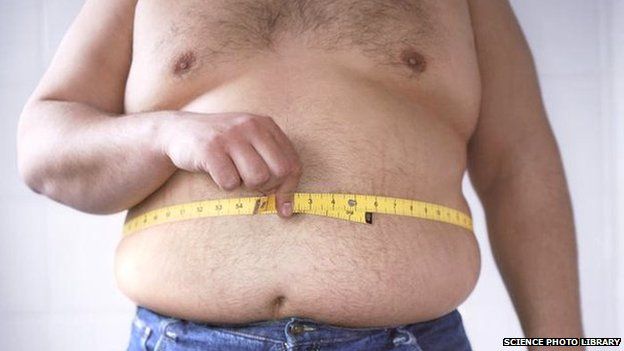
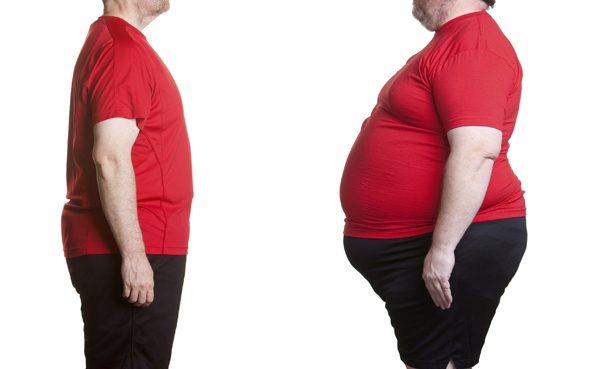
Obesity is a condition that occurs when a person has an excessive amount of body fat. It is a serious and complex health issue that affects millions of people worldwide. The World Health Organization (WHO) defines obesity as a body mass index (BMI) of 30 or higher.

Obesity is caused by a variety of factors including genetics, lifestyle, and environmental factors. In this article, we will discuss the causes of obesity and the potential side effects that it can have on a person’s health.

Causes of Obesity:

  1. Genetics: Genetics play a significant role in the development of obesity. Studies have shown that children of obese parents are more likely to be obese themselves. This suggests that genetics play a significant role in the development of obesity.
  2. Lifestyle: Lifestyle factors such as a lack of physical activity, unhealthy eating habits, and sedentary behavior can contribute to the development of obesity. Consuming foods that are high in fat and sugar can increase a person’s risk of becoming obese.
  3. Environmental factors: Environmental factors such as access to unhealthy food options, food marketing, and a lack of safe places to exercise can contribute to the development of obesity. Additionally, socio-economic factors such as poverty can also contribute to obesity.

Side Effects of Obesity:

  1. Diabetes: Obesity is a significant risk factor for developing type 2 diabetes. This is because excess body fat can make it difficult for the body to use insulin properly.
  2. Heart Disease: Obesity increases a person’s risk of developing heart disease. This is because excess body fat can lead to an increase in blood pressure and cholesterol levels, both of which are risk factors for heart disease.
  3. Stroke: Obesity is also a risk factor for stroke. This is because excess body fat can lead to a buildup of plaque in the arteries, which can lead to a stroke.
  4. Joint Problems: Obesity can lead to joint problems such as osteoarthritis. This is because excess body fat can put additional pressure on the joints, leading to wear and tear over time.
  5. Sleep Apnea: Obesity is a significant risk factor for developing sleep apnea. This is because excess body fat can lead to a narrowing of the airways, which can cause breathing difficulties during sleep.
  6. Mental Health Issues: Obesity can also have a negative impact on a person’s mental health. Studies have shown that obesity is associated with an increased risk of depression and anxiety.

In conclusion, obesity is a serious health issue that can have a significant impact on a person’s health and well-being. It is caused by a combination of genetics, lifestyle factors, and environmental factors. The potential side effects of obesity are numerous and can include diabetes, heart disease, stroke, joint problems, sleep apnea, and mental health issues. If you are concerned about your weight, it is important to speak with your healthcare provider to discuss your options for weight management and to develop a plan to maintain a healthy weight.

Homeopathic treatment for obesity

Homeopathy is a form of alternative medicine that uses highly diluted natural substances to stimulate the body’s natural healing abilities. While the effectiveness of homeopathy in treating obesity is still a topic of debate, many people turn to homeopathic remedies to aid in their weight loss journey. In this article, we will discuss the use of homeopathic treatment for obesity.

What is Homeopathy?

Homeopathy is a form of medicine that was developed in the late 18th century by German physician Samuel Hahnemann. It is based on the principle of “like cures like,” which means that a substance that causes symptoms in a healthy person can be used to treat those same symptoms in a sick person. Homeopathic remedies are highly diluted, making them safe for use without the risk of side effects.

Homeopathic Treatment for Obesity:

Homeopathic remedies are often used as part of a holistic approach to weight loss. They are not a magic solution for obesity, but rather a supportive tool that can aid in the process of weight loss. Homeopathic remedies are typically prescribed based on the individual’s specific symptoms and overall health.

Some common homeopathic remedies for weight loss include:

  1. Calcarea Carbonica – This remedy is often prescribed for people who have a tendency to gain weight easily and have a slow metabolism. It is also commonly used for people who have a craving for sweets and dairy products.
  2. Natrum Mur – This remedy is often prescribed for people who have a tendency to retain fluids and are prone to emotional eating. It is also commonly used for people who have a craving for salty foods.
  3. Lycopodium – This remedy is often prescribed for people who have a slow metabolism, especially in the morning. It is also commonly used for people who have a craving for sweets and have digestive issues.
  4. Nux Vomica – This remedy is often prescribed for people who have a tendency to overeat and have digestive issues. It is also commonly used for people who have a craving for spicy and fatty foods.
  5. Phytolacca – This remedy is often prescribed for people who have a tendency to gain weight in the abdomen and hips. It is also commonly used for people who have a craving for salty and spicy foods.

It is important to note that homeopathic remedies should be used as part of a comprehensive weight loss plan that includes a healthy diet and exercise. Homeopathy alone cannot lead to significant weight loss, but it can aid in the process and help to address underlying health issues that may be contributing to weight gain.

Obesity and sexual health issues

Obesity is a growing public health concern, affecting millions of people worldwide. It occurs when a person has an excessive amount of body fat, which can lead to a variety of health problems, including sexual health issues. In this article, we will discuss the relationship between obesity and sexual health issues.

Obesity and Sexual Function in Men:

Obesity can have a negative impact on sexual function in men. One study found that men with a body mass index (BMI) of 30 or higher were more likely to experience erectile dysfunction (ED) than men with a lower BMI. ED is a condition in which a man has difficulty achieving or maintaining an erection. Obesity can lead to ED by causing damage to blood vessels and nerves, which are important for erectile function.

Obesity can also lead to a decrease in testosterone levels in men. Testosterone is a hormone that plays a key role in sexual function, and low levels of testosterone can lead to a decrease in libido (sexual desire) and erectile function.

Obesity and Sexual Function in Women:

Obesity can also have a negative impact on sexual function in women. One study found that women with a BMI of 30 or higher were more likely to experience sexual dysfunction than women with a lower BMI. Sexual dysfunction in women can include a decrease in libido, difficulty achieving orgasm, and pain during intercourse.

Obesity can lead to sexual dysfunction in women by causing hormonal imbalances. Excess body fat can lead to an increase in estrogen levels, which can disrupt the balance of hormones that are important for sexual function.

Obesity and Infertility:

Obesity can also lead to fertility issues in both men and women. In men, obesity can lead to a decrease in testosterone levels, which can lead to a decrease in sperm production and quality. In women, obesity can lead to hormonal imbalances, which can disrupt the menstrual cycle and make it more difficult to conceive.

Obesity and Sexually Transmitted Infections (STIs):

Obesity can also increase the risk of contracting sexually transmitted infections (STIs). One study found that women with a BMI of 30 or higher were more likely to have an STI than women with a lower BMI. This may be due to the fact that obesity can weaken the immune system, making it more difficult for the body to fight off infections.

Obesity and Body Image:

Obesity can also have a negative impact on body image, which can lead to sexual health issues. People who are overweight or obese may feel self-conscious about their bodies, which can lead to a decrease in sexual desire and satisfaction.

In conclusion, obesity can have a significant impact on sexual health. Obesity can lead to sexual dysfunction, fertility issues, an increased risk of STIs, and body image issues. If you are concerned about your weight and its impact on your sexual health, it is important to speak with your healthcare provider to discuss your options for weight management and to develop a plan to maintain a healthy weight.
Obesity: Causes and Side Effects

Obesity

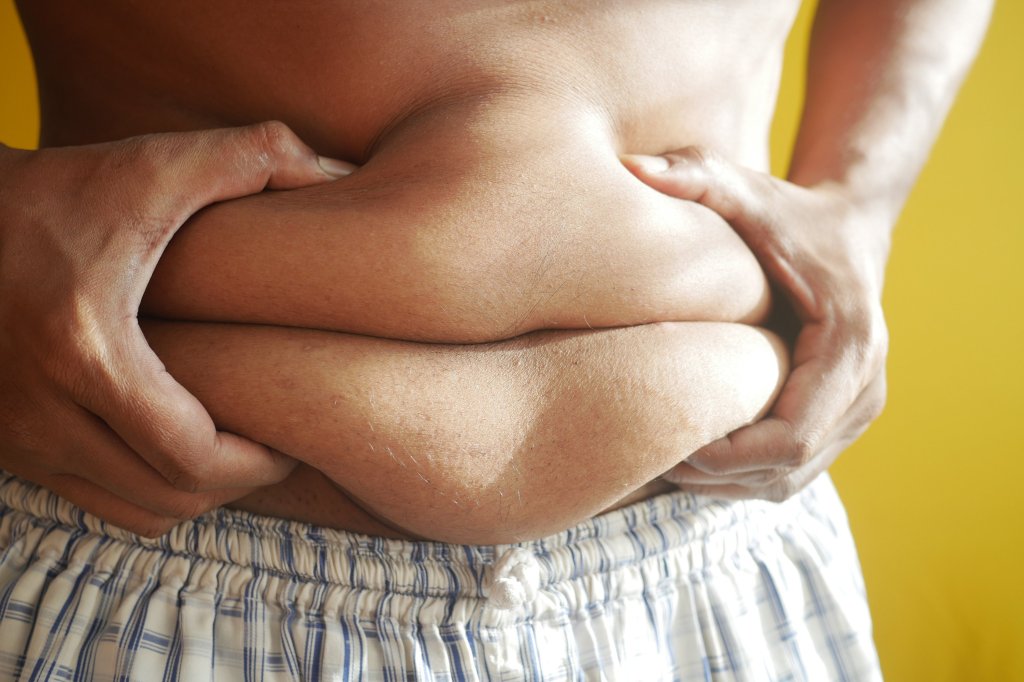
Obesity is a condition that occurs when a person has an excessive amount of body fat. It is a serious and complex health issue that affects millions of people worldwide. The World Health Organization (WHO) defines obesity as a body mass index (BMI) of 30 or higher.

Obesity is caused by a variety of factors including genetics, lifestyle, and environmental factors. In this article, we will discuss the causes of obesity and the potential side effects that it can have on a person’s health.

Causes of Obesity:

  1. Genetics: Genetics play a significant role in the development of obesity. Studies have shown that children of obese parents are more likely to be obese themselves. This suggests that genetics play a significant role in the development of obesity.
  2. Lifestyle: Lifestyle factors such as a lack of physical activity, unhealthy eating habits, and sedentary behavior can contribute to the development of obesity. Consuming foods that are high in fat and sugar can increase a person’s risk of becoming obese.
  3. Environmental factors: Environmental factors such as access to unhealthy food options, food marketing, and a lack of safe places to exercise can contribute to the development of obesity. Additionally, socio-economic factors such as poverty can also contribute to obesity.

Side Effects of Obesity

  1. Diabetes: Obesity is a significant risk factor for developing type 2 diabetes. This is because excess body fat can make it difficult for the body to use insulin properly.
  2. Heart Disease: Obesity increases a person’s risk of developing heart disease. This is because excess body fat can lead to an increase in blood pressure and cholesterol levels, both of which are risk factors for heart disease.
  3. Stroke: Obesity is also a risk factor for stroke. This is because excess body fat can lead to a buildup of plaque in the arteries, which can lead to a stroke.
  4. Joint Problems: Obesity can lead to joint problems such as osteoarthritis. This is because excess body fat can put additional pressure on the joints, leading to wear and tear over time.
  5. Sleep Apnea: Obesity is a significant risk factor for developing sleep apnea. This is because excess body fat can lead to a narrowing of the airways, which can cause breathing difficulties during sleep.
  6. Mental Health Issues: Obesity can also have a negative impact on a person’s mental health. Studies have shown that obesity is associated with an increased risk of depression and anxiety.

In conclusion, obesity is a serious health issue that can have a significant impact on a person’s health and well-being. It is caused by a combination of genetics, lifestyle factors, and environmental factors. The potential side effects of obesity are numerous and can include diabetes, heart disease, stroke, joint problems, sleep apnea, and mental health issues. If you are concerned about your weight, it is important to speak with your healthcare provider to discuss your options for weight management and to develop a plan to maintain a healthy weight.