
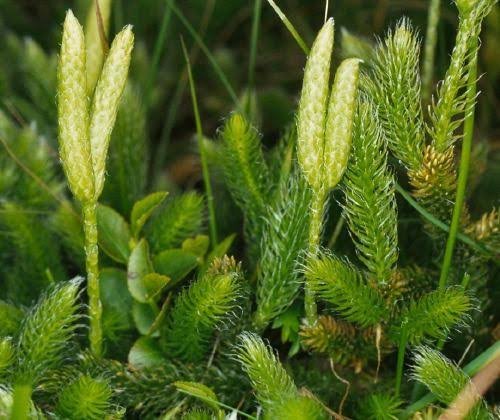
Lycopodium clavatum
Generalities
• It is called vegetable sulphur.
• It affects the NUTRITION; DUE TO WEAKNESS OF DIGESTION.
• Acts upon URINARY ORGANS and most of the symptoms develop on the RIGHT SIDE and go to the l eft; THROAT; chest, ovary.
• Ailments develop gradually; weakening the functional power; the function of liver is seriously disturbed.
• Deep seated progressive chronic diseases.
– Repeating symptoms or alternating symptoms; chill after chill, flushing the n paling; flexion then extension; automatic acts.
– Relapsing conditions.
• Prostration of mind and body.
• It is adapted to old persons; or who become old early, where the skin show yellowish spots; or to precocious weakly children.
– Lyco. patients are intellectually keen but of weak muscular power; lack vital heat; circulation poor; it seems to stand still; with cold, numb extremities, or numbness may appear in spots.
• Sudden symptoms pains come and go suddenly; or cause anger, jerking etc.
• The patient is thin, withered and FULL OF GAS.
• ACIDITY; sour, taste, eructations etc.
• Descending symptoms, colds, emaciation etc.
– Calculi; gall stones, gravel.
• Dropsy; ascites in liver diseases.
– Coldness; partial, head, throat etc.
• Dryness; of palms, soles, vagina, skin etc.
• Rawness; in folds, anus, nipple etc.
• Formication of affected limbs.
• Paralysis.
• Carcinoma.
• Inflammation of bones, mostly at ends; softening and caries of bones.
• Spasms with screaming, foaming at the mouth; throwing the arms about.
– Oversensitive, to pain; patient is besides himself.
• Sense of internal paralysis.
• Lithic acid diathesis.
• Ill effects of fear, fright, changrin, anger, anxiety, fevers; overlifting; masturbation; riding in a carriage.
• Tobacco chewing.
• Wine.
• One side of the body hypertrophied at change of life, in women.
• Atrophy of infants.
• Haemorrhages; dark blood.
• Erectile tumours.
• Boils recurring periodically.
• Emaciation and debility from loss of fluids.
Worse
• PRESSURE OF CLOTHES.
• WARMTH.
– Awakening.
• Wind.
• Eating; even a little; or to satiety; oysters.
– Indigestion.
• 4 to 8 p.m.
• Wet weather, stormy weather.
• Pressure.
• Before, or from suppressed menses.
• Milk.
• Vegetables, cabbages, beans; bread, pastry.
Better
• WARMS DRINKS; food.
• Cold applications.
• Motion.
– Eructations.
• Urinating.
• After midnight.
Mind
– Confusion over daily affairs.
• Mentally, active but grows weaker.
• Melancholy; afraid to be alone, of men; of his own shadow.
– Sensitive, weeps when thanked; or meeting a friends.
• Fearsome; dread of men; presence of new persons, of everything, even ringing of door bell.
• Loss of self confidence; from anticipation; averse to undertaking new things; yet when he undertakes it he goes through with ease and comfort.
• AWAKES; ANGRY, sad and anxious.
• Vehement; headstrong.
– Domineering; exacting; reserved, or despairing.
• Spells or writes wrong words of syllables.
• Can not bear to see anything new.
• Can not read what he writes.
• Hurried when eating.
• Incipient paralysis of brain.
• Weeps all day.
• Sad, on hearing distant music; or cheerful and merry.
• Hateful.
• Cranky.
• Miserly.
• Brainfag; after influenza.
• Anxious thoughts as if about to die.
• Indecision.
• Timidity.
• Resignation.
• Misanthrophic, flies even from his children.
– Amative.
• Distrustful; fault finding.
• Suspicious.
Head
• Shakes head without any apparent cause; or involuntarily, slow first, then rapid.
• Vertigo when looking at anything turning.
• Head cold.
• Pain in temples as if screwed together, agg. menses.
• Pain begins on one side goes to other where it is worse.
• Headache, agg. if not eating regularly; lying down, stooping, amel. uncovering.
• Pulsating pain in occiput; at night, agg. when hot.
• Hair falls, becomes gray early.
• Premature baldness; after abdominal affections; parturition.
– Deep furrows on forehead in abdominal, pulmonary and brain affections; and in misers.
• Dandruff.
• Hydrocephalus.
• Meningitis; tubercular.
• Catarrhal headache agg. when discharge from nose is slacked up.
• Throbbing after every spell of cough; pains when pressing at stools.
Eyes
• Half open.
• Haemiopia.
• Day-blindedness more.
• Sparks before the eyes; inn the dark.
• Styes on lids towards the inner canthi.
• Polypus on external canthi.
• Cataract; with suppressed menses.
• Feel cold, hot, seems too large.
Ears
• Humming and roaring; with hardness of hearing; every noise causes peculiar echo in ear.
• Thick yellow offensive discharge, with deafness.
• Eczema about and behind the ears.
• As if hot blood rushed into cars.
Nose
• Nose stopped up; snuffles; breathes through mouth; child starts from sleep rubbing the nose.
– Fan like motion of alae nasi; in brain, lung and abdominal troubles.
• Feeling of dryness posteriorly.
• Ozaena; acrid.
• Chronic coryza; blows nose often.
• Nasal troubles from childhood.
• Acute smell.
Face
• Yellowish; pale; gray; with blue circles around the eyes.
• Face withered, shrivelled and emaciated.
• Flushes of heat.
• Twitchings.
– Mouth Hangs open.
– Sore lips.
• Twists face and mouth.
• Silly expression.
Mouth
• Toothache, with swelling of cheek amel. warm application.
• Tongue; dry; black; cracked, stiff heavy; swollen, lous to and fro or is darted out rapidly; trembling; painful ulcer on tip or below tongue.
• Speech indistinct; stammers the last word.
• Saliva dries on palate and lips.
• Dryness without thirst.
• Lower jaw drops; in fever.
• Teeth yellow.
• Mouth waters.
• Gums bleed when touched or cleaning teeth.
• Taste; too acute; sour, bitter, mouldy.
• Small tumours in mouth in various places.
Throat
• Feeling as of a hard body in oesophagus.
• A ball rises and sticks in throat.
– Sore throat; agg. cold drinks.
• Swelling and suppuration of tonsils.
• Chronic enlargement of the tonsils.
• Diphtheria – deposits spread from right to left.
• Food and drinks come through nose; on swallowing.
• Throat cold.
• As of a ball rose up in.
• Feeling of contraction provoking constant swallowing.
Stomach
• Digestion weak.
• Loss of appetite.
– Hunger, but quick satiety.
• EATING EVER SO LITTLE CREATES FULNESS.
• Hiccough.
– Incomplete burning eructations; rise only to pharynx and then burns for hours.
• Farinaceous and flatulent food, cabbage, beans, oysters disagrees.
• Sensation as if fasting after meals, but without hunger.
• Desire for sweet things.
• Aversion to soup, to bread.
• Canine hunger the more he eats, the more he craves.
• Wakes at night feeling hungry.
• Vomits; food and bile; coagulated blood; dark greenish masses, after eating and drinking.
• Cancer; perforating ulcer.
• Churning sensation in.
• Gnawing in stomach, amel. drinking hot water.
• Desire for sweets, delicacies, pastries etc.
• Food tastes sour.
• Likes to take drink and food hot.
• Coldness in stomach.
• Bad effects of onions.
Abdomen
• Epigastirc; anxiety; pressure.
• As of a band about waist.
• FLATULENCE; MUCH; NOISY, pressing out; amel. lower bowels.
• Sensitive congested liver.
• Chronic hepatitis; atrophic; nutmeg liver.
• Sensation of something moving up and down; or as of a hard body rolli ng, when turning to the right side.
• Ascites; from liver diseases.
• Soreness agg. hypogastrium alternating sides.
• Brown spots on.
• Colic in babies agg. evening.
• Constipation; of children; ineffectual urging from contraction of sphincters; feeling as if much remained unpassed after stools.
• Stools; contain sand, small, difficult, first parts is hard, is difficult to expel, last part is soft or thin and gushing; followed by faintness and weakness.
• Haemorrhoids, aching; painful to touch amel. hot bathing.
• Alternate diarrhoea and constipation.
• Rawness of anus.
• Constipation when away from home or travelling.
• Chilliness in the rectum before stools.
• Constipation or diarrhoea during pregnancy.
• Gastro enteritis from fright.
• Diarrhoea from cold drinks.
• Continued burning in rectum.
Urinary
• Frequent urging to urinate amel. riding in cars.
• Renal colic in ureter (right) to bladder.
• Urine; scanty; cries before urinating; (esp. children who wake up from pain, with screaming, and toss the limbs about); red sand in; slow in coming must strain; suppressed; retained.
• Urine; milky, turbid.
• Polyuria, during the night.
• Haematuria.
• Involuntary urination (esp. in fever), or from fright during coition.
• Urinary blood; with paraplegia or sometimes with constipation.
• Urine burning hot.
Male
– Sexual exhaustion; impotence; erections feeble; falls asleep during coition.
• Yellow tumour corona glandis.
• Exhausting pollutions.
• Enlarged prostate.
• Premature seminal emission
Female
• Menses; of clots and serum; discharge of blood from genitals during at stools.
• Vagina; dry, burning agg. during and after coition.
– Leucorrhoea, acrid; periodical; milky; agg. before full moon.
• Physometra.
• Cutting from right to left ovary; ovarian; tumours; dropsy.
• Dropsy of uterus.
• Hard burning nodosities in mammae with stitching aching pains, and soreness.
• Rawness of nipples; sore, fissured, bleed easily.
• Foetus seems to be turning summersaults.
• Dysmenorrhoea; violent, with fainting.
• Menses; suppressed; for months.
• Delayed menses with undeveloped mammae at puberty.
• Milk in breast without being pregnant.
• Child vomits blood after sucking bleed nipples.
Respiratory
• Craves air but is chilled by it.
• Short, rattling breathing agg. lying on back.
• Cough; dry, tickling, teasing; in puny boys with emaciation; day and night; deep hollow; as from sulphur fumes, agg. on descending; with emaciation; agg. on empty swallowing, stretching the throat; deep breathing.
• Salty greenish-yellow, lumpy or foul expectoration.
• Unresolved pneumonia.
• Brown yellow spots on chest.
• Abscess of the lungs, tuberculosis.
• Difficult respiration due to hydrothorax or/and hydropericardium, with flapping of alae nasi.
• Feeling of tightness in chest with burning.
Heart
• Aneurism.
• Aortic disease.
• Palpitation, with flapping of a alae nasi at night, agg. lying on right side; with cold face and feet.
• Pulse; fast, agg. after eating; evening.
• Sensation as if the circulation stool still.
• Hypertrophy.
Neck and back
• One side of the neck stiff and swollen.
• Burning as from hot coals between the scapulae.
• Pain in the back and right side from congestion of liver.
• Pain in the small of the back; agg. sitting erect; amel. urination.
• Stiff back.
• Emaciation about the neck.
• Bubbling sensation.
• Lumbago agg. slightest motion (after Bry).
Extremities
• Axillary abscess (right).
• Hands and feet numb; cramps in hands and feet.
• Fingers twitch during sleep.
• Sticky sweat on fingers.
• Pain jerks legs upward.
• Cramps in calves, when walking; at night.
• One foot hot, other cold, or cold sweaty feet.
• Constant troublesome heat of hands.
• Sciatica right side agg. pressure; can not lie on painful side, amel. hot application and walking.
• Cramps in toes; at night.
• Pain in heels on treading as from pebbles.
• Heels numb.
• Palms dry.
• Varicose veins on legs.
• Oedema of feet, rises until ascites forms.
• Pain in bones at night.
• Curvature and caries of bones.
• Emaciation of one hand or one leg.
• Hands and feet become heavy, relaxed, tremble amel. by motion.
• Painful corns on soles.
• Toes and fingers contracted.
• Toes bend when walking.
• Profuse foetid foot sweat.
Skin
• Dry; rawness in folds.
• Abscesses beneath the skin.
• Urticaria; chronic agg. warmth.
• Erectile tumours agg. before menses.
• Blood boils.
• Boils which do not mature but remain blue.
• Sites of old boils and pustules indurate and form nodules that remain long.
• Vesicular swellings.
• Eczema associated with urinary, gastric, hepatic disorders.
• Psoriasis.
• Ulcers, fistulous.
• Scabs do not separate.
• Viscid and offensive sweat.
Sleep
• Drowsy during day; on waking, the child starts, becomes cross, kicks, scolds, or holds his mother.
• Awakes terrified.
• Anxious dreams of fatal accidents.
• Child sleeps all day and cries all night.
• Laughs or weeps in sleep.
Fever
• Coldness; icy, partial; of head, abdomen, stomach, throat etc., agg. coughing.
• Body becomes cold during cough.
• Feels as if lying on ice.
• Chill; followed by another chill; then vomits; after first sleep.
• Foul, viscid sweat; axillary, of feet; like onions.
• Fever, continuous, remittent, intermittent.
Complementary
• Calc; Iod; Kali-c; Lach; Puls; Sulph.
Related
• Carb-v; Sil.
Source: Phatak materia medica

 Dr Riffat Nawab Musab