Obesity is a condition that occurs when a person has an excessive amount of body fat. It is a serious and complex health issue that affects millions of people worldwide. The World Health Organization (WHO) defines obesity as a body mass index (BMI) of 30 or higher.
Obesity is caused by a variety of factors including genetics, lifestyle, and environmental factors. In this article, we will discuss the causes of obesity and the potential side effects that it can have on a person’s health.
Causes of Obesity:
Genetics: Genetics play a significant role in the development of obesity. Studies have shown that children of obese parents are more likely to be obese themselves. This suggests that genetics play a significant role in the development of obesity.
Lifestyle: Lifestyle factors such as a lack of physical activity, unhealthy eating habits, and sedentary behavior can contribute to the development of obesity. Consuming foods that are high in fat and sugar can increase a person’s risk of becoming obese.
Environmental factors: Environmental factors such as access to unhealthy food options, food marketing, and a lack of safe places to exercise can contribute to the development of obesity. Additionally, socio-economic factors such as poverty can also contribute to obesity.
Side Effects of Obesity:
Diabetes: Obesity is a significant risk factor for developing type 2 diabetes. This is because excess body fat can make it difficult for the body to use insulin properly.
Heart Disease: Obesity increases a person’s risk of developing heart disease. This is because excess body fat can lead to an increase in blood pressure and cholesterol levels, both of which are risk factors for heart disease.
Stroke: Obesity is also a risk factor for stroke. This is because excess body fat can lead to a buildup of plaque in the arteries, which can lead to a stroke.
Joint Problems: Obesity can lead to joint problems such as osteoarthritis. This is because excess body fat can put additional pressure on the joints, leading to wear and tear over time.
Sleep Apnea: Obesity is a significant risk factor for developing sleep apnea. This is because excess body fat can lead to a narrowing of the airways, which can cause breathing difficulties during sleep.
Mental Health Issues: Obesity can also have a negative impact on a person’s mental health. Studies have shown that obesity is associated with an increased risk of depression and anxiety.
In conclusion, obesity is a serious health issue that can have a significant impact on a person’s health and well-being. It is caused by a combination of genetics, lifestyle factors, and environmental factors. The potential side effects of obesity are numerous and can include diabetes, heart disease, stroke, joint problems, sleep apnea, and mental health issues. If you are concerned about your weight, it is important to speak with your healthcare provider to discuss your options for weight management and to develop a plan to maintain a healthy weight.
– This poisonous mushroom, acts on Cerebro-spnal axis.
– Its action on brain produces more vertigo and delirium.
– Affection of spinal cord, nerves and medulla, produces irregular, UNGULR, UNCERTAIN and exaggerated MOTIONS; patient reaches too far, staggers or steps too high, drops things etc.
– Symptoms appear slowly.
– Patient suffers from MANY and DIVERSE symptoms.
– TREMBLLING; TWITCHING; JERKINGS or fibrillar spasms here and there are very marked, EYELIDS and tongue are specially affected, Symptoms appear diagonally as right arm and left leg.
– Shuddering.
– Nervousness and restlessness.
– Chorea amel. during sleep.
– Sensation as if pierced by cold needles, or hot needles, a cold drop or cold weight on the parts.
– Painful twitching, then the parts become stiff and cold.
– In epilepsy and convulsions physical strength is increased, can left heavy loads.
– Twitching cease during sleep.
– Convulsions after coition; from suppressed milk; after being scolded; or punished.
– Young nervous hysterical married women who faint after coition.
– Children walk and talk late on account of brain complaints.
– Yawning before complaints.
Worse
– COLD air.
– FREEZING air.
– Before thunderstorms.
– Mental exhaustion.
– Coition.
– Debauchery.
– Alcohol.
– Pressure on spine.
– Touch.
– Morning.
– During menses.
– Sun.
– Fright.
Better
– Gentle motion.
Mind
– Sings, talks incoherently, changes rapidly from subject to subject but does not answer.
– Loquacity.
– Indisposed to perform any kind of work especially mental.
– Fearlessness.
– Makes verses.
– Hilarious.
– Embraces and kisses hands.
– Selfish.
– Indifferent.
– Dull and dizzy as if drunk.
– Morose, self willed, stubborn; slow in learning to walk and talk.
– Awkward, clumsy.
– Knows no one; throws things.
– Pressure on spine causes involuntary laughter.
– Can not do anything new, can not do his routine work or does the opposite.
Head
– Vertigo; from sunlight.
– Dull headache; must move the head to and fro.
– Headache amel. after stool or urine; headache with nose-bleed or thick mucus discharge.
– Pain as from nail in right side of head.
– Head is in constant motion.
– Head drawn towards shoulders.
Eyes
– Reading difficult, as type seems to move, to swim.
– Double vision, oscillating eyeballs.
– Gum in canthi.
– Muscae volitantes; brown.
– Twitching of eyelids.
– Narrowing of space between eyelids.
– Nystagmus; squint.
– Eyelids thick, dry, burning.
Ears
– Itching in the ears with redness and burning pain, as if they had been froze.
– Twitching of the muscles about the ears.
– Noises.
Nose
– Frequent sneezing, without coryza.
– Flow of clear water, without coryza.
– Sneezing, after coughing.
– Itches internally and externally.
– Foetid dark bloody discharge.
– Epistaxis; in old people.
– Redness of.
– Obstruction on stooping.
Face
– Facial muscles, feel stiff; twitch.
– Face, itches and burns.
– Pain in the cheeks, as of from splinters.
– Neuralgia, as if cold needles run through nerves.
– Grimaces.
– Idiotic expression.
– Face, blue and puffed.
Mouth
– Angles of mouth droop; from paralysis; saliva runs out.
– Herpes on lips.
– Taste; sweet, bitter.
– Aphthae on the roof of the mouth.
– Tongue; dry, tremulous; one side numb, with vertigo.
– Indistinct, jerky speeph.
– Offensive breath.
– Froth at mouth.
– Swelling and bleeding gums, with pain.
Throat
– Feels contracted.
– Small solid balls of phlegm thrown up, without coughing.
– Dryness with difficulty in swallowing.
– Scratching on every attempt to sing.
Stomach
– Always thirsty.
– Eructation; empty, tasting of apples; or of rotten eggs.
– Eructations, alternating with hiccough.
– As of a lump in epigastrium.
– Gastric disturbances, with sharp pain in liver region.
– Vomiting; bitter, with prostration, with stitches in rectum and groins.
Abdomen
– Rumbling and fermenting in bowels.
– Profuse inodorous flatus.
– Diarrhoea, with much foetid garlicky odour flatus.
– Diarrhoea, of children, with grass green bilious stools.
– On the other hand there is profound prostration and stupor, and lack of reaction, even speechless.
– Mind and body becomes weak.
– It is specially useful in children during dentition and summer complaints when anguish, crying and expression of uneasiness, and discontent are present.
– As the disease progresses the patient becomes more and more retired in his disposition, and more inclined to weep.
– In epileptiform spasms, the thumbs are clenched, face becomes red, eyes turned downwards, pupils dilate and staring, foam at mouth.
– Patient can not stand, sit up or hold the head up.
– Weak nervous and prostrated from overwork.
– Dotage.
– Lancinating pains.
– Parts feel screwed together.
– Improperly fed babies.
– Children who lack the power to hold their heads up, with no particular ailment, sometimes they can’t even stand or bear any weight on their limbs.
Worse
– 3 to 4 a.m. and evening.
– Warmth; hot weather.
– Milk.
– Detention.
– Frequent eating.
– Over-exertion.
Better
– Open air, by walking in open air.
– Conversation.
Mind
– Inability to think or fix attention, from overstudy.
– Delirium, sees cats, dogs and rats etc.
– Idiocy, alternate with furor.
– Wants to jump out of bed or out of window.
– Examination funk from simple sense of incapacity.
– Idiotic children.
– Awkward.
Head
– distressing pains in the occiput down nape of neck and spine amel. lying down and pressure.
– Head symptoms are amel. by passing flatus and by stool.
– Hair feels pulled.
– Vertigo; with sleepiness, with palpitation, with weakness.
– Can not raise head.
– Head hot after vertigo.
– Squeezing headache, with vertigo agg. walking and looking upward.
– Dizzy and drowsy.
Eyes
– Photophobia (chronic).
– Eyes brilliant and protruding.
– Eyes drawn downwards.
– Cornea sunken.
– Objects seem larger or double.
– Swelling of meibomian glands.
– Rolling of eyes on falling asleep.
Ears
– As if something hot streaming out.
– Feels obstructed; amel. by inserting the fingers and drawing the parts apart.
Nose
– Herpetic eruptions on tip of nose.
– Frequent ineffectual desire to sneeze.
– Alae nasi drawn in.
Face
– Sunken; pale, puffed, spotted, red.
– Linea nasalis marked.
– Blue white pallor about the lits.
– Deathly aspect.
– Chin and corners of mouth feel cold.
Mouth
– Tongue seems too long.
– Aphthae in the mouth.
– Speech slow embarrassed.
– Speechless.
– Taste bitter; of onions; of cheese; sweetish in morning.
Stomach
– Nibbling appetite.
– Intolerance of milk.
– Violent sudden vomiting of milk as soon as swallowed or Inlarge curds.
– Hungry after vomiting.
– LIMPNESS AND DEEP SLEEP AFTER VOMITING.
– DEATHLY NAUSEA.
– Regurgitation of food long after eating.
– Vomiting of frothy matter white as milk; or yellow fluid.
– Stomach feels tuned upside down.
– Digestion affected from brain exhaustion.
– Retching.
Abdomen
– Black bluish swelling of abdomen, coldness of abdomen, subjective and objective, with coldness of legs, with aching in bowels amel. warm application.
– Colic, followed by vomiting, vertigo and weakness.
– Bubbling sensation around navel.
Stools
– Yellow green slimy diarrhoea.
– Stools undigested.
– Obstinate constipation, with feeling as if all the action of the bowels has been lost.
– Choleraic affection of old age.
Urinary
– Cutting in bladder with frequent urging.
Male
– Right testicle drawn up with pain in kidney.
Female
– Menses watery.
– Swelling of mammary glands with lancinating pain.
– Pimples on external parts; itching on getting warm.
Respiratory
– Short breath interrupted by hiccough.
– Suffering renders the patient speechless.
– Crampy constriction in chest.
– Cough causes pain in head.
– Stitches in left side of chest.
Heart
– Violent palpitation, with virtigo, headache and restlessness.
– Pulse rapid, hard, small, unrhythmical.
Neck and back
– Want of power to stand to hold up head.
– Small of back as if in vise.
– Swelling of glands around neck like string of beads.
– A feeling as if pain in back could be amel. by straightening out and bending stiffly backwards.
Extremities
– Fingers and thumbs bent inwards or clenched.
– Sensation as if arms had become much shorter.
– Numbness of hands and feet.
– Heaviness, weakness, contraction of fingers.
– Excoriation of thighs on walking.
Skin
– Lymphatic glands swelled like strings of beads.
– Skin cold and covered with cool clammy sweat.
– Eruptions, itching; around the joints amel. from heat.
– Ecchymosis.
– Anasarca.
– Whole body may be blue, black.
Fever
– Great heat without thirst.
– Must be covered during sweat.
– Sweating, on slightest physical effort.
Sleep
– Disturbed by violent startings any or by cold perspiration.
– Dozing after vomiting or stool.
– Rooling of the eyes or slight convulsion on falling asleep.
– It acts predominantly on heart when it is affected after rheumatism, influenza or nephritis, where the muscles of the heart are in the stage of fatty degeneration.
– It regulates the pulse, increases the contracting power of the heart, with increased urinary secretion.
– It is valuable in cardiac dropsy, hydrothorax; ascites and anasarca.
– Pains wander from place to place.
– Arrhythmia.
– It is not cumulative in action.
– Compensatory hypertrophy of heart in cardiac stenosis and mitral regurgitation.
Worse
– Cold, Lying.
Better
– Exertion.
Mind
– Vertigo agg. on rising, turning the head quickly or lying down; with palpitation.
– Aching from occiput around temples to eyes.
– Scalp feels tight.
Mouth
– Tongue sore, feels scalded.
– No thirst.
Stomach
– Faint feeling in epigastric region with vertigo amel. out of doors.
Abdomen
– Heavy weight; bowels seem as if breaking agg. bending.
Urinary
– Urging to urinate.
– Albuminuria; urine scanty, oily pelicle on urine.
Respiratory
– Frequent desire to take a deep breath.
– Dyspnoea agg. touching back.
– Dry tickling, cardiac cough.
Heart
– Weak, fatty, arrhythmic.
– Precordial pain, palpitation and dyspnoea.
– Pulse rapid, irregular.
Back
– Spine and neck stiff; aching pain with tired feeling.
Skin
– Vesicles on the skin.
Sleep
– Sleeplessness with rambling thoughts, or horrible dreams.
– The leading symptoms of this drugs are, profound anaemia, with waxy pallor of the face; excessive emaciation; great debility; frequent fainting; difficult breathing; weak heart; profuse urination, vomiting; and sweat.
– It antidotes the effects of all anaesthetic vapours.
– In convulsions, patient jumps out of bed, like a madman and crawls on the floor.
– It is a remedy, for general anasarca and dropsical affections.
– Haemorrhage; from nose, stomach, rectum, lungs, ulcers, etc.
– Child wants to be carried.
– Naevi; warts, corns.
Mind
– Grieves, about his sickness and his children.
– Worried about business affairs.
– Borrows trouble.
– Does not know her own children.
– Forgets what he recently happened.
Head
– Aches, from abuse of narcotics, tobacco.
– Child does not let its head touched.
Face
– Left cheek red, during fever.
– Pale, waxen, emaciated.
Nose
– Bleed esp. from fall or blow.
Throat
– Children thirsty, but swallow with difficulty, even a teaspoonful. (Diphtheria).
Stomach
– No thirst with fever.
– Great thirst with dropsy.
– Violent burning pain in stomach and chest, followed by coldness of skin, and cold sweat on forehead.
– In stomach, it causes a catarrhal condition, which increases the patient’s hunger and craving for coarse food, such as pickles, radishes, turnips etc.
– Patient wants to lie down, all the time, on account of nervous weakness and feels faint.
– In women, it causes uterine displacement, due to defective nutrition and debility.
– Peculiar sensations are – right lung and liver, feel hard and small; uterus feels soft.
– Lies with the legs drawn up.
Mind
– Easily fretful or quiet and careless.
Head
– Feels, as if it is light or there is swimming in the head.
Stomach
– Ravenous appetite.
– Tendency to eat, far beyond the capacity of digestion.
– Distention of abdomen and stomach, with palpitation.
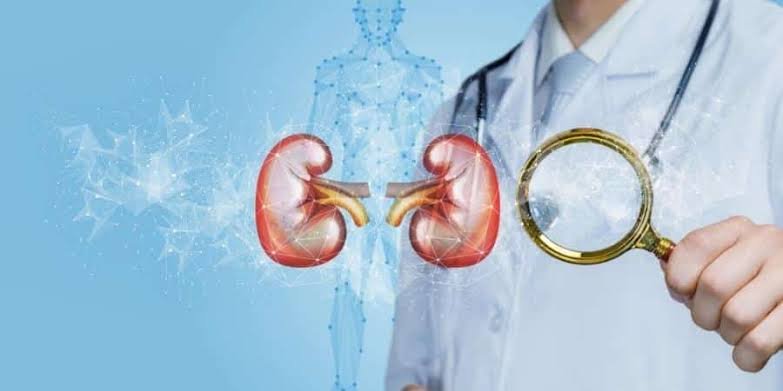
Homeopathy is a form of alternative medicine that uses highly diluted substances to stimulate the body’s natural healing processes. It is a safe and effective form of treatment for a wide range of health conditions, including kidney failure. Homeopathic remedies can help to manage the symptoms of kidney failure, improve kidney function, and slow the progression of the disease. In this article, we will explore the use of homeopathic treatment for kidney failure.
Understanding Kidney Failure:
Kidney failure, also known as renal failure, is a serious medical condition in which the kidneys are unable to filter waste products from the blood. This can lead to a buildup of toxins and other harmful substances in the body, which can cause a wide range of health problems. There are several different types and stages of kidney failure, each with its own unique set of symptoms and treatment options.
The Causes and Symptoms of Kidney Failure:
Kidney failure can be caused by a variety of factors, including underlying health conditions such as high blood pressure, diabetes, or glomerulonephritis. Symptoms of kidney failure may include fatigue, swelling in the hands and feet, frequent urination, difficulty concentrating, nausea, vomiting, shortness of breath, and difficulty sleeping.
Homeopathic Treatment of Kidney Failure:
Homeopathic remedies work by stimulating the body’s natural healing processes, helping to improve kidney function, and reducing the symptoms of kidney failure. Some of the most common homeopathic remedies used to treat kidney failure include:
Apis Mellifica: This remedy is often used to treat symptoms such as swelling in the hands and feet, urinary tract infections, and inflammation of the kidneys.
Cantharis: This remedy is often used to treat symptoms such as burning pain during urination, frequent urination, and inflammation of the kidneys.
Lycopodium: This remedy is often used to treat symptoms such as fatigue, weakness, and dehydration.
Nux Vomica: This remedy is often used to treat symptoms such as nausea, vomiting, and digestive problems.
Phosphorus: This remedy is often used to treat symptoms such as fatigue, weakness, and muscle cramps.
Silicea: This remedy is often used to treat symptoms such as swelling in the hands and feet, frequent urination, and inflammation of the kidneys.
Homeopathic remedies are typically prepared from natural substances such as plants, minerals, and animal products. They are highly diluted and potentized to enhance their healing properties and minimize any potential side effects. Homeopathic treatment for kidney failure is often tailored to the individual patient’s symptoms and overall health status, and may involve a combination of different remedies.
Benefits of Homeopathic Treatment for Kidney Failure:
Homeopathic treatment offers several benefits for patients with kidney failure. These include:
Safe and natural: Homeopathic remedies are prepared from natural substances and are free from harmful chemicals and toxins, making them safe and gentle on the body.
Non-invasive: Homeopathic treatment does not involve any invasive procedures or surgeries, making it a less stressful and more comfortable form of treatment.
Holistic: Homeopathy treats the whole person, taking into account not just their physical symptoms but also their emotional and mental well-being.
Customized: Homeopathic treatment is tailored to the individual patient’s symptoms and overall health status, making it a more personalized form of treatment.
Affordable: Homeopathic remedies are typically less expensive than traditional medical treatments, making them a more affordable option for patients.
Conclusion:
Homeopathic treatment offers a safe, effective, and affordable form of treatment for patients with kidney failure. Homeopathic remedies can help to manage the symptoms of kidney failure, improve kidney function, and slow the progression of the disease. If you are interested in exploring homeopathic treatment for kidney failure, you can contact any classical homeopathic doctor. In case of overseas you can consult us online. http://www.riffatnawab.com
Homeopathy is a form of alternative medicine that was developed in the late 18th century by a German physician named Samuel Hahnemann. It is based on the principle of “like cures like,” which means that a substance that causes symptoms in a healthy person can be used in diluted form to treat similar symptoms in a sick person.
According to the principles of homeopathy, each person is unique and must be treated as an individual, taking into account their physical, mental, and emotional symptoms. Homeopathic remedies are prepared by diluting a substance in water or alcohol and then vigorously shaking it. This process is called succussion and is believed to transfer the healing properties of the substance to the diluent.
Homeopathy uses very small doses of the remedy, often diluted to the point where no molecules of the original substance remain. This is called “potentization,” and it is believed to make the remedy more effective by increasing its energetic or vibrational qualities.
Homeopathic remedies are chosen based on the principle of “totality of symptoms,” which means that the remedy must match all the physical, mental, and emotional symptoms of the person being treated. Homeopathy is used to treat a wide range of conditions, including acute illnesses like colds and flu, chronic conditions like allergies and asthma, and mental health disorders like anxiety and depression.
Critics of homeopathy argue that the dilution process renders the remedies ineffective and that any perceived benefits are due to the placebo effect. Despite these criticisms, homeopathy continues to be used by millions of people around the world and is recognized as a legitimate form of healthcare in many countries.
The process of potentisation brings out the latent medicinal energy in those substances. By virtue of this process, anything from sand (Silica) to moonlight (Luna) can be used as medicine in homeopathy. The medicines are derived from the following sources:
This is a fundamental principle of Homeopathy is that it treats the patient as a whole and as an individual. There is no medicine for any particular disease, but there is a medicine for the patient suffering from the disease. ‘the individual, not the disease is the entity’ said the celebrated Sir William Osler.
The homeopath takes into consideration all the symptoms, that distinguish a person as an individual. Even a salesman of ready-made suits must try to fit the ready-made suit. Homeopathy enquires into the details of the patient’s past and family history, his appetite, thirst, bowel habits, sleep, etc., and most importantly his temperament.
It is increasingly acknowledged these days that the mind and body are interlinked. We now see the rapid rise of the holistic concept of disease with an emphasis on its psychosomatic aspect. Hahnemann recognized all this long ago and stressed that bodily and mental symptoms are to be taken together to form the portrait of the disease. The Homeopathics material medica is rich in mental symptoms and we especially use them in the selection of remedies.
The present problem of the patient is not usually an isolated occurrence. It is part of a sequence. The family history and the events through childhood are taken into account as homeopathy treats not only the present symptoms, but the entire sequence, thereby preventing the progress of the disease. Children under homeopathic treatment grow into more healthy adults, they find relief from the scourge of bad inheritance as well.
It has been said that the child is a father of the man. Thus, even in an infant, we can perceive the beginnings of future illness. The infant may perspire so much about its head during sleep as to soak a pillow. Perhaps the fontanelles are slow in closing. The child may be slow in walking and teething and develop the habit of eating mud and chalk. She looks fat, but there is no strength. She may develop enlarged tonsils. She catches colds very often and each cold further enlarges the tonsils. The menses occur too soon and are profuse. She feels cold all the time and lacks energy. Slowly a cough begins and there is the faintest trace of fever. There is a desire for cold milk and eggs. The cough further worsens and the evening fever becomes well-marked, the X-ray shows tuberculosis.
One can see that TB did not appear all at once; it has evolved from childhood. The signs of ill health were all there. They indicate the homeopathic medicine Calcarea carbonica. Had this remedy been given in infancy, the girl would not have developed the later troubles. But it is never too late. Even now Homeopathy will build up her health. In this way, many a problem child has been helped to normalcy by homeopathy.
Good homeopathy learns t perceive disease as a continually evolving process that begins in the womb and unless arrested and cured, end in the tomb. There are many measures to palliate and ease the patient, but the journey continues unless treated on homeopathic principles.
In fact, most, if not all curative therapies (including some forms of psychotherapy, meditation, etc. ) are (consciously or unconsciously) based on the “Similie” principle. The homeopath applies this principle scientifically and systematically using carefully tested medicines.
Sometimes in the course of homeopathic treatment, the history of past illness appears briefly in the reverse order, like a film being played backward. When this happens, we know that not only the present but also its cause in the past has been treated and the future is secure.
To a homeopath, the knowledge of anatomy, physiology, medicine, surgery, and gynecology is necessary since he has to examine the patient and come to a diagnosis. This will help him to know the natural course of the ailment and to manage the case well.
But his most important task is to understand the individuality of each patient fully and correctly, so that he may select the right remedy.
The practice of homeopathy convinces the physician to regard the body as more than a sum of its parts. Unlike a machine, it develops, carries on its function, and repairs itself independently. In this sense, everyone carries within him his own doctor. Ancient physicians were familiar with this natural power of the organism to control disease and they invented for it a beautiful expression ‘Vis Medicatrix Nature’ (Healing Power of Nature). This healing power is a function of the life force itself. Hahnemann called it Vital Force. Disease is recognized as a disturbance of this vital force. For example, out of ten people who get wet in the rain, only one developed pneumonia. Most bacteria can affect us only when our own healing power is of low resistance. Homeopathic medicine aims to correct this disturbed vital force and thus enhances the power of the body to heal itself. It does not aim at removing the symptoms of the parts affected but treats the cause and restores to health. According to Homeopathy, symptoms are a reflection of disturbed vital force.
Sickness is like a sitar whose correct tuning has been disturbed. Naturally, all the notes from such a sitar will be far more melodious. There is no use in trying to correct the individual notes. It is the disturbance in the tuning itself that has to be corrected.
The founder of homeopathy, Hahnemann’s scientific experiments led him to the process of potentization. A step-by-step dilution and jerking of the drug makes it extremely powerful and at the same time renders it harmless. This is in direct contrast to the toxic drugs of modern medicine, and their ‘side effects’. Potencies administered by Homeopathy range from a mother tincture to the 1,00,000th potencies. The sixth potency will have a rough dilution of one drop of the original drug substance diluted in a lake full of water. Each potency is 100 times more dilute than the previous one. Imagine the 1,00,000th dilution!
No one has been able to satisfactorily explain how the remedies act when diluted to such fantastic limits. Yet, potencies are found to act very powerfully. It seems that in the process of potentization, the stored energy of the drug is liberated.
How quickly you will notice improvement, after beginning homeopathic care, depends on the specific health concern, and on whether you take a single-dose or repeated medicine. With acute problems, such as flu or a bladder infection, you should notice a significant improvement within several hours. With chronic problems, you should notice some change within a week or two after beginning treatment. You may experience a brief worsening of already existing symptoms, which is a good sign. This will be followed by an overall improvement, not only of your chief complaint, but of most or all of your symptoms. Or you may just start feeling better. We wait five to six weeks before your second appointment in order to give the healing response enough time to evaluate carefully.
2. Long-Term Response
With many conditions, we estimate at least a 70 percent improvement in symptoms in order for us to feel satisfied that your medicine is correct. Again, this depends on a variety of factors. After six months to a year, you should feel significant, even remarkably, better regarding your specific problem, energy, mental clarity, and more. We recommend that you continue with treatment for at least a year to maximize your healing. Many of our patients have continued with us for ten years or longer. In our experience, they are generally much healthier than the general population. At the beginning of treatment, your appointments will be every four weeks. As you feel better and better, they will be less often.
We do not advocate the use of Ayurvedic, Unani and homoeopathy together because both are holistic medicine. Therefore, if you take two together, we don’t know how to evaluate your progress. We will not come to know which system you are better. Same with the case with allopathy. Also, these conventional medicines change the symptoms to such an extent that their original presentation of the symptom is lost, making it difficult to gather enough accurate information to prescribe the correct homoeopathic remedy. The symptoms are the compass that a homoeopath uses to find his way to the right remedy. If you were to take conventional medication to treat symptoms after beginning homoeopathic treatment, you could stop the action of the remedy, rendering it ineffective. Most acute conditions are handled well with homoeopathy but in some exceptional conditions, we do advise the patient to take allopathic treatment.
For chronic complaints one should report to the doctor only after a month but in any acute conditions/emergency, one should get in touch with the doctor immediately.
In homeopathy, we do not have separate medicine for the head, nose, ears, throat, etc. We give one single medicine which affects the patient as a whole and removes all his troubles. There is no medicine for any particular disease but there is medicine for the patient who is suffering from the disease. A single remedy is chosen on the basis of a holistic approach which treats different complaints of the same person etc.
First and foremost, you need to tell us how you feel about your chief complaint and associated complaint. Here it is very important that while reporting a chief complaint, it is better you also mention the new problems or if you have suffered from the same problem in the past because they indicate that we need to change your medicine/potency. Do mention your temperament, desires, sleep, dreams, and appetite. In the mental sphere, we need to know if anything had happened to upset you at home or at your workplace, like any quarrel, or some bad news, etc. All these symptoms when told in detail help us to treat you better.
During the course of homoeopathic treatment or after it has been stopped if something happens in your day to day life at the mental or physical level to upset the balance created in your system by the homoeopathic medicine the original complaint can be felt again. But it is true that with homoeopathic treatment, the capacity of the person to handle such upset improves and relapses may not occur.
Rarely after the homoeopathic treatment is given there can be an increase in your complaints. There can be two reasons for this. First and the more common reason can be the stopping of painkillers or ointment applications which may have kept your symptoms suppressed for a long time and due to the removal of that factor, the complaints will be experienced in their actual intensity. In that case, homoeopathic medicine will gradually bring the whole thing under control. Another possibility is that after the homoeopathic treatment, there is slight and short worsening followed by rapid relief. This initial worsening is often the reaction of our body before the cure occurs and is a very good sign. Another reaction that may be noticed during the course of homoeopathic treatment is that your original problems will get better gradually and then some new symptoms may appear. These new problems may indicate that we need to change your medicine and give you something that will cover this new picture and thereby help you in achieving a holistic cure.
You have to keep the medicine on the tongue so that it comes in contact with the nerves. That is the reason why we say not to eat anything half an hour before or after. So that the tongue has nothing else that will interfere with the absorption of the medicine.
It is a myth that homeopathy is slow acting. Most of the time what happens is the patient comes to us with a long history of chronic illness. Therefore the treatment takes time. Homeopathy is in fact fast acting in acute conditions such as fever, diarrhea, vomiting, etc.
Homeopathy can produce excellent results in infants, even those only a few days or months old. Infant colic, fevers, colds etc. can be taken care of effectively with homeopathy.
Homeopathic medicines can retain their potency for a very long time if they are kept in dry conditions and away from sunlight in a cool, dark place. They must be discarded if they get moist or change color for example if they go yellow. We prescribe medication for patients who will be out of postal contract for six months at a stretch, for example, because they are traveling abroad or are planning to spend extended periods at sea. Please remember that the medication must be kept away from strong-smelling substances like camphor, mint, menthol, strong oils, and perfumes.















 Dr Riffat Nawab Musab