Blood pressure (BP) has two components: systolic pressure (the higher number) and diastolic pressure (the lower number) .It is measured in millimeters of mercury (mm Hg)
Blood pressure (BP) has two components: systolic pressure (the higher number) and diastolic pressure (the lower number) .It is measured in millimeters of mercury (mm Hg)
Systolic BP represents the pressure that the heart needs to generate to pump blood to the rest of the body, while Diastolic BP refers to the pressure needed to pump blood to the arteries of the heart (coronary arteries).
Hypertension is defined as: systolic blood pressure (SBP) of 120 mm Hg or greater; or diastolic blood pressure (DBP) of 80 mm Hg or greater.
Are there any symptoms?
Usually hypertension is without specific symptoms. However very high blood pressure sometimes manifests itself in form of headaches and fatigue (a tired feeling). Hypertension has the ability to damage the crucial organs of the body like the brain, heart, and kidneys, as well as arteries throughout the body. It is a very important risk factor for heart attacks, strokes, and kidney failure.
What is the diagnosis for high BP?
Blood pressure readings of more than 120/80 mm Hg on three consecutive visits over a period of one month mean that one is hypertensive. However as all of us are presently livings in high stress situations as a routine, BP readings of 140/90 are also considered quite normal nowadays.
Can essential hypertension be prevented?
Prevention of hypertension involves regular aerobic exercise, restriction on salt intake, abstinence from smoking, a low fat diet, and maintaining correct body weight.
Hypertension is a chronic condition. However medication along with change in life style (regular exercise, restricted salt diet etc. Can lead to a fall in blood pressure. Once the blood pressure is consistently less than 130/85 mm Hg without medication, then one remains no longer hypertensive.
Constipation can be a frustrating and uncomfortable condition, but homeopathic medicines offer a safe and natural way to relieve symptoms. Discover the best remedies for constipation in this article.
Introduction:
Constipation is a common problem that affects many people, but it is often a taboo topic that people don’t want to talk about. It is defined as having fewer than three bowel movements per week or having difficulty passing stool. While it is usually not a serious health problem, constipation can cause discomfort, bloating, and pain. Fortunately, there are many homeopathic medicines that can help relieve constipation without the use of harsh chemicals or prescription drugs. In this article, we’ll explore some of the best homeopathic remedies for constipation and how they work.
What are Homeopathic Medicines?
Homeopathic medicines are natural remedies made from plants, minerals, and other substances. They are used to stimulate the body’s natural healing process and promote overall health and well-being. Homeopathy is based on the principle that “like cures like,” meaning that a substance that causes symptoms in a healthy person can be used to treat similar symptoms in a sick person. Homeopathic medicines are diluted and potentized to make them safe and effective.
What Causes Constipation?
Constipation can be caused by a variety of factors, including:
Nux vomica is one of the most commonly used homeopathic remedies for constipation. It is particularly effective for constipation caused by overeating, a sedentary lifestyle, and a lack of physical activity. This remedy is also helpful for constipation caused by stress, anxiety, or travel.
Bryonia is another effective homeopathic remedy for constipation. It is particularly helpful for constipation caused by dehydration, lack of exercise, and a dry, hard stool. This remedy is also useful for constipation caused by irritable bowel syndrome (IBS).
Sepia is a homeopathic remedy that is particularly useful for constipation in women. It is often prescribed for constipation caused by pregnancy, hormonal changes, and menopause. This remedy is also helpful for constipation caused by stress and anxiety.
Alumina is a homeopathic remedy that is particularly helpful for chronic constipation. It is useful for constipation caused by a lack of peristalsis (the contractions that move stool through the intestines). This remedy is also helpful for constipation caused by aging.
How to Take Homeopathic Remedies for Constipation
Homeopathic remedies for constipation should be taken in a diluted form, usually in the form of pellets or tablets. The potency of the remedy will depend on the severity of the constipation and the individual’s overall health. It is best to consult a qualified homeopathic practitioner to determine the correct dosage and potency.
Are Homeopathic Medicines Safe?
Homeopathic medicines are generally considered safe and free from side effects. However, it is important to consult a qualified homeopathic practitioner before taking any homeopathic remedy. Homeopathic medicines should not be used as a substitute for medical treatment, and they should not be used to treat serious medical conditions.
FAQs:
Q. How long does it take for homeopathic remedies for constipation to work?
A. The length of time it takes for homeopathic remedies for constipation to work depends on the individual and the severity of constipation. In some cases,
relief can be experienced within a few hours, while in other cases, it may take several days. It is important to follow the dosage instructions carefully and to consult a qualified homeopathic practitioner if there is no improvement after several days of treatment.
Q. Can homeopathic remedies be taken with other medications?
A. Homeopathic remedies are generally safe to take with other medications. However, it is important to consult a qualified homeopathic practitioner before taking any homeopathic remedy to ensure that there are no potential interactions with other medications.
Q. Are there any dietary changes that can help with constipation?
A. Yes, dietary changes can help with constipation. It is important to increase fiber intake by eating more fruits, vegetables, and whole grains. It is also important to drink plenty of water to stay hydrated and to avoid caffeine and alcohol, which can contribute to dehydration.
Conclusion:
Constipation is a common problem that can cause discomfort and frustration. However, homeopathic medicines offer a safe and natural way to relieve symptoms without the use of harsh chemicals or prescription drugs. Some of the best homeopathic remedies for constipation include Nux vomica, Bryonia, Sepia, and Alumina. Homeopathic remedies should be taken in a diluted form, and it is important to consult a qualified homeopathic practitioner to determine the correct dosage and potency. In addition to homeopathic remedies, dietary changes can also help relieve constipation. By incorporating more fiber-rich foods and drinking plenty of water, it is possible to alleviate constipation and promote overall digestive health.
– It affects the Cerebro SpinaL Axis causing Disturbance in co-ordination, and paretic effects.
– Paraesthesia.
– In mental sphere the consciousness of reality and judgement is disturbed.
– It is suitable to old people, with lack of vital heat, or premature old age, with debility.
– It causes Dryness of skin and mucous membranes; eyes throat, rectum etc., or irritability and relaxation.
– Mucus discharges profuse.
– Discharges are thin, acrid and scanty.
– Tendency to induration.
– Functions become sluggish, actions are delayed, e.g. , prick of needle will be felt with delay, impressions reach consciousness slowly.
– Patient is thin, inactive, wants to lie down, but it increases the fatigue.
– It is useful in delicate children, products of artificial baby foods.
– Pulsations are felt in various parts; and pains go upwards.
– Patient gets better entirely for sometime, then without apparent cause gets worse.
– Chronicity.
– Exhaustion; after talking; after menses.
– Degeneration of spinal cord.
– Unable to walk, with closed eyes.
– Involuntary movement of single parts.
– Girls, dried up and wrinkled, at puberty.
– Ill effects of disappointments.
– Sensation of constriction.
– Trembling, convulsive movements, spasms, with tears and laughter or alternately.
Worse
– Warmth of Room; of bed.
– Food; artificial, potatoes, starch, salt.
– Speaking.
– Dry weather.
– Early on awaking.
– Sitting,.
– After menses.
– Periodically; on alternate days.
– Coition.
– Tobacco smoke.
– Lifting.
– Exertion.
– Full and new moon.
Better
– Evening.
– Open air.
– Moderate exertion and temperature.
– Damp weather, cold washing.
Mind
– Illusions; of being larger; numb; smooth; heavy.
– Hasty but slow of execution, hence makes mistakes in speaking and writing.
– Depressive mental states.
– Timorous.
– Fears; his own impulses; sight of knife, of blood, fears loss of reason.
– When he sees or states something, he has the feeling, as though another person had said or seen it or as though he was placed in another person and could see only then.
– Time passes too slowly.
– Aways groaning, moaning, worrying, fretting.
– Memory bad, variable mood.
– Depressed on awakening.
– Peevish.
– Everything is viewed in sad light.
– Alternating moods.
– Sensation as if he would fall forwards, which he greatly fears.
– Things seem unreal. Laughs and talks between paroxysms of spasms.
– Sneers at everything.
– Grumbles.
– Suicidal tendency on seeing knife or blood.
Head
– Vertigo; agg. talking on closing or opening eyes, before breakfast.
– Vertigo; with white stars before the eyes, when eyes suddenly went out of focus; one has to wait for normal vision, amel. wiping eyes.
– Tightness from pharynx down to stomach as if food could not pass; can swallow but small morsels at a time.
– Clergyman’s sore throat.
– Feels food, whole length of oesophagus.
Stomach
– Abnormal craving; for coarse food, chalk, charcoal, dry food, clean white rags, te or coffee grounds, fruits vegetables, dry rice and indigestible things.
– Constriction of oesophagus.
– Pain lasting 3 hours after meals.
– Big bellied children.
– Aversion to potato, to meat, which disagrees.
Abdomen
– Left sided abdominal complaints.
– Pressing in both groins, towards sexual organs.
– Pains from rectum to ankle.
– Inactive rectum, even a soft stool is passed with difficulty, hard stools cause severe cutting.
– Stools of small balls, hard knots or bright clots of blood.
– Evacuation is preceded by painful urging, long before stool, then straining at stool.
– Constipation; of sucklings, old people and women of sedentary habits.
– Can only pass stool when standing.
Urinary
– Muscles of the bladder paretic must strain at stool to urinaate.
– Renal pains agg. dancing.
– Frequent desire to urinate in old people; slow flow.
– Fears he will wet the bed.
– Retention, with dribbling.
– Smarting while urinating.
– Feeling of weakness in bladder and genitals.
Male
– Sexual desire increased.
– Voluptuous itching or tickling in genitals.
– Involuntary emission; while straining for stools, followed by old symptoms.
– Pains in the perineum, during coition and while the erection continues.
– Priapism at night.
Female
– Menses, too early, short, scanty, pale followed by great exhaustion.
– Leucorrhoea; acrid profuse, runs to feet agg. during daytime; before menses amel. by washing with cold water.
– Intolerable bearing down pain.
– Tickling and itching in genitals; with strong desire for embrace.
– It takes a woman all her time to recuperate from one menstrual period to the next.
Respiratory
– Cough, constant, dry, hacking interrupts breathing, with sneezing; agg. after waking in the morning from elongated uvula; from condiments or eating irritating things, talking or singing.
– Sudden loss of voice; on taking cold.
– Chest feels constricted, agg. sitting bent or stooping.
– Soreness of chest; on talking; on lifting.
Heart
– Palpitation and shocks at heart.
– Wakes at 4 to 5 a.m. with anxiety at heart, amel. after rising.
Neck and back
– Pain in the back, as if hot irons were thrust through lower spine.
– Violent stitches in back.
– Back feels bandaged by a cord.
Extremities
– Pain in the arms and fingers, as if hot iron penetrated.
– Arms; feel heavy, as if paralyzed; short; go to sleep.
– Lower limbs heavy.
– Staggering on walking.
– Legs feel numb, especially when sitting crossed legged.
– Heels feel numb, when stepping.
– Festination.
– Locomotor ataxia.
– Nails brittle or thick.
– Gnawing under nails.
– Inability to walk except when eyes are open or in daytime.
– Totters if eyes were closed.
– Soles; painful, on stepping on it, as if they were too soft and on walking; cramps when crossing legs.
– Bones feel squeezed.
Skin
– Intolerable itching, when getting warm in bed.
– Dry, rough,cracked skin.
– Itching, burning, over seat of pain.
– Must scratch, until it bleeds.
– Eczema.
– The slightest injuries of the skin smart and become inflamed.
– Skin symptoms, agg. winter, full and new moon.
Sleep
– Anxious, restless, with confused dreams; about thieves, ghosts, of boats foundering.
– Inky juice of cuttle fish, known as a Indian ink, is supposed to be pre-eminently a woman’s remedy, though the first symptoms were found by Dr. Hahnemann proved accidently by a male artist.
– It affects the venous circulation esp. of the Female pelvic Organs; of portal system and of digestive tract.
– Venous stasis and thereby ptosis of viscera is a marked feature.
– It is suited to young persons of both sexes, of nervous and delicate constitution, who are disposed to sexual excitement or worn out by sexual excess.
– Children who take cold easily when the weather changes.
– Relaxed, plethoric females.
– Weak, pot-bellied mothers with yellow complextion.
– Affections in pregnant women.
– Females dragged down by over work, loss of vital fluids, excess of sexual indulgence, who are subject to prolapses, uterine troubles.
– Symptoms settle in back, in ileo-coecal region, ovaries etc.; upward in head; bearing down in pelvic region.
– Shuddering from pain.
– Sudden prostration.
– Weak empty hollow feeling in epigastrium, chest, muscles, lumbar back, hips, knees etc.; or sensation of fulness.
– As of a lump or something rolling over internally.
– Violent ebullitions of blood with pulsation throughout the body.
– Fits of uneasiness and hysterical spasms.
– Spasms, clonic, tonic, cataleptic.
– Short walk fatigues much.
– Jerking in muscles.
– Burning pains in different parts of the body.
– Bleedings.
– Milky secretions.
– Fainting fits.
– Fidgety.
– Tendency to abortion; from 5 – 7th month.
– Tubercular patients with chronic hepatic troubles and uterine reflexes.
– Atrophy of children, face like old man, big belly, dry flabby skin.
– Rheumatism, chronic cases or obstinate remains of acute.
Worse
– Cold; AIR; north wind; snowy air; snowfall, wet.
– Sexual excess.
– Before menses.
– Pregnancy.
– Abortion.
– Morning and evening.
– After first sleep.
– Falling to sleep.
– Sitting standing.
– Kneeling.
– Jarring.
– Stooping.
– Coitus.
– Before thunderstroms.
– Touch.
– Ascending.
– Rubbing.
– Lifting.
– Scratching.
– Washing clothes.
Better
– Violent Motion.
– Warmth; of bed.
– Pressure.
– Hot application.
– Crossing or drawing limbs up.
– After sleep.
– Cold drinks; cold bath; open air.
Mind
– Angry; sensitive; irritable; easily offended, and miserable.
– Wants to commit suicide.
– Nervous, so that she wants to hold on to something or she should scream.
– She says and does strange things.
– Nobody knows what she will do next.
– Anxious fear; over trifles.
– Aversion; to family, to those loved best; to sympathy; to company; yet dreads to be alone.
– Repugnance to customary business; disgust of life.
– Stiffled affections.
– Poor memory.
– Makes mistakes while writing or reading.
– Sad.
– Irritability, alternating with indifference or sulkiness.
– Sad over her health and domestic affairs.
– Constantly worries, frets and cries about her real or imaginary illness.
– Sexually minded.
– Weeps when telling her symptoms.
– Miserly.
– Stupid, wants to go away.
– Indifference.
– Takes pleasure in teasing others.
– Feels unfortunate without cause.
– Sits quietly and answers either with yes or no.
– Women hate men and men hate women.
– Breaks down in spells of weeping.
Head
– Fits of vertigo agg. walking in open air, least movement of arms; or with a sensation as if something rolling round the head.
– Headache; shooting, stinging pain; within out or upwards; over left eye; heavy on vertex, alternating sides of occiput; agg. lying on painful side, indoors; with nausea and vomiting.
– Headache in terrible shocks at menstrual time; with scanty flow; with desire for coition.
– Jerking of head backwards and forwards; involuntary; with open fontanelles in children; hysterical or from pain.
– Hair falls out; after chronic headache, at climaxis.
– Painful teeth, during pregnancy, menses and during cold, agg. lying.
– Tongue dirty, becomes clear during menses.
Throat
– Sensation of plug.
– Pain as if it is raw.
– Ascending throat colds.
– Pressure in the throat, feels neck cloth tight.
– Hawks foul mucus or balls, in the morning.
Stomach
– Nausea; at thought or smell of food; in A.M. ; thought of coition.
– Vomiting; of solid food only or of milky fluids; during pregnancy; in the morning; rinsing mouth.
– Longing; for vinegar, acids and pickles, sweets.
– Faint Sinking Feeling at Epigastrium: not amel. eating; or a lump in.
– Burning in pit of stomach.
– Boiled milk disagrees.
– Acidity.
– Dyspepsia from over-lifting; from tobacco.
– Voracious appetite, or no appetite; sudden craving, sudden satiety.
– Sense of something twisting about the stomach and rising into the throat.
– Distress or pain in stomach agg. vomiting.
– Eructations; milky, sour, bitter, rancid; of tough, foamy mucus.
Abdomen
– Pain in the region of liver or gall bladder agg. stooping.
– Liver sore and painful amel. lying on right side.
– Falling out or heavy bearing down feeling in hypogastrium amel. by holding it or crossing legs.
– Pot-belly of mothers.
– Constipation obstinate, no urging for days.
– Large hard stools; feeling of a ball in rectum.
– Rectum constricted and powerless, almost constant oozing from anus.
– Diarrhoea; greenish, infantile; from boiled milk, with rapid exhaustion.
– Piles; prolapsing; agg. walking, bleed while walking, with sticking pain; of pregnancy.
– Stools, then gelatinous mucus.
– Pains shoot up in rectum.
– Brown spots on abdomen.
– Stools are passed after prolonged straining, followed by cupful of jelly-like yellow-while, very offensive mucus.
– Prolapse of rectum after smoking.
– Sense of weight or ball in anus not amel. by stool.
Urination
– Involuntary urination during first sleep; agg. coughing, sneezing; laughing; hearing sudden noise, fright or inattention esp. in women, etc.
– Slow urination, with bearing down sensation above pubis.
– Urine Thick, Foul; white gritty or Adherent Red Sandy Sediment.
– Urine feeble, slow.
– Cutting pain in bladder before urination.
– Urine; bloody, milky.
– Shuddering when urging for urine is not attended to.
Male
– Sexual desire increased.
– Complaints after coition.
– Offensive perspiration on scrotum.
– Genitals cold.
– Condylomata surrounding head of penis.
– Impotency.
Female
– WEAK, DRAGGING or BEARING DOWN SENSATION, as it everything would escape from vulva; must cross limbs or hold parts to prevent protrusion.
– Gripping, burning or sticking in uterus.
– Coition; painful; from dryness of vagina; bleeding after.
– Dryness of vagina and vulva; after menses; causing disagreeable sensation when walking.
– Aversion to coition, or complaints after.
– Menses; absent; at puberty; after weaning.
– Menses; too late, and scanty; irregular; early and profuse.
– Labia swelled; abscessed.
– Leucorrhoea; yellow, greenish, milky, in large lumps, in little girls; instead of menses, foul; gonorrhoeal; with stitches up in vagina from uterus to navel; during day.
– Nipples cracked across the crown.
– Retained placenta; after abortion.
– Sub-involution.
– Exhaustion after coition.
– Nausea and irritability on thought of coition.
– Amenorrhoea.
– Metritis with pain in lumbar region and frequent urination.
– Motion of foetus is intolerable.
– Metrorrhagia at the time of climaxis.
– Sudden flushes of heat, wtih weakness and sweat during climaxis.
– Tendency to abortion; from 5th to 7th month.
– Severe itching in vulva causing abortion.
– Sterility.
– Mania from profuse menses.
Respiratory
– Dry, fatiguing cough, as if coming from stomach; agg. rapid change of temperature; with foul sputum.
– Whooping cough that drags on.
– Dyspnoea, agg. after sleep amel. rapid motion.
– Sensation of emptiness in chest.
– Hypostatic pleuritis.
– Brown spots on chest.
– Rotten egg taste with coughing.
– Asthma.
– Chest symptoms amel. by pressure of hand.
– Neglected pneumonia.
Heart
– Circulation irregualr; seems to stagnate.
– Palpitation; visible, ascends to occiput.
– And occasional hard thump of the heart.
– General pulsations.
– Ebullitions at night.
– Overfull blood vessels.
– Wakes up with violent beating of heart.
– Tremulous feeling with flushes.
– Nervous palpitation amel. walking fast; agg. lying on left side.
Neck and back
– Collar feels tight.
– Aching in inter-scapular or Lumber Region; paralytic; wants to be pressed.
– Sudden pain in back, as if struck by a hammer agg. stooping; kneeling.
– Pain in back amel. eructations, by pressing back against something hard.
– Weakness in small of back when walking; from uterine disease.
– Everything affects the back.
– Icy coldness between the scapulae.
– Cramps in buttocks when stretching out legs.
Extremities
– Hands purple.
– Cold hands in warm room.
– Tension in limbs as if they were too short.
– Limbs restless, twitching and jerking day and night.
– Knees and heels cold.
– Sciatica amel. during pregnancy; chronic, localizing in heels.
– Sensation of running, as from a mouse in lower limbs.
– Hot hands with cold feet or vice versa.
– A short walk fatigues much.
– Crippled nails.
– Hands sweaty.
– Skin in palms peels off.
Skin
– Blotched; raw, rough, hard or cracked; agg. flexures.
– Boils in axilla.
– Thick crusts on elbows.
– Ulcers, on small joints.
– Epithelioma; on eyelids, lips.
– Wine coloured skin.
– Spots on skin.
– Ringworm agg. every spring.
– Itching vesicles.
– Urticaria agg. open air amel. warm room.
– Thick crusts form upon the joints.
– Indurations from constant pressure; with purple colour.
Sleep
– Talks loudly during sleep.
– Dreams, agg. if he lies on left side.
– Wakes frequently or as he has been called.
Fever
– Easily chilled.
– Chilly with air hunger.
– Cold; in spots; on vertex; between scapulae; feet, in bed.
– Anxious hot flushes preceded by sudden weakness.
– Sweat; easy; offensive, with orgasms; on genitals, in axillae; or back between menses.
– Irregular fevers.
– Heat ascending or as if hot water were poured over him.
Anxiety is a common problem among people these days. In this article, we will discuss the best homeopathic medicines that provide relief from anxiety.
Introduction:
Anxiety is a feeling of fear, worry, and nervousness. It is a normal emotion that everyone experiences in their life, but it becomes a problem when it starts to affect daily life. Anxiety disorders are one of the most common mental health problems that people face these days. Many people rely on homeopathic medicines to treat anxiety. Homeopathic medicines are made from natural substances, and they have no side effects. In this article, we will discuss the best homeopathic medicines that provide relief from anxiety.
Which Homeopathic Medicine Gives the Best Cure for Anxiety?
Aconitum Napellus is a homeopathic medicine that is effective in treating acute anxiety. It is useful when the anxiety comes on suddenly and is accompanied by fear and restlessness. It is also helpful in treating panic attacks and phobias.
Arsenicum Album is a homeopathic medicine that is effective in treating anxiety that is accompanied by restlessness and fear of death. It is also helpful in treating anxiety related to health issues and obsessive-compulsive disorder (OCD).
Gelsemium Sempervirens is a homeopathic medicine that is effective in treating anxiety that is accompanied by weakness and trembling. It is also helpful in treating anxiety related to stage fright and anticipatory anxiety.
Ignatia Amara is a homeopathic medicine that is effective in treating anxiety that is accompanied by sadness and grief. It is also helpful in treating anxiety related to the loss of a loved one or a relationship.
Lycopodium Clavatum is a homeopathic medicine that is effective in treating anxiety that is accompanied by low self-confidence and fear of failure. It is also helpful in treating anxiety related to digestive disorders.
FAQs:
Q. How long does it take for homeopathic medicine to work for anxiety?
A. Homeopathic medicines are safe and effective, but they may take some time to show results. The time it takes for the medicine to work depends on the severity of the anxiety and the individual’s response to the medicine.
Q. Are homeopathic medicines safe for children with anxiety?
A. Yes, homeopathic medicines are safe for children with anxiety. They are made from natural substances and have no side effects.
Q. Can I take homeopathic medicine along with conventional medicine for anxiety?
A. Yes, you can take homeopathic medicine along with conventional medicine for anxiety. However, it is advisable to consult a homeopathic doctor before taking any medicine.
Conclusion:
Homeopathic medicines are an effective and safe way to treat anxiety. Aconitum Napellus, Arsenicum Album, Gelsemium Sempervirens, Ignatia Amara, and Lycopodium Clavatum are some of the best homeopathic medicines that provide relief from anxiety. However, it is advisable to consult a homeopathic doctor before taking any medicine for anxiety.
– Gels. centres its action upto the MISCLES and MOTOR NERVES.
– In muscles it causes overpowering ACHING; TIREDNESS; HEAVINESS; WEAKNESS AND SORENESS esp. felt in the muscles of the extremities.
– Affection of motor nerves produce all types of functional paralysis – of eyes; throat, larynx, anus, bladder etc. or TREMORS or twitchings; of single muscles, face, chin, tongue etc.
– Circulation becomes sluggish causing passive arterial or venous congestion; with sense of fulness and heaviness in different organs; heart, liver etc.
– Catarrh of MUCOUS MEMBRANES cause watery discharges.
– General state of paresis, bodily and mental.
– Complete relaxation and prostration.
– Wants to lie down quietly; half reclined; wants to be held.
– Dulness; dizziness, drowsiness; eye or visual effects; tremors; and polyuria; one or two of these symptoms usually accompany most of the diseased conditions in which Gels. is indicated.
– Inco-ordination of muscles, which do not obey the will.
– Chorea of pregnancy.
– Convulsions; hysterical.
– Nervous affections of cigar makers.
– Body feels light in onanists or hysterical subjects.
– Influenza.
– Measles.
– Pellagra.
– Post diphtheritic paralysis.
– Paralysis agitans.
– Ill effects of fright, fear, depressing emotions, anger, bad news, unpleasant surprise.
– Masturbation, traumatic shock.
– Alternate pelvic organ symptoms with head symptoms.
– Weak, tired, delicate, timid, excitable, easy to anger persons, children and adolescents.
– Never well since the flu.
– Coma, and apoplexy; sub-arachnoid.
Worse
– EMOTIONS.
– DREAD.
– Shocks.
– Ordeals.
– Motion.
– Surprise.
– Weather – HUMID; SPRING; foggy.
– Heat of sun; summer.
– Periodically.
– Tobacco.
– Thunder storms.
– Cold – damp weather.
– dentition.
– When thinking of his ailments.
Better
– Profuse urination; sweating.
– Shaking.
– Alcoholic drinks.
– Mental efforts.
– Bending forwards.
– Continued motion.
– Afternoon.
– Reclining, with head held high.
Mind
– Confusion; acts as if crazy.
– Dazed.
– Apathetic.
– Depsire to be quiet or left alone.
– Wants to throw himself from a height.
– DREAD; of falling; of ordeals, death, pain.
– Indifferent regarding his illness.
– Answers slowly.
– Cataleptic immobility, with dilated pupils, closed eyes but conscious.
– Child starts, grasps the nurse and screams as if afraid of falling.
– Discerning power slow.
– Effects of grief, can not cry; broods over her loss.
Head
– VERTIGO; spreads from occiput; as if drunk, with visual symptoms.
– Dull HEAVY or band like headache; around the occiput; to over eyes; agg. tight cap; amel. shaking; lying with head high; after profuse urination.
– Swelled feeling in head.
– Meningitis – congestive stage, pain at the back of head and dilated pupils.
– Pressure pain from the vertex to shoulders.
– Pain in temples extending into ear, wing of nose and chin.
– Soreness of the scalp.
– Apoplexy; sub-arachnoid.
– Blood rushes from the occiput to the forehead.
– Hot, with cold limbs.
– Migraine begins at 2 or 3 a.m. amel. in the afternoon.
– Can not hold erect.
– Fontanelle pulsate strongly.
Eyes
– Pupils dilated.
– HEAVY DROOTING EYELIDS.
– Diplopia; when looking sideways, during pregnancy.
– Blind spells.
– Sight dim or swimming.
– Photomania.
– Affections of vision before migraine.
– Eyes; red sore aching; suffused.
– Detached retina; from injury or myopia.
– Glaucoma.
– Orbital neuralgia with contraction and twitching of muscles.
– Amaurosis from masturbation.
– Hysterical amblyopia.
– Eye pains extend to occiput.
– Retinitis.
– Gauze before.
– Corrects discomfort in eyes even after accurately adjusted glasses.
– Vitreous hazy.
Ears
– Sudden loss of hearing for a short time.
– Pain while swallowing.
– Impaired hearing from cold.
Nose
– Stuffed.
– Coryza, with thin acrid watery discharge.
– Sensation as if hot water flowing from the nostrils.
– Summer cold.
– Sneezing; early morning.
Face
– Hot heavy, full, dusky red; besotted or expressionless.
– Chin quivers.
– Lower jaw dropped.
– Lower jaw wags sideways.
– Paralysis.
Mouth
– Tongue; heavy, numb, partially paralyzed; speech thick, as if drunk, he can hardly speak.
– Saliva coloured yellow as from blood.
– Tongue, numb, trembles while protruding.
– Thick yellow coating on tongue.
– Muscles around the mouth seem contracted.
Throat
– Swallowing difficult.
– Paralytic dysphagia esp. agg. from warm food.
– Swallowing causes pain into the ear.
– Feeling of a painful lump in throat that can not be swallowed, in hysterical women.
– Pain from throat to the ear.
– Tonsillitis.
– Post-diphtheritic paralysis.
– Sore throat during menses.
– Paralytic dyspagia after cerebral apoplexy.
Stomach
– Usually thirstless; but thirst with sweat.
– Little appetite but can take food or drink.
– Feeling of emptiness of weakness in the stomach, or bowels.
– Cramps in stomach, agg. riding or sittinng erect.
– Hiccough, agg. evening.
Abdomen
– Passive congestion of liver.
– Griping in the gall bladder.
– Periodical colic.
– Copious yellow stools.
– Diarrhoea; painless; in nervous persons; after sudden emotions as grief, fright, bad news, anticipation of an unusual ordeal.
– Stools, cream coloured; tea-green.
– Paralysis of sphincter ani.
– Prolapse or rectal pains after labour.
– Involuntary stools.
Urinary
– Profuse, clear, watery urine; with chill and trembling, amel. headache.
– Incontinence from excitement; from paralysis of sphincter.
– Alternate dysuria and enuresis.
– Flow intermittent.
– Retention.
– Constant urination; hysterical.
Male
– Involuntary emissions without erections.
– Genitals cold, relaxed.
– Dragging pain in testes.
– Profuse warm sweat on scrotum.
– Sexual power exhausted, slightest caress causes an emission.
Female
– Uterus heavy sore; feels as if squeezed (antiflexion).
– Dysmenorrhoea; with scanty flow; pains extend to back and hips.
– Labour pains go up; backward or down the thighs.
– Deep yellow leucorrhoea; with aching across lower part of the back.
– Os rigid.
– False labour pains.
– Threatened abortion from sudden depressing emotions.
– As of a wave from uterus to throat, with choking feeling, – impedes labour.
– Nervous chills-first stage of labour.
– Coition difficult from contraction of vaginal muscles.
– Epileptiform convulsions at menstrual period or from suppressed menses.
– Twitching of muscles of the whole body with drowsiness, before puerperal convulsions.
– Severe after pains.
Respiratory
– Hoarseness; during menses; in hysteria or after depressing emotions.
– Tiresome, slow breathing.
– As of a lump behind the chest.
– Spasms of glottis; long crowing inspiration, sudden and forcible expiration.
– Dry cough, with sore chest and fluent coryza.
– Burning in larynx and chest, when coughing.
Heart
– Sore.
– Feeling as if heart would stop beating, if she did not move about.
– Pulse slow, soft, weak, full and flowing.
– Weak slow pulse; of old age.
– Pain in heart on rising from seat.
Neck and back
– Neck feels bruised, unable to hold the head.
– Dull pain up and down in spine; amel. walking; with occipital pains.
– Pains under scapula.
Extremities
– Hard aching in humerus (R).
– Hands; hot dry numb esp. palms.
– Wants hands in cool water.
– Cramps in muscles of the forearm.
– Professional neurosis.
– Writer’s cramp.
– Heavy lower limbs.
– Excessive trembling and weakness of limbs.
– Knees weak agg. descending; tottering gait; can not direct his legs.
– Coldness of wrists and hands.
– Feeling of partial luxation of patella when walking.
Sleep
– DROWSINESS.
– Starts on falling to sleep.
– Heavy stupid sleep.
– Sleepiness of students.
– Sleeplessness from mental excitement; thinking or tobacco.
Skin
– Hot dry; moist; yellow.
Fever
– Chill with aching and languor; mixed with heat or alternating with heat; chill up and down back.
Homeopathic medicine is a natural and holistic approach to healing the body. Read on to learn more about what it is and how it works.
Introduction:
Homeopathic medicine has been around for more than two centuries and is a popular alternative approach to traditional medicine. The concept behind homeopathy is to treat the whole person, not just the symptoms of their illness. Homeopathy uses natural substances in highly diluted amounts to stimulate the body’s healing abilities. In this article, we will explore the basics of homeopathic medicine and how it works.
What is Homeopathic Medicine?
Homeopathic medicine is a form of alternative medicine that was developed in the late 18th century by a German physician named Samuel Hahnemann. It is based on the principle of “like cures like,” meaning that a substance that causes symptoms in a healthy person can be used to treat similar symptoms in a sick person.
Homeopathic medicines are made from natural substances, such as plants, minerals, and animal products, that are highly diluted in water or alcohol. The dilution process is believed to increase the effectiveness of the substance while reducing the risk of side effects.
How Does Homeopathic Medicine Work?
Homeopathic medicine works by stimulating the body’s natural healing abilities. The highly diluted substances used in homeopathy are thought to trigger a response in the body that helps it fight off the illness or condition.
Homeopathic remedies come in many different forms, including tablets, pellets, and liquid drops. The appropriate remedy is chosen based on the individual’s symptoms and overall health. Homeopathic practitioners take a holistic approach to treatment, considering the person’s mental, emotional, and physical health when selecting a remedy.
Homeopathic remedies are generally safe and have few side effects. However, it is important to note that homeopathy should not be used as a substitute for traditional medical care in cases of serious illness or injury.
How is Homeopathic Medicine Different from Traditional Medicine?
Homeopathic medicine differs from traditional medicine in several ways:
Homeopathy treats the whole person, not just the symptoms of their illness.
Homeopathy uses natural substances in highly diluted amounts, while traditional medicine often uses synthetic drugs.
Homeopathy focuses on stimulating the body’s natural healing abilities, while traditional medicine often relies on drugs to suppress symptoms.
Common Homeopathic Remedies
There are hundreds of homeopathic remedies available, each with its own specific uses and indications. Some of the most common remedies include:
Arnica montana: used for bruises, sprains, and muscle soreness.
Belladonna: used for fever, inflammation, and headaches.
Chamomilla: used for teething pain and irritability in infants and young children.
Ignatia: used for grief, anxiety, and emotional stress.
Nux vomica: used for digestive issues and hangovers.
Frequently Asked Questions:
Q: Is homeopathic medicine safe? A: Homeopathic remedies are generally safe and have few side effects. However, it is important to consult with a qualified homeopathic practitioner before beginning treatment.
Q: Can homeopathic medicine be used in conjunction with traditional medicine? A: Yes, homeopathic medicine can be used alongside traditional medical treatments. However, it is important to inform your doctor of any homeopathic remedies you are taking.
Q: How long does it take for homeopathic remedies to work? A: The length of time it takes for homeopathic remedies to work varies depending on the individual and the condition being treated. Some people may experience relief within minutes, while others may require longer treatment periods.
Conclusion:
Homeopathic medicine is a natural and holistic approach to healing that has been around for more than two centuries. It uses highly diluted natural substances to stimulate the body’s natural healing abilities and treat the whole
person, not just the symptoms of their illness. While homeopathy is not a substitute for traditional medical care in cases of serious illness or injury, it can be a valuable complementary approach to promoting overall health and wellness.
If you are interested in exploring homeopathic medicine, it is important to seek out a qualified practitioner who can guide you in selecting the appropriate remedies and dosage. As with any form of medical treatment, it is important to inform your doctor of any homeopathic remedies you are taking.
In summary, homeopathic medicine is a natural and holistic approach to healing that uses highly diluted natural substances to stimulate the body’s natural healing abilities. While it is not a substitute for traditional medical care, it can be a valuable complementary approach to promoting overall health and wellness.
– Belladonna acts upon nerve centres producing twitching, convulsions and pain.
– Its action upon the brain causes furious excitement and perversion of special senses.
– Circulation in blood vessels and capillaries becomes active causing congestion, throbbing, and dilatation of arteries.
– Mucous membranes become dry.
– Its effects are sudden and violent.
– Burning Heat, Bright Redness and Dryness are very marked.
– HOT; body, part, discharges etc.
– Redness occurs, in streaks.
– Severe Neuralgic Pain, that comes and goes suddenly.
– Fulness; Congestion esp. to head and SWELLING are other characteristic features.
– PAIN ARE THROBBLING; SHARP; CUTTING; SHOOTING; or clawing; of maddening severity; coming and going in repeated attacks.
– Discharges are hot and scanty.
– Spasms; Shocks; Jerks and Twitchings.
– Constrictions occur in parts of the body like throat, vagina etc. or in whole body.
– Sensitive to LIGHT, NOISE; JARRING.
– Epileptic attacks are followed by nausea and vomiting.
– Convulsions commence in the arm.
– Spasms are followed by prolonged unconsciousness.
– Throws body forwards and backwards; chorea.
– Acts as a prophylactic in scarlet fever.
– Exophthalmic goitre, with extreme thyroid toxaemia.
– Hydrophobia.
– Useful in airsickness.
– Its influence is felt more in intelligent and plethoric persons who are jovial and entertaining when well, but violent when sick, therefore a great children’s remedy.
– Ill effects of hair cutting, head getting wet.
– Sausages.
– Sun.
– Walking in wind or draft.
– Haemorrhages, hot.
– Heat in body; parts are hot, swollen, and dry.
– Right sided symptoms.
Worse
– Heat of Sun; if heated.
– Drafts – on head; haircut; washing head.
– After taking cold.
– Light; noise; jarring.
– Checked Sweat.
– Touch.
– Company.
– Pressure.
– Motion.
– Hanging down affected part.
– Afternoon.
– Lying down.
– Looking at shining objects or running water.
Better
– Light covering.
– Bending backward, semi-erect.
– Rest in bed.
– Standing.
– Leaning head against something.
– Bending or turning the affected part.
Mind
– Acuteness of senses.
– Wildly Delirious.
– Excited ferocious; noisy; cries out.
– Talks fast; VERY RESTLESS.
– Biting, striking; tearing mania.
– Spits on faces of other persons.
– Sees monsters, hideous faces.
– Fear of imaginary things.
– Desire to escape or hide himself.
– Perversity, with tears (children).
– Excitable, easily weeps.
– Quarrelsome.
– Tendency to dance, laugh, sing, whistle.
– Starts in fright at the approach of others.
– Constant moaning.
– Craving for snuff.
– An angel when well and a devil when sick.
– Sits and breaks pins.
– Mental symptoms amel. taking light food.
– Patient lives in his own world.
Head
– THROBBING, HAMMERING HEADACHE agg. temples; agg. motion; amel. letting hair down; laying the hand on head; bending head backwards.
– Feeling in the brain like swashing of water.
– It rises and falls in waves.
– Cold sensation in head at the middle of the forehead.
– Vertigo agg. stooping and rising from stooping.
– Hydrocephalus, with boring and head in the pillows.
– Hairs split, are dry and come out.
– Rolls head.
– Pulls her hair.
– Meningitis.
– Sunstroke.
– Pains go downward from head.
– Head sensitive to drafts and cold, or washing hair.
Eyes
– Pupiles Dilated.
– Eyes, sparkling, prominent, staring.
– Red conjunctiva.
– Fiery, red, vivid hallucinations; even on closing the eyes.
– Attacks of blindness, then yellow vision.
– Sees red flashes before vision.
– PHOTOPHOBIA.
– Diplopia.
– Triplopia.
– Moon light blindness.
– Sensation as if eyes were half closed.
– Eyelids; feel sore, congested and swollen.
– exophthalmos.
– Lachrymation like brine.
– Lines appear crooked when reading.
Ears
– Pain causes delirium; child cries out in sleep.
– Otitis media.
– Autophony – hearing one’s voice in the ear.
– Haematoma.
– Noises in ears.
Nose
– Red; swollen.
– Imaginary odours; odour of tobacco intolerable.
– Bleeding from nose, with flushed face.
Face
– Fiery; Red; turgid and hot; or becomes pale and red alternately.
– Semilateral swelling of the face.
– Spasmodic distortion of mouth (risus sardonicus).
– Convulsive motions of muscles of face.
– Facial neuralgia, with twitching of muscles and flushed face.
– Lower jaw as if drawn backwards.
Mouth
– DRY., HOT., Tongue; red, hot, swollen.
– Edges of tongue red.
– Strawberry tongue.
– Red streak in middle of tongue, wider at tip.
– Grinding of the teeth.
– Tongue hands out of the mouth (children).
– Forepart of the tongue cold and dry.
– Toothache amel. biting.
– Chewing motions of the mouth as though chewing or sucking.
– Stammering speech.
– Lock-jaw.
– Hot breath.
Throat
– Dry and Hot.
– Tonsils enlarged.
– Tonsillitis agg. right side.
– Urging to swallow, with chocking.
– Throat feels constricted.
– Swallowing difficult; Drinks in sips.
– Must take a drink to swallow solid. food.
– When swallowing, bends the head forward and lifts up knees.
– Clutches at, during epilepsy.
Stomach
– Desire for lemonade or lemons (which agree).
– Distaste for meat, acids, coffee,milk, beer.
– Vomits everything, with paleness and weakness.
– Great thirst for cold water.
– Dread of drinking.
– Spasmodic hiccough, with sweat and convulsions.
– Pain in stomach extending to shoulder and throat agg. pressure.
Abdomen
– Distended, hot agg. touch of bedclothes.
– Cutting pain in epigastrium amel. bending backwards.
– Transverse colon distends and protrudes, like a pad, during abdominal colic.
– Cramp and colic, as if a hand has clutched some part.
– Acute pain in liver region, extending to shoulder and neck agg. lying on it.
– Clawing pain around the navel.
– Downward forcing in abdomen as if all the viscera would protrude through genitals.
– Acute prolapsus ani.
– Stools; green, dyysenteric or contain chalky lumps.
– Involuntary stools.
– Piles, with back pain as if breaking.
– Pain in splenic region agg. sneezing, coughing, touch.
Urinary
– Involuntary urination, on lying down; or when standing, or at night; when sleepy, during day.
– Retention of urine; with paralysis of bladder; post partum.
– Fiery red urine;frequent and profuse urination.
– Haematuria without pathological conditions.
– Sensation in bladder as if a worm were turning in, without desire to micturate.
Male
– Testicles; hard, drawn up, inflamed.
– Sweat on genitals.
– Soft painless tumuour on glans.
Female
– Menses; bright, red, with clots, too early, too profuse, hot, gushing, offensive.
– Metritis.
– Rigidity of the os.
– Violent bearing down towards genitals, as if everything would fall out, amel. standing and sitting erect agg. lying down.
– Mastitis: pain throbbing, redness, streaks radiate from the nipples.
– Breast; heavy, hard and red.
– Lochia; diminished, hot offensive.
– Useful in confinement of women who have their children late in life.
– Leucorrhoea, with colic.
– Labour pains come and go suddenly; or ceasing.
Respiratory
– Tickling, short, dry cough agg. night.
– Larynx very painful, feels as if foreign body were in it, with cough.
– Cough agg. fine dust in air.
– Child cries before cough.
– Cough agg. yawninng.
– High piping voice.
– Barking cough or voice.
– Whooping cough, with pain in stomach before attack; with haemoptysis.
– Cheyne-stokes respiration.
– Moaning at every breath.
– Difficult, short quick respiration.
– Asthma in hot damp weather.
Heart
– Throbbing in carotid and temporal arteries.
– Pulse full, hard, tense.
– Violent palpitation, with laboured breathing.
– Bubbling at the region of the heart.
Neck and back
– Stiff neck and shoulder (right).
– Swelling of glands in the nape of the neck.
– Back feels broken.
– Lumbago, with pain in hips and thighs.
Extremities
– Jerks or spasms in limbs.
– Joints, swollen, red, shining; with red streaks radiating.
– Heaviness and paralytic feeling in limbs.
– Cold extremities.
– Involuntary limping.
– Phlegmasia alba dolens.
– Trembling of limbs.
– Weakness and tottering gait.
– Lies or sits with feet crossed, can not uncross them.
Skin
– Bright, Red, glossy.
– Dry and hot.
– Alternate paleness and redness of skin.
– Intense dermatitis.
– Scarlatina.
– Erysipelas.
– Boils, returning every spring.
Sleep
– Sleepy but can not sleep.
– Moans and tosses about in sleep.
– Jerks During Sleep.
– Frightful dreams of quarrels, fire, robbers, assassins.
– Sees frightful visions on closing eyes.
– Sleeps with hands under the head.
– Heavy sleep with hot skin.
Fever
– High fever with comparative absence of toxaemia.
– Internal coldness, with external pungent, burning, steaming heat.
– Hot Head, with cold limbs.
– Skin hot; but moist and dry alternately. No thirst with fever.
– Trauma in all its varieties – mental or physical and their effects recent or remote are met with by this remedy.
– It affects BLOOD, causing putrid and septic conditions.
– BLOOD VESSELS are relaxed, causing ecchymosis, blue-black spots; with TENDENCY TO HAEMORRHAGE; epistaxis etc.
– It acts upon nerves causing neuralgia.
– Muscles feel VERY SORE, PAINFUL, BRUISED; all over.
– Parts becomes sore, after the pains, or after bleeding.
– It is a prophylactic for pus formation.
– Burrowing pus.
– Has absorbent action.
– Progressive emaciation.
– Great prostration; tired feeling.
– Discharges are FOUL; breath, taste, flatus, stools etc.
– Crushing pain.
– BED FEELS HARD or full of lumps.
– Involuntary evacuations.
– Abscesses that do not mature.
– Pains are Paralytic; sudden, shifting pains from joint to joint.
– It acts best in plethoric, dark haired persons of rigid muscles, nervous sanguine nature.
– It acts but feebly on persons who are positively debilitated, with impoverished blood and soft flesh.
– Compound fractures.
– Twitching, in tendons, muscles.
– Osteomyelitis.
– Ill effects of fright, financial loss, anger, repentance; excessive use of any organ, vaginitis in females and impotence in males from excessive sexual indulgence.
– Exertion of any kind.
– Mind and uterine symptoms alternate.
– Complaints when over hurried.
– Apoplexy.
– Typhoid, septic fevers.
– Recurring boils.
– Surgical operations.
– Insect stings.
– Splinters.
– Thrombosis.
Worse
– Injuries – falls, blows, Bruises; shock; jarring; after labour; overexertion; sprains.
– Touch.
– After sleep.
– Motion.
– Old age.
– Alcohol.
– Damp cold.
– Coal gas.
– Lying on left side.
Better
– Lying down and lying with head low or outstretched.
Mind
– FEAR; of being struck or touched; or approached; of sickness; of instant death; with cardiac distress at night; of space; on awakening; of crowds, public places.
– Morose.
– Repentant mood.
– Mentally prostrate and apathetic, but physically restless; says nothing ails him.
– When spoken to, answers slowly with effort.
– Feels well in serious cases.
– Forgetful, when he reads, quickly escapes his mind.
– After rage sheds tears and makes exclamations.
– Hopeless; indifferent.
– Violent attacks of anguish-angina pectoris.
– Delirium tremens.
– A sudden fear that rouses one from sleep at night esp. after an accident.
– Great desire to scratch; will scratch, wall, bed, head, etc.
– Coma.
– Muttering delirium.
– Sensation of being good for nothing.
– Easily frightened, unexpected trifles cause him to start.
– Sits as if in thought.
Head
– Brain; feels tried, burning in.
– Vertigo; chronics; of the aged; with nausea, vomiting and diarrhoea; objects whirl agg. walking.
– Its excessive intake produces symptoms of salt retention, such as dropsies and oedema: but it also affects the blood causing anaemia and leucocytosis.
– Mind, Heart, liver and spleen come under its influence.
– The patient is thin, thirsty, poorly nourished on account of digestive disturbances, and his Mental Behaviour and physical symptoms are hopeless or awkward in nature.
– Emaciation; descending, of neck or abdomen.
– Mucous Membranes and skin may be Dry or may produce thick, white or clear, watery, acrid discharges.
– Dryness of mouth, throat, rectum, vagina etc.
– Numbness of one side; parts lain on; with paralysis; fingers, parts seem too short.
– Easy exhaustion.
– Contraction of muscles, tendons.
– Neuralgic pains with tears.
– Trembling.
– Prostration.
– Hysterical debility.
– Emaciation even while living well.
– Great weakness and weariness.
– Tendency to take cold.
– Coldness.
– Children talk late; cross, irritable, cry from slightest cause.
– Cachexia; malarial.
– Oversensitive to all sorts of influences.
– Goitre; hyperthyroidism.
– Addison’s disease.
– Diabetes.
– Twitching in muscles.
– Frequent starts in upper part of the body.
– Chorea; jumping; after fright.
– Ill effects of disappointment; fright, grief, fit of passion; loss of fluids, masturbation; injury to head; silver salts; salt.
– Young girls become love lorn and fall in love with married men.
– Paralysis; from emotions, sexual excess.
– Likes to be covered but does not amel..
– Trembling of the whole body from smoking tobacco.
Worse
– Exact periodicity.
– 9 to 11 a.m. ; with the sun.
– Alternate days.
– After menses.
– Heat; of sun, summer; dampness.
– Exertion – of eyes, mental, talking, reading, writing.
– Violent emotions.
– Sympathy.
– Puberty.
– Quinine.
– Bread, fat, acid food.
– Coition.
– Sea shore.
– Chronic sprains.
– Noise; music.
– Touch.
– Pressure.
– Full moon.
Better
– Open air.
– Cool bathing.
– Sweating.
– Rest.
– Going without regular meals.
– Tight clothing.
– Deep breathing.
– Before breakfast.
– Rubbing.
– Lying on right side.
– Talking long.
Mind
– Hateful; to persons who had offended him.
– Detests consolation or fuss.
– Sad : during menses; without cause.
– Reserved.
– Easily angered agg. if consoled.
– Company distresses.
– Hypochondriac.
– Weeps bitterly; or wants to be alone to cry.
– Weeps involuntarily, without cause or can not weep.
– Cheerful, laughs, signs, dances, alternating with sadness.
– Boisterous grief.
– Dwells on past unpleasant memories.
– Anxiety.
– Apprehension.
– Fear or dreams of robbers.
– Awkward; in talking; hasty; drops things from nervous weakness.
– Absent-minded.
– Scattered thoughts.
– Revengeful.
– Thinks he is pitied for his misfortunes and weeps.
– Immoderate laughter with tears.
– Abrupt.
– An idea clings, preventing sleep, inspires revenge.
– Alternating mental conditions.
– Extremely foregetful.
– Aversion of men (females).
Head
– Vertigo; as if falling; agg. standing near a window, on closing eyes; amel. lying, with head high.
– HEADACHES; bursting; on coughing; maddening; hammering; heavy; over eyes; on vertex, with partial numbness or disturbed vision; agg. on awakening; from sunrise to sunset; during, before or after menses; motion; even of eyes; frowning, reading; amel. sleep; pressure on eyes, lying with head high, sitting still.
– Nodding motions of the head.
– Headaches of school children.
– Migraine.
– Falling hair.
– Injured part tender to touch.
Eyes
– Painful, on looking down.
– Letters run together while reading.
– Stricture of lachrymal duct, escape of mucous when pressing on the sac.
– Lachrymation; with redness; burning; acrid; from affected side, from sneezing; coughing; laughing etc.
– Eyes feel drawn together.
– Itch and burn, must wipe them.
– Ptosis on lying down.
– Vision blurred, wavering.
– Hemiopia then headache.
– Eye lids close with headache; spasmodically.
– Can not read by artificial light.
– Sparks, black spots, fiery zigzag before eyes.
– Incipient cataract.
– Protruding eyes; due to goitre.
– Retinal images are retained too long.
– Eyes give out in reading and writing.
Ears
– Noises, buzzing, humming, ringing.
– Painful cracking in the ear when masticating.
– Itching behind ears.
Nose
– Violent fluent coryza; lasts one to three days then stoppage of nose high up, making breating difficult.
– Sneezing early in the morning.
– Alternate fluent and dry coryza; cold commences, with sneezing, gushing of fluid.
– Little ulcers in nose.
– One side numb.
– Loss of smell and taste.
– Nose bleed; on stooping or when coughing, at night.
Face
– Pale, muddy, or shiny as if greased.
– HERPES; about the lips or at the edge of hair; pearly.
– Crack in the middle of the lower lip.
– Lips tingle, feel numb.
– Throbbing in lower jaw agg. biting; heat and cold.
– There is down on the face in hysteria but passes away as the patient improves.
– Upper lip swollen.
– Prosoplagia.
– Falling of whiskers and beard.
Mouth
– Tongue; Mapped; beaded or striped along edges.
– Aphthae.
– Loss of taste and smell.
– Numbness and stiffness of one side of tongue.
– Tingling of the tongue.
– Tongue, heavy; difficult speech.
– Children learn to talk slowly.
– Fistula dentalis.
– Epulis or small tumour on the gums.
– Sensation of a hair on the tongue.
– Tongue feels dry but is not dry.
– Vesicles and ulcers in mouth and on tongue, smart and burn when touched by food.
– Teeth sensitive to air or touch; pain agg. on chewing.
– Toothache with tears or salivation.
Throat
– Hawks much mucus, bitter, salty.
– Uvula hangs to one side.
– A dry, sore spot in the throat, tickles and causes cough etc.
– Food goes down the wrong way; post diphtheritic paralysis.
– Only fluids can be swallowed.
– Solids reach a certain point and then are violently ejected.
– Throat glistens.
– Exophthalmic goitre.
– Sore throat; with sensation as if she has to swallow over a lump.
– As if a plug in throat.
– Tobacco smoker’s throat.
Stomach
– Desire; For Salt, bitter things; for sour things, farinaceous food, oysters, fish, milk.
– Thirsty, drinks large quantity of water.
– Great hunger yet emacities; with depressed mind.
– Averse to bread, meat, coffee, tabacoo.
– Hunger without relish.
– Hiccough.
– Burning eructations, after eating.
– Sweet risings from stomach during menses.
– Anxiety in stomach rises into head.
– Sweats while eating; on face.
– White slimy mucus is vomited with relief.
– Heart burn with palpitation.
– Feels better on an empty stomach.
Abdomen
– Epigastric pulsation.
– Epigastrium swollen and painful.
– Sudden distension.
– Tense abdomen agg. groins.
– Pain in abdominal ring on coughing.
– Rigidity of the left side.
– Colic with nausea amel. flatus.
– Stools; dry, hard, crumbling; tears the anus or cause burning.
– Stools, coated with glassy mucus.
– Constipation on alternate days, from inactivity.
– Painless watery diarrhoea; chronic; morning, on moving about; from abuse of opium.
– Constriction of rectum.
– Herpes about anus.
– Abdominal viscera loose and dragging as if when walking.
– Red spots on epigastrium.
– Herpes ani.
Urinary
– Involuntary urination; on coughing; laughing; sneezing, walking, sitting.
– Polyuria, thirst for large quantities of water.
– Has to wait long for urine to pass in the presence of others.
– Urine clear with red sediment.
– Must wait before the urine will start.
– Pain just after urination.
Male
– Backache and weak legs; with depression after coition.
– Pollution shortly after coition.
– Sexual desire, with physical weakness.
– Suppressed gonorrhoea.
– Weakness, even paralysis, after sexual excess.
– Loss of hair from pubes.
Female
– Aversion to coition; which is painful from dryness of vagina.
– Burning smarting in vagina during coition.
– Delayed first menses.
– Dymenorrhoea with convulsions.
– Sterility; with too early too profuse menses.
– Debilitating leucorrhoea; white thick, instead of menses.
– Prolapse of ulcers with aching in lumbar region or with cutting urethra; agg. in the morning, amel. lying on back.
– Hot during menses.
– Mammary glands emaciate.
– White leucorrhoea turns green gradually.
– Loss of hair in children or during lactation.
– Stitches beneath nipples.
Respiratory
– Cough from tickling in the pit of stomach; with asthma or palpitation; agg. winter.
– Respiratory catarrh after suppressed sweats.
– Sticking in live while coughing.
– Dyspnoea on ascending.
– Whooping cough; with lachrymation.
– Breath; hot, offensive.
– Exertion of arms amel. breathing.
Heart
– Palpitation, shaking body or alternating with beating in head.
– Fluttering of the heart, with a weak, faint feeling agg. lying down.
– Palpitation; anxious, agg. exertion; emotion; lying on left side.
– Pulse; full and slow or weak and rapid; intermittent every third beat; agg. lying down.
– Coldness, soreness at the heart.
Neck and back
– Painful stiffness of neck.
– Bruised backache, early in a.m. ; agg. coughing; after coition; amel. lying on back, on something hard; or pressure.
– Can stoop readily, but hurts to straighten.
– Buttocks emaciated in infants.
Extremities
– Trembling of the hands when writing.
– Cracked finger tips.
– Hangnails.
– Palms hot and sweaty.
– Hamstrings; seem short, painful, drawing in.
– Numbness and tingling in fingers and lower extremities.
– Catch in knee.
– House maid’s knee.
– Cracking in joints on motion.
– Ankles weak and turn easily.
– Legs cold.
– Conculsive jerking of the limbs on falling asleep.
– Scurfs, scales in axilla.
– Bending the joints of fingers, difficult.
– Children do not learn to walk.
– Soreness of toes or between toes.
Skin
– Oily, dry, harsh, unhealthy or yellow.
– Chaps of herpetic eruptions agg. flexures, or about knuckles.
– Dry eruptions on margins of hair.
– Warts of palms and hands.
– Hives, whitish, agg. exertion.
– Corns.
– Scars; painful.
– Redness of old scars.
Sleep
– Sobs durinng sleep.
– Awakes feeling weak.
– Dreams of robbers.
– Somnabulism; rises and sits about room.
– Starts and talks in sleep.
Fever
– Coldness of many parts, hands, feet, heart.
– Morning chill with thirst.
– Chilly but agg. in sun.
– Sweat, scany, at edge of hair, on nose, on face while eating.
– The seeds of Ignatia contain a large proportion of strychnine than those of Nux-vomica, yet there is a great difference between the characteristic features of the two drugs.
– Though it affects the MIND, EMOTIONAL element is profoundly influenced and co-ordination of functions is interfered with; causing ERRATIC; contradictory; parodoxical mental and physical EFFECTS; which change rapidly, and are opposite to each other.
– NERVOUS SYSTEM is affected causing SPASMODIC EFFECTS; often violent with rigidity, twitching and tremors.
– It is adapted to the persons of nervous temperament esp. women of sensitive, easily excited nature,mild disposition, quick to perceive and rapid in execution.
– SENSE OF LUMP, foreign body or sharp pressure.
– Jerks run through the whole body.
– Tendency to start.
– Globus.
– Clavus.
– Hysteria.
– Chorea; after fright, from grief agg. after eating, amel. lying on back.
– Convulsions of children; during dentition; after punishment; after fear or fright; return at the same hour daily.
– Spasms, with cries or involuntary laughter.
– Tonic spasms of single parts, with frothing at the mouth.
– Spasms alternating with oppressed breathing.
– Pain in spot agg. close attention amel.
– Oversensitive to pain.
– Pains change their locality, come gradually, abate suddenly, or come and go suddenly.
– Symptoms pass after profuse urination.
– Plague; preventive and curative.
– Nervous shuddering; with pain.
– Paralysis; after great mental emotions and night watching, in sick chamber.
– Suitable to persons who had been starving either from want or other causes.
– Ill effects of grief, fright, worry, disappointed love; jealousy; old spinal injuries.
– Catalepsy with opisthotonous. (Nat-mur. should follow in chronic conditions.)
Worse
– EMOTIONS.
– GRIEF.
– Chagrin.
– WORRY.
– Fright; shock, after losing persons or objects that were very dear.
– Air; open, cold.
– Odours.
– Touch.
– Coffee.
– Tobacco.
– Yawning.
– Stooping,walking; standing.
– At the same hour and day.
Better
– Change of position.
– Lying on affected part.
– Urination.
– If alone.
– Pressure.
– Deep breathing.
– Swallowing.
– Eating
– Near a warm stove.
– Sour things.
Mind
– ALERT; OVERSENSITIVE AND NERVOUS.
– Highly emotional.
– Moody.
– Brooding GRIEF.
– Silent and sad.
– SIGHS.
– Weeps or laughs by turns, laughs when she ought to be serious.
– Changeable moods.
– Unhappy love.
– Inward weeping; enjoys being sad.
– Angry with himself.
– Desire to be alone.
– Everything irks her.
– Intolerant of contradiction; of reprimands.
– Anguish; shrieks for help.
– Capricious.
– Delicately conscientious.
– Fear; of thieves; of trifles, of things coming near him Introspective.
– Faint easily, girls who faint every time they go to church; or who fall in love with married men.
– Sensation as if she had been fasting for a long time.
– Hurried during menses; no one can do things fast enough for her.
– Looks about the bed as if to find something.
– Delights to bring on her fits and produce a scare or a scene.
– Thinks she had neglected her duty.
– Sighing and sobbing.
– Not communicative.
– Fear or robbers at night.
Head
– Ache as if a nail were driven out through the sides; end in yawning and vomiting; alternate with backache.
– Headache agg. or amel. by stooping.
– Throws head backwards; from weight at occiput; or during spasms.
– Vertigo, with sparks before the eyes.
– Loud talking agg. headache.
– Headache; from abuse of snuff, tobacco smoke, coffee, from close attention.
Eyes
– Asthenopia; with spasms of the lids, and neuralgic pains around the eyes.
– Flashes of light, from violent coughing.
– Eyelids seem dry.
– Flickering, zigzags before the eyes.
Ears
– Roaring amel. by music.
– One ear red and hot.
– Deafness, except for human voice.
Nose
– Sensitive to inspired air.
– Pain over the root of the nose.
– Sneezing attacks.
– Cold, with hot knees.
Face
– Twitching of the muscles of face and lips.
– Redness and heat of one cheek; red and pale alternately.
– Masseters stiff and hard.
– Emotional trismus.
– Change colour often when at rest.
– Facial muscles distort on attempting to speak.
Mouth
– Spasmodic closing of the jaws; bites inside cheek or tongue when talking or chewing.
– Corners twitch.
– Taste sour.
– Toothache agg. after drinking coffee and smoking.
– Sudden attacks of salivation.
Throat
– Inflammed, hard swollen tonsils, with small ulcers on them.
– Follicular tonsillitis.
– Feeling as of a lump, when not swallowing or that can not be swallowed;amel. eating solids.
– Tendency to choke – Globus hystericus.
– Stitches extend to ear; between acts of swallowing.
– Submaxillary glands painful when moving the neck.
– Cramps in gullet.
– Goitre.
Stomach
– Hunger, with nausea.
– Craves raw or indigestible things; sour things, bread esp. rye bread.
– Appetite for various things, but when offered appetite fails.
– Aversion to warm food, meat, alcohol, tobacco.
– Empty sinking or spasmodic ache in stomach not amel. by eating; amel. by taking and deep breath.
– Hiccough; with eructations empty or bitter; after eating, drinking, smoking.
– Nausea or vomiting amel. indigestible things.
Abdomen
– Colicky griping pain in one or both sides of the abdomen.
– Stools – painful, difficult although soft.
– Constrictive sore pain in the rectum, like from blind haemorrhoids, remains one or two hours after stools.
– Obstipation of neurasthenics.
– Pain shoots up in rectum.
– Piles amel. sitting; agg. coughing.
– Prolapsus of rectum; from moderate straining at stools.
– Pressure as of a sharp instrument from within outwards.
– Painless contractions of anus.
– Haemorrhage and pain agg. when stool is loose.
– Constipation; from taking cold; from riding in a carriage; urging to stool with erection.
Urinary
– Frequent, profuse, watery urine.
– Urging to urinate, with inability to pass urine.
Male
– Erection during stool.
– Sweat on scrotum.
– Penis; contracted, becomes small.
Female
– Menses; irregular; black, too early, too profuse, or scanty; suppressed from grief.
– Chronic leucorrhoea, with sexual desire.
– Sexual frigidity.
Heart
– Palpitation, during menses.
– Anxious feeling in the region.
Respiratory
– TAKES DEEP BREATH; for relief.
– Choking; spasms of glottis.
– Dry, hacking spasmodic cough in quick successive shocks; shutting of the breath; cough; as from dust or sulphur fumes.
– Coughing increases the desire to cough.
– Cough, everytime he stands still during a walk.
– Constriction of the chest, feels as if too small.
– Whispering voice, can not speak loudly.
– Sleepy after coughing.
– Stitches in nipples on deep inspiration.
Neck and back
– Stiffness of the nape of the neck.
– Convulsive bending backwards of the back.
Extremities
– Jerking in limbs.
– Warm sweat on the palms.
– Cramps in calves.
– Heavy feet.
– Dislocative pain in joints.
– Knees are involuntarily drawn upwards, when walking.
– Trembling of hands when writing in anyone’s presence.
– Burning in heels on placing them near one another, when they come in contact they are cold to touch; agg. at night.
– Sciatica agg. in winter; amel. in summer.
– Corns painful as if sore.
– Knees hot with cold nose.
– As if flesh was loose on bones from a blow.
Skin
– Painful amel. pressure.
– Nettle rash over the whole body with violent itching (during fever).
Sleep
– Violent spasmodic yawning, with running from eyes.
– Sleep light; every sound wakes.
– Jerking of limbs on going to sleep.
– Somnambulism from wounded honour.
– Dreams; same horrid dreams over the over again.
– Child awakes from sleep with piercing cries and trembles all over.
– Hiccough, chewing motions of mouth in sleep. (children).
Fever
– Chill with red face.
– Shaking chill with thirst.
– Sweat agg. on eating; often on a small spot on the face.
– Heat, with aversion to uncover but no thirst.
– Chill, during pains.
– Feeling as if sweat would break out, but does not.
Obesity is a condition that occurs when a person has an excessive amount of body fat. It is a serious and complex health issue that affects millions of people worldwide. The World Health Organization (WHO) defines obesity as a body mass index (BMI) of 30 or higher.
Obesity is caused by a variety of factors including genetics, lifestyle, and environmental factors. In this article, we will discuss the causes of obesity and the potential side effects that it can have on a person’s health.
Causes of Obesity:
Genetics: Genetics play a significant role in the development of obesity. Studies have shown that children of obese parents are more likely to be obese themselves. This suggests that genetics play a significant role in the development of obesity.
Lifestyle: Lifestyle factors such as a lack of physical activity, unhealthy eating habits, and sedentary behavior can contribute to the development of obesity. Consuming foods that are high in fat and sugar can increase a person’s risk of becoming obese.
Environmental factors: Environmental factors such as access to unhealthy food options, food marketing, and a lack of safe places to exercise can contribute to the development of obesity. Additionally, socio-economic factors such as poverty can also contribute to obesity.
Side Effects of Obesity:
Diabetes: Obesity is a significant risk factor for developing type 2 diabetes. This is because excess body fat can make it difficult for the body to use insulin properly.
Heart Disease: Obesity increases a person’s risk of developing heart disease. This is because excess body fat can lead to an increase in blood pressure and cholesterol levels, both of which are risk factors for heart disease.
Stroke: Obesity is also a risk factor for stroke. This is because excess body fat can lead to a buildup of plaque in the arteries, which can lead to a stroke.
Joint Problems: Obesity can lead to joint problems such as osteoarthritis. This is because excess body fat can put additional pressure on the joints, leading to wear and tear over time.
Sleep Apnea: Obesity is a significant risk factor for developing sleep apnea. This is because excess body fat can lead to a narrowing of the airways, which can cause breathing difficulties during sleep.
Mental Health Issues: Obesity can also have a negative impact on a person’s mental health. Studies have shown that obesity is associated with an increased risk of depression and anxiety.
In conclusion, obesity is a serious health issue that can have a significant impact on a person’s health and well-being. It is caused by a combination of genetics, lifestyle factors, and environmental factors. The potential side effects of obesity are numerous and can include diabetes, heart disease, stroke, joint problems, sleep apnea, and mental health issues. If you are concerned about your weight, it is important to speak with your healthcare provider to discuss your options for weight management and to develop a plan to maintain a healthy weight.
– On the other hand there is profound prostration and stupor, and lack of reaction, even speechless.
– Mind and body becomes weak.
– It is specially useful in children during dentition and summer complaints when anguish, crying and expression of uneasiness, and discontent are present.
– As the disease progresses the patient becomes more and more retired in his disposition, and more inclined to weep.
– In epileptiform spasms, the thumbs are clenched, face becomes red, eyes turned downwards, pupils dilate and staring, foam at mouth.
– Patient can not stand, sit up or hold the head up.
– Weak nervous and prostrated from overwork.
– Dotage.
– Lancinating pains.
– Parts feel screwed together.
– Improperly fed babies.
– Children who lack the power to hold their heads up, with no particular ailment, sometimes they can’t even stand or bear any weight on their limbs.
Worse
– 3 to 4 a.m. and evening.
– Warmth; hot weather.
– Milk.
– Detention.
– Frequent eating.
– Over-exertion.
Better
– Open air, by walking in open air.
– Conversation.
Mind
– Inability to think or fix attention, from overstudy.
– Delirium, sees cats, dogs and rats etc.
– Idiocy, alternate with furor.
– Wants to jump out of bed or out of window.
– Examination funk from simple sense of incapacity.
– Idiotic children.
– Awkward.
Head
– distressing pains in the occiput down nape of neck and spine amel. lying down and pressure.
– Head symptoms are amel. by passing flatus and by stool.
– Hair feels pulled.
– Vertigo; with sleepiness, with palpitation, with weakness.
– Can not raise head.
– Head hot after vertigo.
– Squeezing headache, with vertigo agg. walking and looking upward.
– Dizzy and drowsy.
Eyes
– Photophobia (chronic).
– Eyes brilliant and protruding.
– Eyes drawn downwards.
– Cornea sunken.
– Objects seem larger or double.
– Swelling of meibomian glands.
– Rolling of eyes on falling asleep.
Ears
– As if something hot streaming out.
– Feels obstructed; amel. by inserting the fingers and drawing the parts apart.
Nose
– Herpetic eruptions on tip of nose.
– Frequent ineffectual desire to sneeze.
– Alae nasi drawn in.
Face
– Sunken; pale, puffed, spotted, red.
– Linea nasalis marked.
– Blue white pallor about the lits.
– Deathly aspect.
– Chin and corners of mouth feel cold.
Mouth
– Tongue seems too long.
– Aphthae in the mouth.
– Speech slow embarrassed.
– Speechless.
– Taste bitter; of onions; of cheese; sweetish in morning.
Stomach
– Nibbling appetite.
– Intolerance of milk.
– Violent sudden vomiting of milk as soon as swallowed or Inlarge curds.
– Hungry after vomiting.
– LIMPNESS AND DEEP SLEEP AFTER VOMITING.
– DEATHLY NAUSEA.
– Regurgitation of food long after eating.
– Vomiting of frothy matter white as milk; or yellow fluid.
– Stomach feels tuned upside down.
– Digestion affected from brain exhaustion.
– Retching.
Abdomen
– Black bluish swelling of abdomen, coldness of abdomen, subjective and objective, with coldness of legs, with aching in bowels amel. warm application.
– Colic, followed by vomiting, vertigo and weakness.
– Bubbling sensation around navel.
Stools
– Yellow green slimy diarrhoea.
– Stools undigested.
– Obstinate constipation, with feeling as if all the action of the bowels has been lost.
– Choleraic affection of old age.
Urinary
– Cutting in bladder with frequent urging.
Male
– Right testicle drawn up with pain in kidney.
Female
– Menses watery.
– Swelling of mammary glands with lancinating pain.
– Pimples on external parts; itching on getting warm.
Respiratory
– Short breath interrupted by hiccough.
– Suffering renders the patient speechless.
– Crampy constriction in chest.
– Cough causes pain in head.
– Stitches in left side of chest.
Heart
– Violent palpitation, with virtigo, headache and restlessness.
– Pulse rapid, hard, small, unrhythmical.
Neck and back
– Want of power to stand to hold up head.
– Small of back as if in vise.
– Swelling of glands around neck like string of beads.
– A feeling as if pain in back could be amel. by straightening out and bending stiffly backwards.
Extremities
– Fingers and thumbs bent inwards or clenched.
– Sensation as if arms had become much shorter.
– Numbness of hands and feet.
– Heaviness, weakness, contraction of fingers.
– Excoriation of thighs on walking.
Skin
– Lymphatic glands swelled like strings of beads.
– Skin cold and covered with cool clammy sweat.
– Eruptions, itching; around the joints amel. from heat.
– Ecchymosis.
– Anasarca.
– Whole body may be blue, black.
Fever
– Great heat without thirst.
– Must be covered during sweat.
– Sweating, on slightest physical effort.
Sleep
– Disturbed by violent startings any or by cold perspiration.
– Dozing after vomiting or stool.
– Rooling of the eyes or slight convulsion on falling asleep.
– The leading symptoms of this drugs are, profound anaemia, with waxy pallor of the face; excessive emaciation; great debility; frequent fainting; difficult breathing; weak heart; profuse urination, vomiting; and sweat.
– It antidotes the effects of all anaesthetic vapours.
– In convulsions, patient jumps out of bed, like a madman and crawls on the floor.
– It is a remedy, for general anasarca and dropsical affections.
– Haemorrhage; from nose, stomach, rectum, lungs, ulcers, etc.
– Child wants to be carried.
– Naevi; warts, corns.
Mind
– Grieves, about his sickness and his children.
– Worried about business affairs.
– Borrows trouble.
– Does not know her own children.
– Forgets what he recently happened.
Head
– Aches, from abuse of narcotics, tobacco.
– Child does not let its head touched.
Face
– Left cheek red, during fever.
– Pale, waxen, emaciated.
Nose
– Bleed esp. from fall or blow.
Throat
– Children thirsty, but swallow with difficulty, even a teaspoonful. (Diphtheria).
Stomach
– No thirst with fever.
– Great thirst with dropsy.
– Violent burning pain in stomach and chest, followed by coldness of skin, and cold sweat on forehead.
– In stomach, it causes a catarrhal condition, which increases the patient’s hunger and craving for coarse food, such as pickles, radishes, turnips etc.
– Patient wants to lie down, all the time, on account of nervous weakness and feels faint.
– In women, it causes uterine displacement, due to defective nutrition and debility.
– Peculiar sensations are – right lung and liver, feel hard and small; uterus feels soft.
– Lies with the legs drawn up.
Mind
– Easily fretful or quiet and careless.
Head
– Feels, as if it is light or there is swimming in the head.
Stomach
– Ravenous appetite.
– Tendency to eat, far beyond the capacity of digestion.
– Distention of abdomen and stomach, with palpitation.
• It affects the NUTRITION; DUE TO WEAKNESS OF DIGESTION.
• Acts upon URINARY ORGANS and most of the symptoms develop on the RIGHT SIDE and go to the l eft; THROAT; chest, ovary.
• Ailments develop gradually; weakening the functional power; the function of liver is seriously disturbed.
• Deep seated progressive chronic diseases.
– Repeating symptoms or alternating symptoms; chill after chill, flushing the n paling; flexion then extension; automatic acts.
– Relapsing conditions.
• Prostration of mind and body.
• It is adapted to old persons; or who become old early, where the skin show yellowish spots; or to precocious weakly children.
– Lyco. patients are intellectually keen but of weak muscular power; lack vital heat; circulation poor; it seems to stand still; with cold, numb extremities, or numbness may appear in spots.
• Sudden symptoms pains come and go suddenly; or cause anger, jerking etc.
• The patient is thin, withered and FULL OF GAS.
• ACIDITY; sour, taste, eructations etc.
• Descending symptoms, colds, emaciation etc.
– Calculi; gall stones, gravel.
• Dropsy; ascites in liver diseases.
– Coldness; partial, head, throat etc.
• Dryness; of palms, soles, vagina, skin etc.
• Rawness; in folds, anus, nipple etc.
• Formication of affected limbs.
• Paralysis.
• Carcinoma.
• Inflammation of bones, mostly at ends; softening and caries of bones.
• Spasms with screaming, foaming at the mouth; throwing the arms about.
– Oversensitive, to pain; patient is besides himself.
• Sense of internal paralysis.
• Lithic acid diathesis.
• Ill effects of fear, fright, changrin, anger, anxiety, fevers; overlifting; masturbation; riding in a carriage.
• Tobacco chewing.
• Wine.
• One side of the body hypertrophied at change of life, in women.
• Atrophy of infants.
• Haemorrhages; dark blood.
• Erectile tumours.
• Boils recurring periodically.
• Emaciation and debility from loss of fluids.
Worse
• PRESSURE OF CLOTHES.
• WARMTH.
– Awakening.
• Wind.
• Eating; even a little; or to satiety; oysters.
– Indigestion.
• 4 to 8 p.m.
• Wet weather, stormy weather.
• Pressure.
• Before, or from suppressed menses.
• Milk.
• Vegetables, cabbages, beans; bread, pastry.
Better
• WARMS DRINKS; food.
• Cold applications.
• Motion.
– Eructations.
• Urinating.
• After midnight.
Mind
– Confusion over daily affairs.
• Mentally, active but grows weaker.
• Melancholy; afraid to be alone, of men; of his own shadow.
– Sensitive, weeps when thanked; or meeting a friends.
• Fearsome; dread of men; presence of new persons, of everything, even ringing of door bell.
• Loss of self confidence; from anticipation; averse to undertaking new things; yet when he undertakes it he goes through with ease and comfort.
• AWAKES; ANGRY, sad and anxious.
• Vehement; headstrong.
– Domineering; exacting; reserved, or despairing.
• Spells or writes wrong words of syllables.
• Can not bear to see anything new.
• Can not read what he writes.
• Hurried when eating.
• Incipient paralysis of brain.
• Weeps all day.
• Sad, on hearing distant music; or cheerful and merry.
• Hateful.
• Cranky.
• Miserly.
• Brainfag; after influenza.
• Anxious thoughts as if about to die.
• Indecision.
• Timidity.
• Resignation.
• Misanthrophic, flies even from his children.
– Amative.
• Distrustful; fault finding.
• Suspicious.
Head
• Shakes head without any apparent cause; or involuntarily, slow first, then rapid.
• Vertigo when looking at anything turning.
• Head cold.
• Pain in temples as if screwed together, agg. menses.
• Pain begins on one side goes to other where it is worse.
• Headache, agg. if not eating regularly; lying down, stooping, amel. uncovering.
• Pulsating pain in occiput; at night, agg. when hot.
• Hair falls, becomes gray early.
• Premature baldness; after abdominal affections; parturition.
– Deep furrows on forehead in abdominal, pulmonary and brain affections; and in misers.
• Dandruff.
• Hydrocephalus.
• Meningitis; tubercular.
• Catarrhal headache agg. when discharge from nose is slacked up.
• Throbbing after every spell of cough; pains when pressing at stools.
Eyes
• Half open.
• Haemiopia.
• Day-blindedness more.
• Sparks before the eyes; inn the dark.
• Styes on lids towards the inner canthi.
• Polypus on external canthi.
• Cataract; with suppressed menses.
• Feel cold, hot, seems too large.
Ears
• Humming and roaring; with hardness of hearing; every noise causes peculiar echo in ear.
• Thick yellow offensive discharge, with deafness.
• Eczema about and behind the ears.
• As if hot blood rushed into cars.
Nose
• Nose stopped up; snuffles; breathes through mouth; child starts from sleep rubbing the nose.
– Fan like motion of alae nasi; in brain, lung and abdominal troubles.
• Feeling of dryness posteriorly.
• Ozaena; acrid.
• Chronic coryza; blows nose often.
• Nasal troubles from childhood.
• Acute smell.
Face
• Yellowish; pale; gray; with blue circles around the eyes.
• Face withered, shrivelled and emaciated.
• Flushes of heat.
• Twitchings.
– Mouth Hangs open.
– Sore lips.
• Twists face and mouth.
• Silly expression.
Mouth
• Toothache, with swelling of cheek amel. warm application.
• Tongue; dry; black; cracked, stiff heavy; swollen, lous to and fro or is darted out rapidly; trembling; painful ulcer on tip or below tongue.
• Speech indistinct; stammers the last word.
• Saliva dries on palate and lips.
• Dryness without thirst.
• Lower jaw drops; in fever.
• Teeth yellow.
• Mouth waters.
• Gums bleed when touched or cleaning teeth.
• Taste; too acute; sour, bitter, mouldy.
• Small tumours in mouth in various places.
Throat
• Feeling as of a hard body in oesophagus.
• A ball rises and sticks in throat.
– Sore throat; agg. cold drinks.
• Swelling and suppuration of tonsils.
• Chronic enlargement of the tonsils.
• Diphtheria – deposits spread from right to left.
• Food and drinks come through nose; on swallowing.
• Throat cold.
• As of a ball rose up in.
• Feeling of contraction provoking constant swallowing.
Stomach
• Digestion weak.
• Loss of appetite.
– Hunger, but quick satiety.
• EATING EVER SO LITTLE CREATES FULNESS.
• Hiccough.
– Incomplete burning eructations; rise only to pharynx and then burns for hours.
• Farinaceous and flatulent food, cabbage, beans, oysters disagrees.
• Sensation as if fasting after meals, but without hunger.
• Desire for sweet things.
• Aversion to soup, to bread.
• Canine hunger the more he eats, the more he craves.
• Wakes at night feeling hungry.
• Vomits; food and bile; coagulated blood; dark greenish masses, after eating and drinking.
• Sensation of something moving up and down; or as of a hard body rolli ng, when turning to the right side.
• Ascites; from liver diseases.
• Soreness agg. hypogastrium alternating sides.
• Brown spots on.
• Colic in babies agg. evening.
• Constipation; of children; ineffectual urging from contraction of sphincters; feeling as if much remained unpassed after stools.
• Stools; contain sand, small, difficult, first parts is hard, is difficult to expel, last part is soft or thin and gushing; followed by faintness and weakness.
• Haemorrhoids, aching; painful to touch amel. hot bathing.
• Alternate diarrhoea and constipation.
• Rawness of anus.
• Constipation when away from home or travelling.
• Chilliness in the rectum before stools.
• Constipation or diarrhoea during pregnancy.
• Gastro enteritis from fright.
• Diarrhoea from cold drinks.
• Continued burning in rectum.
Urinary
• Frequent urging to urinate amel. riding in cars.
• Renal colic in ureter (right) to bladder.
• Urine; scanty; cries before urinating; (esp. children who wake up from pain, with screaming, and toss the limbs about); red sand in; slow in coming must strain; suppressed; retained.
• Urine; milky, turbid.
• Polyuria, during the night.
• Haematuria.
• Involuntary urination (esp. in fever), or from fright during coition.
• Urinary blood; with paraplegia or sometimes with constipation.
• Urine burning hot.
Male
– Sexual exhaustion; impotence; erections feeble; falls asleep during coition.
• Yellow tumour corona glandis.
• Exhausting pollutions.
• Enlarged prostate.
• Premature seminal emission
Female
• Menses; of clots and serum; discharge of blood from genitals during at stools.
• Vagina; dry, burning agg. during and after coition.
– Leucorrhoea, acrid; periodical; milky; agg. before full moon.
• Physometra.
• Cutting from right to left ovary; ovarian; tumours; dropsy.
• Dropsy of uterus.
• Hard burning nodosities in mammae with stitching aching pains, and soreness.
• Rawness of nipples; sore, fissured, bleed easily.
• Foetus seems to be turning summersaults.
• Dysmenorrhoea; violent, with fainting.
• Menses; suppressed; for months.
• Delayed menses with undeveloped mammae at puberty.
• Milk in breast without being pregnant.
• Child vomits blood after sucking bleed nipples.
Respiratory
• Craves air but is chilled by it.
• Short, rattling breathing agg. lying on back.
• Cough; dry, tickling, teasing; in puny boys with emaciation; day and night; deep hollow; as from sulphur fumes, agg. on descending; with emaciation; agg. on empty swallowing, stretching the throat; deep breathing.
• Salty greenish-yellow, lumpy or foul expectoration.
• Unresolved pneumonia.
• Brown yellow spots on chest.
• Abscess of the lungs, tuberculosis.
• Difficult respiration due to hydrothorax or/and hydropericardium, with flapping of alae nasi.
• Feeling of tightness in chest with burning.
Heart
• Aneurism.
• Aortic disease.
• Palpitation, with flapping of a alae nasi at night, agg. lying on right side; with cold face and feet.
• Pulse; fast, agg. after eating; evening.
• Sensation as if the circulation stool still.
• Hypertrophy.
Neck and back
• One side of the neck stiff and swollen.
• Burning as from hot coals between the scapulae.
• Pain in the back and right side from congestion of liver.
• Pain in the small of the back; agg. sitting erect; amel. urination.
• Stiff back.
• Emaciation about the neck.
• Bubbling sensation.
• Lumbago agg. slightest motion (after Bry).
Extremities
• Axillary abscess (right).
• Hands and feet numb; cramps in hands and feet.
• Fingers twitch during sleep.
• Sticky sweat on fingers.
• Pain jerks legs upward.
• Cramps in calves, when walking; at night.
• One foot hot, other cold, or cold sweaty feet.
• Constant troublesome heat of hands.
• Sciatica right side agg. pressure; can not lie on painful side, amel. hot application and walking.
• Cramps in toes; at night.
• Pain in heels on treading as from pebbles.
• Heels numb.
• Palms dry.
• Varicose veins on legs.
• Oedema of feet, rises until ascites forms.
• Pain in bones at night.
• Curvature and caries of bones.
• Emaciation of one hand or one leg.
• Hands and feet become heavy, relaxed, tremble amel. by motion.
• Painful corns on soles.
• Toes and fingers contracted.
• Toes bend when walking.
• Profuse foetid foot sweat.
Skin
• Dry; rawness in folds.
• Abscesses beneath the skin.
• Urticaria; chronic agg. warmth.
• Erectile tumours agg. before menses.
• Blood boils.
• Boils which do not mature but remain blue.
• Sites of old boils and pustules indurate and form nodules that remain long.
• Vesicular swellings.
• Eczema associated with urinary, gastric, hepatic disorders.
• Psoriasis.
• Ulcers, fistulous.
• Scabs do not separate.
• Viscid and offensive sweat.
Sleep
• Drowsy during day; on waking, the child starts, becomes cross, kicks, scolds, or holds his mother.
Homeopathy is a form of alternative medicine that was developed in the late 18th century by a German physician named Samuel Hahnemann. It is based on the principle of “like cures like,” which means that a substance that causes symptoms in a healthy person can be used in diluted form to treat similar symptoms in a sick person.
According to the principles of homeopathy, each person is unique and must be treated as an individual, taking into account their physical, mental, and emotional symptoms. Homeopathic remedies are prepared by diluting a substance in water or alcohol and then vigorously shaking it. This process is called succussion and is believed to transfer the healing properties of the substance to the diluent.
Homeopathy uses very small doses of the remedy, often diluted to the point where no molecules of the original substance remain. This is called “potentization,” and it is believed to make the remedy more effective by increasing its energetic or vibrational qualities.
Homeopathic remedies are chosen based on the principle of “totality of symptoms,” which means that the remedy must match all the physical, mental, and emotional symptoms of the person being treated. Homeopathy is used to treat a wide range of conditions, including acute illnesses like colds and flu, chronic conditions like allergies and asthma, and mental health disorders like anxiety and depression.
Critics of homeopathy argue that the dilution process renders the remedies ineffective and that any perceived benefits are due to the placebo effect. Despite these criticisms, homeopathy continues to be used by millions of people around the world and is recognized as a legitimate form of healthcare in many countries.
• Agonising Fear Of Death; yet tired of living, agg. night.
• Fear; of death, from starvation; of financial loss.
• Violence; self torture, pulls her hair, bites her nails, tears his own body.
• Suicidal; impulses, mania.
• Restless, changes place continually, wants to go from one bed to other; children are capricious, want to be carried; want to go from father to mother, to nurse.
• Melancholy.
• Sees vermin; throws away bugs by handfuls.
– Suspicious.
• Fear of being left alone, lest he do himself bodily harm.
• Fears he has murdered somebody.
• Miserly, malicious, selfish.
• Lacks courage.
• Irritable; increasingly.
• Sensitive to disorder.
• Delirium tremens.
• Dotage.
• Fixed ideas, hallucinations.
• Imagines house full of thieves; jumps and hides.
• Hasty.
• Sees ghosts day and night.
• Groans, moans and weeps, during menses.
• Her desire exceeds her needs.
• Does not want to meet his acquaintances, thinks he has offended them.
Head
• Ache, congestive amel. cold.
• Restless head, it is in constant motion.
• Pain over left eye.
• Hemicrania, with icy feeling.
• Vertigo; with loss of consciousness, during coughing fits, in asthmatics, before epilepsy.
• Scalp very sensitive; can not brush hair.
• Hair become gray early; falling of hair.
• Dandruff.
• Chronic eruptions filled with pus.
• Pain alternates between head or stomach or body agg. by people’s talk.
• Walks with head thrown backwards.
Eyes
• Sunken or protruding.
• Burning in eyes, with acrid lachrymation.
• Oedema around eyes.
• Intense photophobia.
• Lids granulated.
• Spasms of the eye lids.
• Everything appears green; sees as through a white gauze.
• Conjunctiva; injected; yellow.
• Scrophulous ophthalmia.
• Eyelids red and ulcerated.
• Falling of lashes.
• Eye lids oedematous.
Ears
• Thin, offensive, excoriating discharge.
• Roaring in ears, during pain.
• Hard hearing, to human voice.
Nose
• Thin, watery, excoriating discharge.
• Nose feels stopped up, with fluent coryza.
• Nose colds descend to chest.
• Cold sores; in nose.
• Sneezing, without relief.
– Can not bear the sight or smell of food.
• Hay fever.
• Knotty swelling of the nose.
• Nose pointed.
• Acne of nose.
• Nose bleed, after fit of passion or vomiting.
• Dyspnoea felt in nose.
• Sneezing, with biting watery coryza.
Face
• Pale; anxious, sunken, haggard or distorted, hippocratic, covered with cold sweat.
• Old look; in children.
• Oedematous swelling of face.
• Burning, stinging pains as from red hot needles.
• Pressive, stitching pain in ovary, into the thigh, which feels numb and lame agg. motion or bending.
• Menorrhagia, with black blood.
• Burning in mammae amel. motion.
• Increased sexual desire at menses.
-;Menses suppressed, in weak, tired careworn women.
• Stitching in rectum during menses.
• Dysmenorrhoea amel. heat.
Respiratory
• SHORTNESS OF BREATH; unable to lie down, must sit up; agg. odours, laughing, ascending, turning in bed, or receding eruptions, amel. coffee or sweet water.
• Whistling, wheezing breathing.
• Asthma, agg. taking cold, in mid summer.
• Cough alternating dry and loose, dry at night amel. sitting up agg. drinking.
• Expectoration scanty, frothy.
• Great dyspnoea; in nose; face cyanotic, covered with cold sweat, great anxiety.
• Aphonia.
• Emphysema.
• Pulmonary oedema.
• Burning or coldness in chest.
• Cough excited by smoking.
• Sensation as of vapours of sulphur in larynx.
• Cough, with bloody sputum.
• Haemoptysis; burning all over or with pain between scapulae; in drunkards; suppressed menses.
• Gangrene of the lungs.
• Darting pain through upper third of the right lung.
• Yellowish spots on chest.
Heart
• Weak, trembles.
• Palpitation, with anguish agg. lying on back, ascending stairs, with slight causes.
• Heart pains into neck and occiput, with anxiety, difficult breathing, fainting spells.
• Angina Pectoris.
• Pulse more rapid in the morning.
• Hydro-pericardium.
• Palpitation, with tremulous weakness after stools.
• Beats audible.
• Visible pulsations.
Neck and back
• Stiffness of the back ascends from coccyx to nape.
• Cold creeps on back.
• As if warm air streaming up spine to the head.
• Bruised pain in small of back.
• Weak lumbar region.
Extremities
• Twitching, trembling, violent starting, during sleep.
• Drawing pain from elbow to axilla.
• Weariness of limbs.
• Trembling of hands, of limbs.
• Tingling in fingers.
• Fingers can not be extended.
• Nails; blue, discoloured.
• Ulcers on finger tips, with burning pain.
• Feet; weak, weary and numbb, oedematous.
• Ulcers on soles and toes.
• Wooden feeling in soles.
• Sore pain in ball of toes, while walking.
• Uneasiness in lower limbs, must move feet constantly or walk about.
• Toes bend downwards.
• Peripheral neuritis.
• Cramps in calves.
• Swelling of feet.
• Limbs heavy.
• Restless feet.
• Sciatica amel. walking and hot applications.
• Paraplegia, with atrophy.
• Paralysis, with contraction of limbs.
Skin
• Dry, rough, scaly, dirty, shrivelled.
• Looks seared.
• Eczema.
• Acuminate eruptions.
• Free desquamation.
• Hives agg. eating shell fish.
• Ulcers; chronic, with burning, with cutting pain and bloody discharge.
• Gangrene.
• Phagedena.
• Carbuncles.
• Psoriasis.
• Skin, like parchment.
• Skin symptoms alternate with internal affections.
• Spots; blue, black, white.
• Pimples, vesicles, burning violently.
Sleep
• Disturbed, anxious, restless.
• Shocks on dropping to sleep.
• Dreams; of death, full of care, sorrow, and fear.
• Sleeps with hands over head.
• Yawning, with stretching of limbs.
• Sleeping sickness.
• Talks in sleep.
• Awakened by pains.
Fever
• Externally COLD, with internal burning heat.
• COLDNESS; in spots.
• Sensitive to cold, yet amel. in open air.
• Chills irregular, shaking; craves hot drinks during chill; dyspnoea during chill.
• Heat as of hot water in veins; or they burn like lines of fire.
• High fever, hectic fever.
• Sweat, with great thirst, dyspnoea or exhaustion.
• Sweat cold.
• Waves of icy coldness in blood vessels or intense boiling heat.
The process of potentisation brings out the latent medicinal energy in those substances. By virtue of this process, anything from sand (Silica) to moonlight (Luna) can be used as medicine in homeopathy. The medicines are derived from the following sources:
This is a fundamental principle of Homeopathy is that it treats the patient as a whole and as an individual. There is no medicine for any particular disease, but there is a medicine for the patient suffering from the disease. ‘the individual, not the disease is the entity’ said the celebrated Sir William Osler.
The homeopath takes into consideration all the symptoms, that distinguish a person as an individual. Even a salesman of ready-made suits must try to fit the ready-made suit. Homeopathy enquires into the details of the patient’s past and family history, his appetite, thirst, bowel habits, sleep, etc., and most importantly his temperament.
It is increasingly acknowledged these days that the mind and body are interlinked. We now see the rapid rise of the holistic concept of disease with an emphasis on its psychosomatic aspect. Hahnemann recognized all this long ago and stressed that bodily and mental symptoms are to be taken together to form the portrait of the disease. The Homeopathics material medica is rich in mental symptoms and we especially use them in the selection of remedies.
The present problem of the patient is not usually an isolated occurrence. It is part of a sequence. The family history and the events through childhood are taken into account as homeopathy treats not only the present symptoms, but the entire sequence, thereby preventing the progress of the disease. Children under homeopathic treatment grow into more healthy adults, they find relief from the scourge of bad inheritance as well.
It has been said that the child is a father of the man. Thus, even in an infant, we can perceive the beginnings of future illness. The infant may perspire so much about its head during sleep as to soak a pillow. Perhaps the fontanelles are slow in closing. The child may be slow in walking and teething and develop the habit of eating mud and chalk. She looks fat, but there is no strength. She may develop enlarged tonsils. She catches colds very often and each cold further enlarges the tonsils. The menses occur too soon and are profuse. She feels cold all the time and lacks energy. Slowly a cough begins and there is the faintest trace of fever. There is a desire for cold milk and eggs. The cough further worsens and the evening fever becomes well-marked, the X-ray shows tuberculosis.
One can see that TB did not appear all at once; it has evolved from childhood. The signs of ill health were all there. They indicate the homeopathic medicine Calcarea carbonica. Had this remedy been given in infancy, the girl would not have developed the later troubles. But it is never too late. Even now Homeopathy will build up her health. In this way, many a problem child has been helped to normalcy by homeopathy.
Good homeopathy learns t perceive disease as a continually evolving process that begins in the womb and unless arrested and cured, end in the tomb. There are many measures to palliate and ease the patient, but the journey continues unless treated on homeopathic principles.
In fact, most, if not all curative therapies (including some forms of psychotherapy, meditation, etc. ) are (consciously or unconsciously) based on the “Similie” principle. The homeopath applies this principle scientifically and systematically using carefully tested medicines.
Sometimes in the course of homeopathic treatment, the history of past illness appears briefly in the reverse order, like a film being played backward. When this happens, we know that not only the present but also its cause in the past has been treated and the future is secure.
To a homeopath, the knowledge of anatomy, physiology, medicine, surgery, and gynecology is necessary since he has to examine the patient and come to a diagnosis. This will help him to know the natural course of the ailment and to manage the case well.
But his most important task is to understand the individuality of each patient fully and correctly, so that he may select the right remedy.


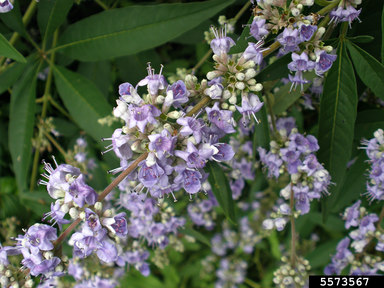


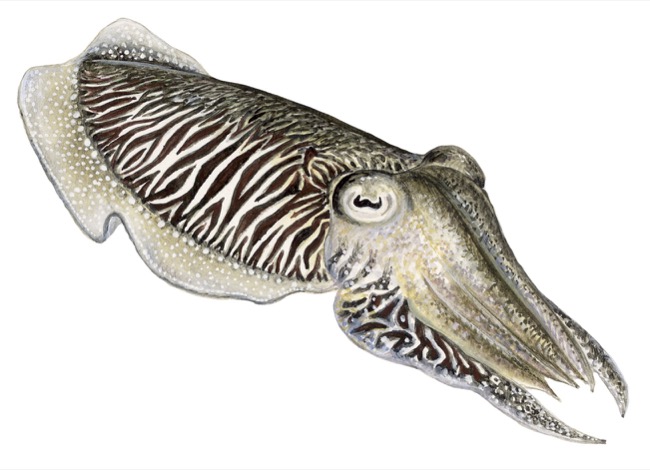





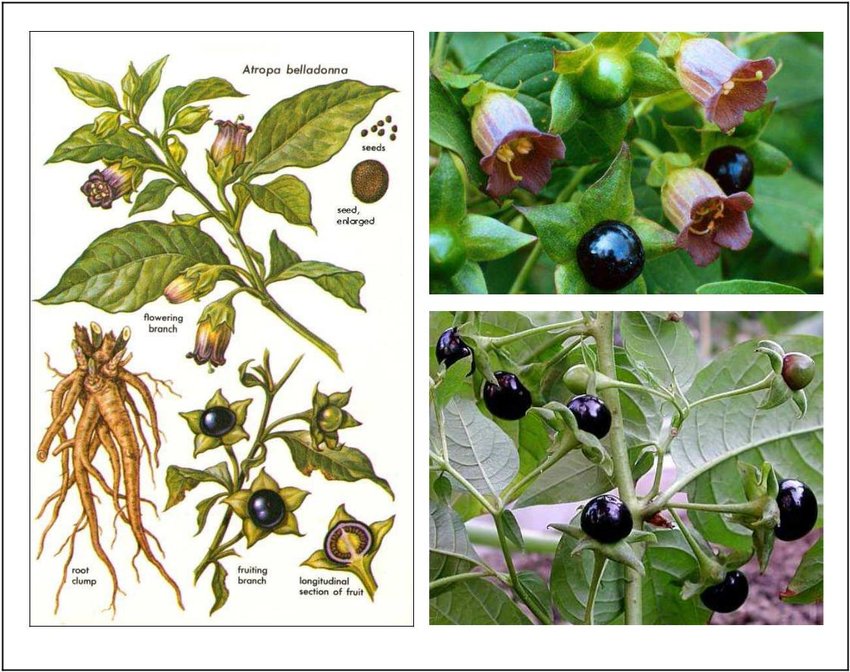
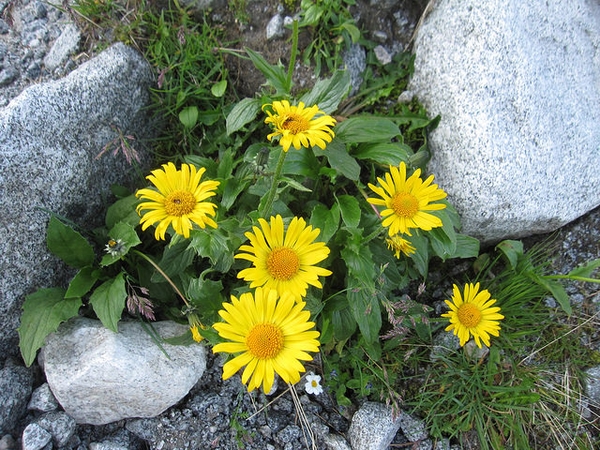
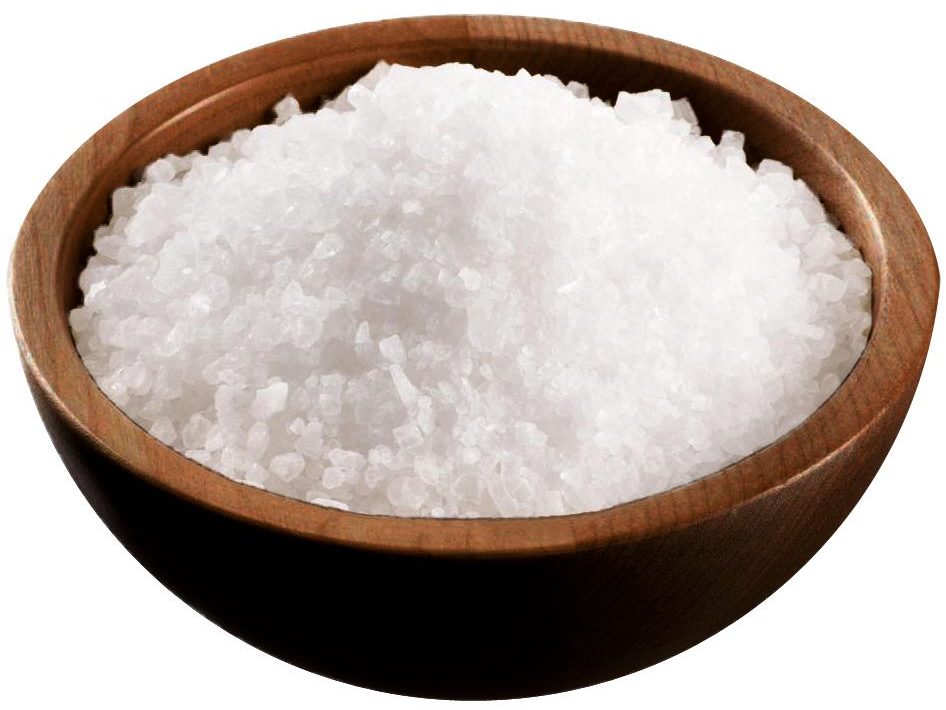
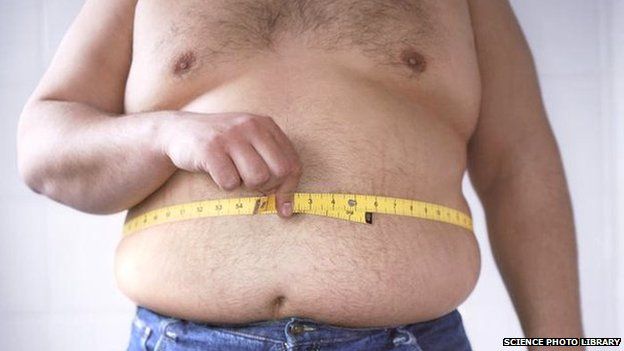



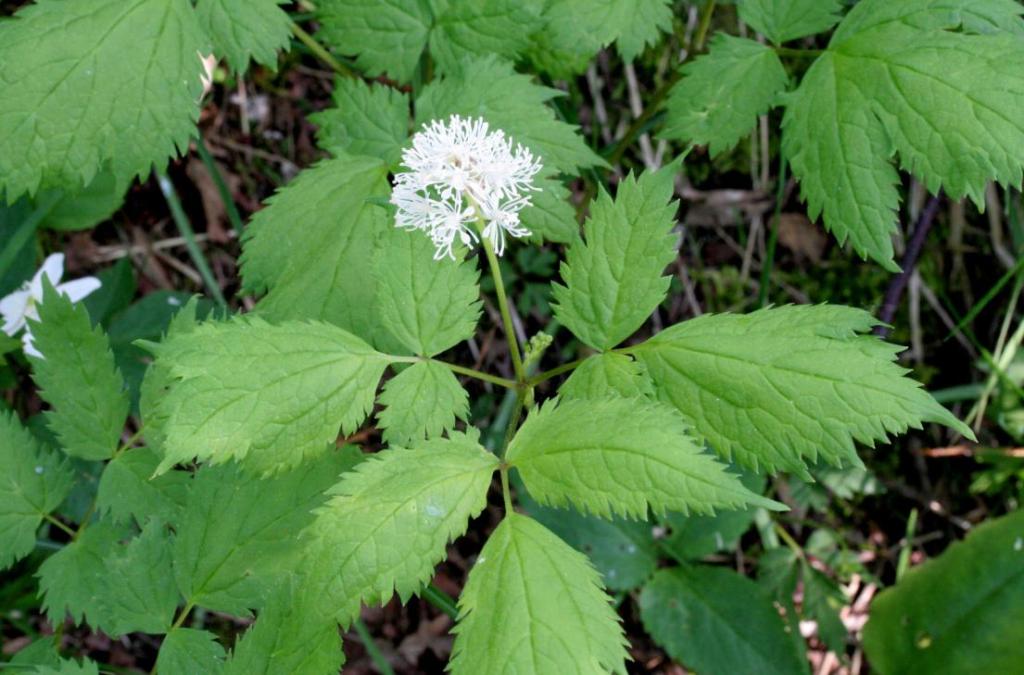
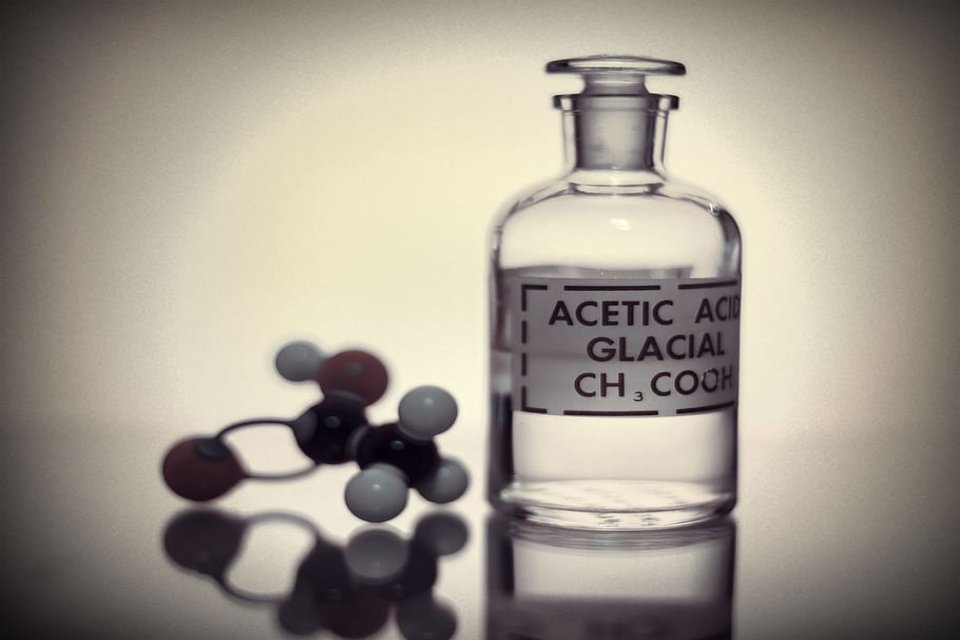
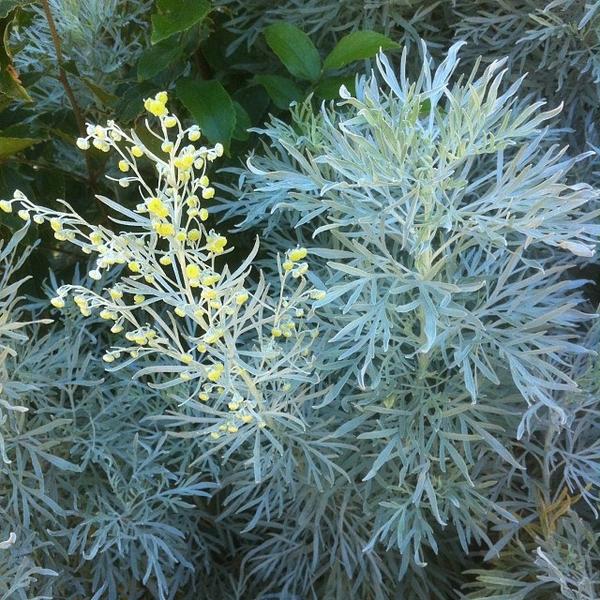

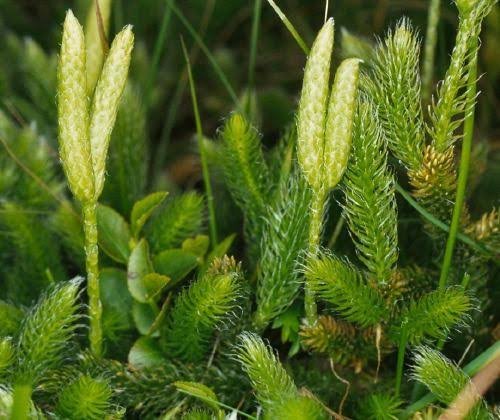


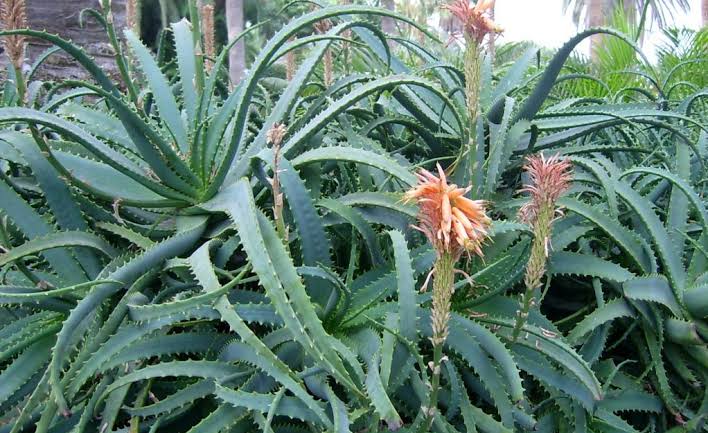


 Dr Riffat Nawab Musab