
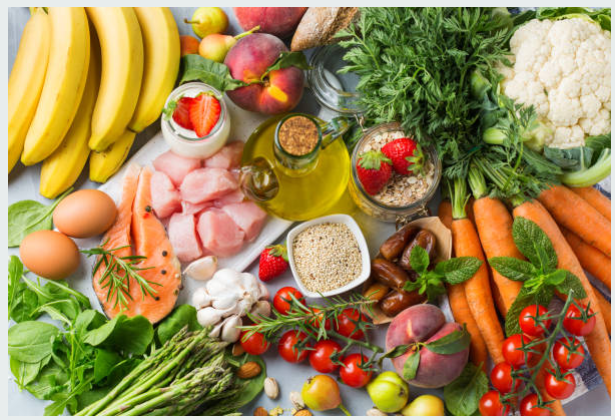
If you have arthritis, maintaining a healthy diet can help manage your symptoms and improve your overall well-being. While there is no specific “best” diet for arthritis, some eating patterns and food choices have been shown to be beneficial. Here are some recommendations:
- Anti-inflammatory foods: Include foods that have anti-inflammatory properties, such as fruits, vegetables, whole grains, legumes, nuts, and seeds. These foods are rich in antioxidants and can help reduce inflammation in the body.
- Omega-3 fatty acids: Consume foods high in omega-3 fatty acids, as they have anti-inflammatory effects. Good sources include fatty fish (salmon, mackerel, sardines), flaxseeds, chia seeds, walnuts, and hemp seeds. Consider taking fish oil supplements if recommended by your healthcare provider.
- Healthy fats: Include healthy fats in your diet, such as olive oil, avocados, and nuts. These fats can help reduce inflammation and support joint health.
- Colorful fruits and vegetables: Eat a variety of colorful fruits and vegetables to ensure you’re getting a wide range of vitamins, minerals, and antioxidants. Berries, leafy greens, citrus fruits, and cruciferous vegetables like broccoli and cauliflower are particularly beneficial.
- Whole grains: Opt for whole grains like brown rice, quinoa, oats, and whole wheat bread instead of refined grains. They provide more fiber and nutrients, which can help manage weight and reduce inflammation.
- Limit processed foods: Minimize your intake of processed and packaged foods, as they often contain unhealthy fats, added sugars, and additives that may contribute to inflammation.
- Limit saturated and trans fats: Reduce your consumption of saturated fats found in fatty meats, full-fat dairy products, and fried foods. Also, avoid trans fats found in processed snacks, margarine, and commercially baked goods, as they can promote inflammation.
- Moderate alcohol intake: If you drink alcohol, do so in moderation. Excessive alcohol consumption can worsen inflammation and interact with certain arthritis medications. It’s best to consult your doctor regarding alcohol use and any specific considerations for your condition.
- Stay hydrated: Drink plenty of water throughout the day to keep your joints well lubricated and support overall health.
- Maintain a healthy weight: Excess weight puts additional stress on your joints. Following a balanced diet, portion control, and regular physical activity can help manage weight and relieve joint pain.
Remember, it’s always a good idea to consult with a healthcare professional or registered dietitian who can provide personalized advice based on your specific needs and medical history.
 Dr Riffat Nawab Musab