
Category: DISEASES AND TREATMENTS
Bad effects of fast food | Dr Riffat Nawab Musab
The secret to a healthy life | Dr Riffat Nawab Musab
What is the secret to a healthy life? How to avoid diabetes, obesity, heart disease, cholesterol, and kidney failure? What is meant by good and bad food? What is the difference between good and bad food? What are the causes of 70% of diseases in the present age and what is their simple solution? Why is the welfare of humanity in the Islamic way of life? What does Islam teach us about health care and the treatment of diseases? How does modern scientific research confirm Islamic teachings? Know all this confirmed and substantiated information in this video link;
شوگر، موٹاپا، امراضِ دل، کولیسٹرول اور گردے فیل سے کیسے بچیں؟ طیب اور خبیث غذاؤں سے کیا مراد ہے؟ طیب اور خبیث غذاؤں کی کیا پہچان ہے؟ موجودہ دور میں 70 فیصد بیماریوں کی وجوہات کیا ہیں اور ان کا آسان حل کیا ہے؟ اسلامی طرز زندگی ہی میں کیوں انسانیت کی فلاح ہے؟ اسلام ہمیں صحت کی حفاظت اور بیماریوں کے علاج کی کیا تعلیمات دیتا ہے؟ دور جدید کی سائنسی تحقیقات کس طرح اسلامی تعلیمات کی تصدیق کرتی ہیں؟ یہ سب مصدقہ اور مدلل معلومات جانئے اس ویڈیو لنک میں؛
The Shocking Truth Behind Cold Drinks and Bakery | Dr Riffat Nawab Musab
Cold drinks and bakery have become an integral part of our chill time- whether it’s watching movies or attending parties. But do you know how harmful your favorite cold drinks are? What if I tell you that they can even cause Cancer? Not only this, but some critics even compare these cold drinks to Toilet Cleaners. Sounds scary? Well, unfortunately, it is scary. Cold drinks might be good in taste, but they are a big no for your health. Watch this video by Dr Riffat Nawab Musab to find out what is the truth behind Cold Drinks, and whether they are really worth drinking. Dr Riffat Nawab Musab
Importance of diet and lifestyle modification during treatment | Dr Riffat Nawab Musab
علاج کے دوران پرہیز اور لائف سٹائل درست کرنے کی اہمیت
Diet is Important Along With Medication For Proper Medical Treatment | Dr Riffat Nawab Musab
علاج کے لئے میڈیسن کے ساتھ پرہیز ضروری ہے
Diet is important along with medication It is very important to understand that diet is just as important as medication when it comes to proper medical treatment. In this video, I’m talking with my friend, about the importance of a proper diet and how it can help with proper medical treatment.
Basic tests for diabetic patients | Dr Riffat Nawab Musab
Basic tests for diabetic patients: 1. FBS 2. RBS 3. HBA1C 4. Urine C/E 5. RFT 6. LFT
A Real Experiment for Diabetics | What You Need to Know about Homeopathy | Dr Riffat Nawab Musab
شوگر کے مریض ایک سچا تجربہ ضرور کریں اس ویڈیو میں، ہم یہ دیکھنے کے لیے ایک حقیقی تجربہ کرنے جا رہے ہیں کہ ذیابیطس کے لیے روایتی ادویات کیسے متاثر ہوتی ہیں۔ ذیابیطس کے مریضوں کے لیے یہ ایک بہترین تجربہ ہے کیونکہ اس سے ہومیوپیتھک نظام اور ادویات کے دیگر روایتی نظاموں کا موازنہ کرنے میں مدد مل سکتی ہے۔ یہ ایک حقیقی تجربہ ہے جسے آپ گھر پر کر کے دیکھ سکتے ہیں کہ ذیابیطس کے علاج کے لیے آپ کی دیگر دوائیں کس طرح اثر انداز ہوتی ہیں، جبکہ ان کے برعکس ہومیوپتھک علاج کس طرح آپ کو حقیقی شفا دیتا ہے۔
Diabetics must do a real experiment! In this video, we’re going to do a real experiment to see how traditional diabetes medications work. This is a great experience for diabetic patients as it can help compare the homeopathic system with other traditional systems of medicine. This is a real experiment that you can do at home to see how your other diabetes medicines work, as opposed to how homeopathic remedies actually heal you.
Homeopathy for Psychological Treatment | Dr Riffat Nawab Musab
ذہنی امراض کا ہومیوپیتھک علاج
نفسیاتی علاج اور ہومیوپیتھی
Prostate Enlargement: Expert Tips and Advice | Dr Riffat Nawab Musab
HYPERTENSION

What is High Blood Pressure?
Blood pressure (BP) has two components: systolic pressure (the higher number) and diastolic pressure (the lower number) .It is measured in millimeters of mercury (mm Hg)
Blood pressure (BP) has two components: systolic pressure (the higher number) and diastolic pressure (the lower number) .It is measured in millimeters of mercury (mm Hg)
Systolic BP represents the pressure that the heart needs to generate to pump blood to the rest of the body, while Diastolic BP refers to the pressure needed to pump blood to the arteries of the heart (coronary arteries).
Hypertension is defined as: systolic blood pressure (SBP) of 120 mm Hg or greater; or diastolic blood pressure (DBP) of 80 mm Hg or greater.
Are there any symptoms?
Usually hypertension is without specific symptoms. However very high blood pressure sometimes manifests itself in form of headaches and fatigue (a tired feeling). Hypertension has the ability to damage the crucial organs of the body like the brain, heart, and kidneys, as well as arteries throughout the body. It is a very important risk factor for heart attacks,
strokes, and kidney failure.
What is the diagnosis for high BP?
Blood pressure readings of more than 120/80 mm Hg on three consecutive visits over a period of one month mean that one is hypertensive. However as all of us are presently livings in high stress situations as a routine, BP readings of 140/90 are also considered quite normal nowadays.
Can essential hypertension be prevented?
Prevention of hypertension involves regular aerobic exercise, restriction on salt intake, abstinence from smoking, a low fat diet, and maintaining correct body weight.
Hypertension is a chronic condition. However medication along with change in life style (regular exercise, restricted salt diet etc. Can lead to a fall in blood pressure. Once the blood pressure is consistently less than 130/85 mm Hg without medication, then one remains no longer hypertensive.
Biochemistry of Obesity and female health issues due to obesity

Obesity is a complex health issue that affects millions of people worldwide. It occurs when a person has an excessive amount of body fat, which can lead to a variety of health problems. In this article, we will discuss the biochemistry of obesity and the specific health issues that women may experience due to obesity.
<p class="has-medium-font-size" id="<head>-<script-async-src="https://pagead2.googlesyndication.com/pagead/js/adsbygoogle.js?client=ca-pub-6918702732375706"——crossorigin="anonymous"></script>-Biochemistry of Obesity:Obesity is a result of an imbalance between energy intake and energy expenditure. When a person consumes more calories than they burn, the excess calories are stored in the body as fat. This can lead to an increase in body weight and body fat percentage.
The biochemistry of obesity is complex and involves a variety of hormones and signaling molecules. One important hormone that is involved in the regulation of body weight is leptin. Leptin is produced by adipose tissue (fat cells) and acts on the hypothalamus to decrease appetite and increase energy expenditure. However, in obesity, the body may become resistant to the effects of leptin, leading to an increase in appetite and a decrease in energy expenditure.
Another hormone that is involved in the regulation of body weight is insulin. Insulin is produced by the pancreas and is involved in the regulation of glucose metabolism. In obesity, the body may become resistant to the effects of insulin, leading to an increase in blood glucose levels and an increased risk of type 2 diabetes.
Female Health Issues Due to Obesity:
Obesity can have a significant impact on a woman’s health. Here are some specific health issues that women may experience due to obesity:
- Polycystic Ovary Syndrome (PCOS): PCOS is a condition that affects women of reproductive age. It is characterized by hormonal imbalances that can lead to irregular periods, infertility, and the development of ovarian cysts. Obesity is a significant risk factor for PCOS, as it can lead to insulin resistance and hormonal imbalances.
- Menstrual Irregularities: Obesity can lead to menstrual irregularities, including heavy bleeding and irregular periods. This is because excess body fat can disrupt the balance of hormones that regulate the menstrual cycle.
- Pregnancy Complications: Obesity can increase the risk of pregnancy complications, including gestational diabetes, high blood pressure, and pre-eclampsia. Additionally, obesity can make it more difficult to conceive and may increase the risk of miscarriage.
- Breast Cancer: Obesity is a significant risk factor for breast cancer in postmenopausal women. This is because excess body fat can lead to an increase in estrogen levels, which can promote the growth of breast cancer cells.
- Cardiovascular Disease: Obesity increases a woman’s risk of developing cardiovascular disease. This is because excess body fat can lead to an increase in blood pressure, cholesterol levels, and inflammation, all of which are risk factors for cardiovascular disease.
In conclusion, obesity is a complex health issue that can have a significant impact on a woman’s health. The biochemistry of obesity involves a variety of hormones and signaling molecules that are involved in the regulation of body weight. Women may experience a variety of health issues due to obesity, including PCOS, menstrual irregularities, pregnancy complications, breast cancer, and cardiovascular disease. If you are concerned about your weight and its impact on your health, it is important to speak with your healthcare provider to discuss your options for weight management and to develop a plan to maintain a healthy weight.
Obesity: causes and side effects

Obesity is a condition that occurs when a person has an excessive amount of body fat. It is a serious and complex health issue that affects millions of people worldwide. The World Health Organization (WHO) defines obesity as a body mass index (BMI) of 30 or higher.
Obesity is caused by a variety of factors including genetics, lifestyle, and environmental factors. In this article, we will discuss the causes of obesity and the potential side effects that it can have on a person’s health.
Causes of Obesity:
- Genetics: Genetics play a significant role in the development of obesity. Studies have shown that children of obese parents are more likely to be obese themselves. This suggests that genetics play a significant role in the development of obesity.
- Lifestyle: Lifestyle factors such as a lack of physical activity, unhealthy eating habits, and sedentary behavior can contribute to the development of obesity. Consuming foods that are high in fat and sugar can increase a person’s risk of becoming obese.
- Environmental factors: Environmental factors such as access to unhealthy food options, food marketing, and a lack of safe places to exercise can contribute to the development of obesity. Additionally, socio-economic factors such as poverty can also contribute to obesity.
Side Effects of Obesity:
- Diabetes: Obesity is a significant risk factor for developing type 2 diabetes. This is because excess body fat can make it difficult for the body to use insulin properly.
- Heart Disease: Obesity increases a person’s risk of developing heart disease. This is because excess body fat can lead to an increase in blood pressure and cholesterol levels, both of which are risk factors for heart disease.
- Stroke: Obesity is also a risk factor for stroke. This is because excess body fat can lead to a buildup of plaque in the arteries, which can lead to a stroke.
- Joint Problems: Obesity can lead to joint problems such as osteoarthritis. This is because excess body fat can put additional pressure on the joints, leading to wear and tear over time.
- Sleep Apnea: Obesity is a significant risk factor for developing sleep apnea. This is because excess body fat can lead to a narrowing of the airways, which can cause breathing difficulties during sleep.
- Mental Health Issues: Obesity can also have a negative impact on a person’s mental health. Studies have shown that obesity is associated with an increased risk of depression and anxiety.
In conclusion, obesity is a serious health issue that can have a significant impact on a person’s health and well-being. It is caused by a combination of genetics, lifestyle factors, and environmental factors. The potential side effects of obesity are numerous and can include diabetes, heart disease, stroke, joint problems, sleep apnea, and mental health issues. If you are concerned about your weight, it is important to speak with your healthcare provider to discuss your options for weight management and to develop a plan to maintain a healthy weight.
Homeopathic treatment for obesity
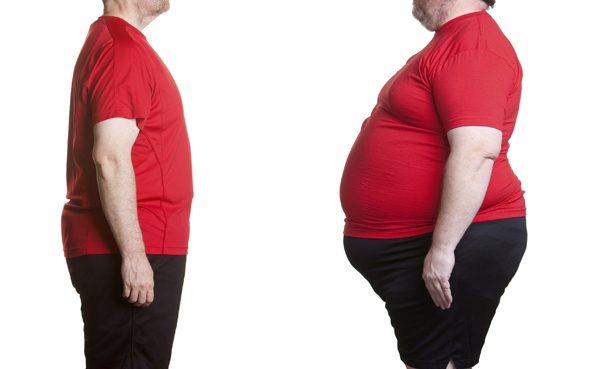
Homeopathy is a form of alternative medicine that uses highly diluted natural substances to stimulate the body’s natural healing abilities. While the effectiveness of homeopathy in treating obesity is still a topic of debate, many people turn to homeopathic remedies to aid in their weight loss journey. In this article, we will discuss the use of homeopathic treatment for obesity.
What is Homeopathy?
Homeopathy is a form of medicine that was developed in the late 18th century by German physician Samuel Hahnemann. It is based on the principle of “like cures like,” which means that a substance that causes symptoms in a healthy person can be used to treat those same symptoms in a sick person. Homeopathic remedies are highly diluted, making them safe for use without the risk of side effects.
Homeopathic Treatment for Obesity:
Homeopathic remedies are often used as part of a holistic approach to weight loss. They are not a magic solution for obesity, but rather a supportive tool that can aid in the process of weight loss. Homeopathic remedies are typically prescribed based on the individual’s specific symptoms and overall health.
Some common homeopathic remedies for weight loss include:
- Calcarea Carbonica – This remedy is often prescribed for people who have a tendency to gain weight easily and have a slow metabolism. It is also commonly used for people who have a craving for sweets and dairy products.
- Natrum Mur – This remedy is often prescribed for people who have a tendency to retain fluids and are prone to emotional eating. It is also commonly used for people who have a craving for salty foods.
- Lycopodium – This remedy is often prescribed for people who have a slow metabolism, especially in the morning. It is also commonly used for people who have a craving for sweets and have digestive issues.
- Nux Vomica – This remedy is often prescribed for people who have a tendency to overeat and have digestive issues. It is also commonly used for people who have a craving for spicy and fatty foods.
- Phytolacca – This remedy is often prescribed for people who have a tendency to gain weight in the abdomen and hips. It is also commonly used for people who have a craving for salty and spicy foods.
It is important to note that homeopathic remedies should be used as part of a comprehensive weight loss plan that includes a healthy diet and exercise. Homeopathy alone cannot lead to significant weight loss, but it can aid in the process and help to address underlying health issues that may be contributing to weight gain.
Side effects of self-medication

Self-medication is the practice of treating oneself with over-the-counter (OTC) medications, prescription drugs, or home remedies without consulting a healthcare professional. While self-medication can be convenient and cost-effective, it also carries significant risks and potential side effects. In this article, we will discuss the potential side effects of self-medication.
- Adverse Drug Reactions:
One of the most significant risks of self-medication is the potential for adverse drug reactions (ADR). ADRs occur when a drug interacts negatively with the body, leading to a range of side effects. ADRs can range from mild, such as nausea or dizziness, to severe, such as anaphylactic shock. Some common examples of ADRs associated with self-medication include allergic reactions, gastrointestinal disturbances, and skin rashes.
- Masking of Symptoms:
Another potential side effect of self-medication is the masking of symptoms. Many OTC medications only treat the symptoms of a condition and do not address the underlying cause. If a person self-medicates and only treats the symptoms, they may miss a more serious underlying condition. For example, a person with a persistent cough may take cough medicine to relieve the symptom without realizing that the cough is a symptom of a more severe respiratory infection.
- Delay in Seeking Medical Attention:
Self-medication can also lead to a delay in seeking medical attention. If a person self-medicates and does not see a healthcare professional when they should, they risk missing a diagnosis or delaying the treatment of a severe condition. For example, a person with a persistent headache may take pain medication to relieve the symptom without realizing that the headache is a symptom of a more severe condition such as a brain tumor.
- Drug Interactions:
Self-medication can also lead to drug interactions. If a person takes multiple medications, OTC or prescription, without consulting a healthcare professional, they risk drug interactions that can lead to severe side effects. Drug interactions can cause a range of symptoms, including dizziness, confusion, and even coma or death.
- Addiction:
Self-medication can also lead to addiction. Some OTC medications and prescription drugs can be addictive if misused or taken without medical supervision. Addiction can lead to a range of health and social problems, including overdose, withdrawal symptoms, and financial difficulties.
Conclusion:
Self-medication can be convenient and cost-effective, but it also carries significant risks and potential side effects. Adverse drug reactions, masking of symptoms, delay in seeking medical attention, drug interactions, and addiction are some of the potential side effects of self-medication. It is essential to consult a healthcare professional before taking any medication, whether OTC or prescription, to ensure that it is safe and effective for the individual. Healthcare professionals can also provide guidance on dosage, possible side effects, and potential interactions with other medications.
How to control self-medication?

Self-medication can be tempting for those who wish to avoid the hassle and expense of a visit to a healthcare professional. However, it is important to remember that self-medication can carry significant risks, including adverse drug reactions, masking of symptoms, delay in seeking medical attention, drug interactions, and addiction. In this article, we will discuss some strategies for controlling self-medication.
- Educate Yourself:
One of the most effective ways to control self-medication is to educate yourself about the risks and benefits of different medications. You can find reliable information about medications from reputable sources, such as the FDA or the National Institutes of Health. Make sure to read the label and instructions carefully before taking any medication, and never exceed the recommended dose.
- Consult a Healthcare Professional:
If you are experiencing symptoms, it is important to consult a healthcare professional before taking any medication. A healthcare professional can help diagnose your condition and provide guidance on the most appropriate treatment. If you have questions about a medication or its side effects, be sure to ask your healthcare professional.
- Follow the Treatment Plan:
If a healthcare professional prescribes medication, it is important to follow the treatment plan precisely. Do not stop taking medication without consulting a healthcare professional, even if you feel better. Stopping medication prematurely can lead to a relapse of symptoms and potentially harmful drug interactions.
- Dispose of Medications Properly:
If you have leftover medication, it is important to dispose of it properly. Do not share medication with others, as it can be dangerous and lead to adverse drug reactions. Instead, dispose of medication at a pharmacy or through a drug take-back program.
- Avoid Self-Diagnosis:
It can be tempting to try to diagnose your symptoms using online resources or asking friends and family for advice. However, self-diagnosis can be dangerous and lead to incorrect treatment. Always consult a healthcare professional for an accurate diagnosis and treatment plan.
- Avoid Unproven Remedies:
There are many unproven remedies and alternative therapies on the market that claim to cure a range of conditions. It is important to be cautious when considering these remedies, as they may not be safe or effective. Always consult a healthcare professional before trying an unproven remedy.
Conclusion:
Self-medication can carry significant risks and potential side effects. Educating yourself, consulting a healthcare professional, following the treatment plan, disposing of medication properly, avoiding self-diagnosis, and avoiding unproven remedies are all strategies for controlling self-medication. By taking these steps, you can ensure that you are receiving safe and effective treatment for your symptoms.
Mental health issues, causes, types and their managements

Mental health issues are a common problem in today’s world. They can be caused by a variety of factors, including genetics, environment, and lifestyle. There are many different types of mental health issues, each with its own set of symptoms and treatments. In this article, we will explore the most common mental health issues, their causes, types, and management strategies.
Causes of Mental Health Issues:
There are several factors that can contribute to the development of mental health issues. Some of the most common causes include:
- Genetics: Certain mental health issues, such as bipolar disorder and schizophrenia, have a genetic component. If a family member has a mental health issue, you may be more likely to develop it as well.
- Environment: Traumatic experiences, such as abuse, neglect, or a serious accident, can lead to the development of mental health issues.
- Lifestyle: Factors such as substance abuse, poor nutrition, lack of sleep, and lack of exercise can all contribute to the development of mental health issues.
Types of Mental Health Issues:
There are several different types of mental health issues, each with its own set of symptoms and treatment options. Some of the most common types of mental health issues include:
- Anxiety Disorders: Anxiety disorders are characterized by excessive worry, fear, or apprehension. They can be caused by a variety of factors, including genetics, environment, and lifestyle. Treatment options for anxiety disorders include therapy, medication, and lifestyle changes.
- Mood Disorders: Mood disorders, such as depression and bipolar disorder, are characterized by mood swings and changes in energy levels. Treatment options for mood disorders include therapy, medication, and lifestyle changes.
- Personality Disorders: Personality disorders are characterized by long-term patterns of behavior and thoughts that are unhealthy or inflexible. Treatment options for personality disorders include therapy and medication.
- Schizophrenia: Schizophrenia is a severe mental health issue that can cause a range of symptoms, including delusions, hallucinations, and disordered thinking. Treatment options for schizophrenia include medication and therapy.
- Eating Disorders: Eating disorders, such as anorexia and bulimia, are characterized by an unhealthy relationship with food and body image. Treatment options for eating disorders include therapy, medication, and lifestyle changes.
Management of Mental Health Issues:
There are several different strategies that can be used to manage mental health issues. Some of the most effective strategies include:
- Therapy: Therapy is a form of talk therapy that can help people understand their feelings and behaviors, and develop coping strategies for managing them.
- Medication: Medication can be used to treat mental health issues by regulating brain chemistry and reducing symptoms.
- Lifestyle Changes: Lifestyle changes, such as exercise, healthy eating, and getting enough sleep, can help manage mental health issues by reducing stress and promoting overall well-being.
- Support Groups: Support groups can be a valuable resource for people with mental health issues, providing a safe and supportive environment where people can share their experiences and learn from others.
Conclusion:
Mental health issues are a common problem in today’s world, and they can be caused by a variety of factors. There are many different types of mental health issues, each with its own set of symptoms and treatment options. By understanding the causes and types of mental health issues, and utilizing effective management strategies such as therapy, medication, lifestyle changes, and support groups, people can manage their mental health issues and live happier, healthier lives. It is important to seek help from a mental health professional if you are experiencing symptoms of a mental health issue, as early intervention can improve outcomes and prevent further complications.
Attention Deficit Hyperactivity disorder (ADHD) and its management

Attention deficit hyperactivity disorder (ADHD) is a neurodevelopmental disorder that affects millions of people around the world. It is characterized by symptoms such as inattention, hyperactivity, and impulsivity. ADHD can be difficult to manage, but with the right treatment, people with this condition can lead fulfilling lives. In this article, we will discuss the symptoms, causes, and management of ADHD.
Symptoms of ADHD:
ADHD is typically diagnosed in childhood, although it can persist into adulthood. The symptoms of ADHD can vary from person to person, but generally fall into three categories:
- Inattention: People with ADHD may have difficulty paying attention or staying focused on tasks, particularly those that are not interesting to them. They may be easily distracted and forgetful.
- Hyperactivity: People with ADHD may be excessively active or restless, fidgeting or squirming in their seats, or constantly moving around.
- Impulsivity: People with ADHD may act impulsively, without thinking things through, interrupting others, or engaging in risky behavior.
Causes of ADHD:
The exact cause of ADHD is not known, but it is believed to be a combination of genetic and environmental factors. Studies have shown that children with ADHD have differences in the structure and function of certain parts of their brains, particularly those involved in attention and impulse control. Other factors that may contribute to the development of ADHD include exposure to toxins such as lead or alcohol during pregnancy, premature birth, and low birth weight.
Management of ADHD:
The management of ADHD typically involves a combination of medication and behavioral therapy. The specific treatment plan will depend on the individual’s symptoms and needs.
- Medication: Medications such as stimulants and non-stimulants are commonly used to manage the symptoms of ADHD. Stimulants work by increasing the levels of dopamine and norepinephrine in the brain, which can improve attention and reduce impulsivity. Non-stimulant medications, such as atomoxetine, work by increasing the levels of norepinephrine in the brain.
- Behavioral Therapy: Behavioral therapy can help individuals with ADHD learn coping strategies and develop better social skills. This may include parent training, individual therapy, or group therapy. Behavioral therapy can also help improve academic performance and reduce behavior problems.
- Lifestyle Changes: Making lifestyle changes such as getting enough sleep, exercising regularly, and maintaining a healthy diet can help manage the symptoms of ADHD. These changes can help reduce stress and improve overall well-being.
- Support: Support from family, friends, and mental health professionals can be invaluable for individuals with ADHD. Support groups can provide a safe and supportive environment where people can share their experiences and learn from others.
Conclusion:
ADHD can be a challenging condition to manage, but with the right treatment, people with this condition can lead fulfilling lives. The management of ADHD typically involves a combination of medication, behavioral therapy, lifestyle changes, and support. It is important to work closely with a mental health professional to develop an individualized treatment plan that addresses the specific needs of the individual. With the right treatment and support, people with ADHD can thrive and achieve their goals.
biochemistry of ADHD

Attention deficit hyperactivity disorder (ADHD) is a neurodevelopmental disorder that affects millions of people worldwide. While the exact cause of ADHD is not fully understood, there is growing evidence that the biochemistry of the brain plays a significant role in the development and symptoms of ADHD. In this article, we will explore the biochemistry of ADHD and how it relates to the symptoms and treatment of this disorder.
Neurotransmitters and ADHD:
Neurotransmitters are chemicals in the brain that help transmit signals between neurons. There are several neurotransmitters that have been implicated in ADHD, including dopamine, norepinephrine, and serotonin.
Dopamine is a neurotransmitter that plays a critical role in motivation, reward, and attention. Studies have shown that people with ADHD have lower levels of dopamine in certain areas of the brain, particularly in the prefrontal cortex, which is responsible for executive functioning and attention.
Norepinephrine is another neurotransmitter that has been linked to ADHD. It is involved in arousal, attention, and stress response. Studies have shown that medications used to treat ADHD, such as methylphenidate and atomoxetine, work by increasing the levels of norepinephrine in the brain.
Serotonin is a neurotransmitter that regulates mood, sleep, and appetite. While the exact role of serotonin in ADHD is not fully understood, some studies have suggested that it may play a role in impulse control and aggression.
Brain Structure and ADHD:
In addition to neurotransmitters, studies have also shown that differences in the structure and function of certain parts of the brain may contribute to the development of ADHD.
The prefrontal cortex, which is responsible for executive functioning and attention, is often smaller in people with ADHD. This can lead to difficulties with impulse control, planning, and organization.
The basal ganglia, which are involved in movement and reward, may also be affected in people with ADHD. Studies have shown that the basal ganglia are smaller in people with ADHD, which may contribute to difficulties with hyperactivity and impulsivity.
Genetics and ADHD:
While the exact cause of ADHD is not fully understood, there is evidence that genetics plays a role in the development of this disorder. Studies have shown that ADHD tends to run in families, and several genes have been implicated in the development of this disorder.
One gene that has been linked to ADHD is the dopamine transporter gene. This gene is involved in the regulation of dopamine in the brain, and some studies have suggested that variations in this gene may increase the risk of developing ADHD.
Treatment of ADHD:
The biochemistry of ADHD has led to the development of several medications that are used to treat this disorder. These medications work by increasing the levels of neurotransmitters such as dopamine and norepinephrine in the brain.
Stimulant medications such as methylphenidate and amphetamine are commonly used to treat ADHD. These medications work by increasing the levels of dopamine and norepinephrine in the brain, which can improve attention and reduce impulsivity.
Non-stimulant medications, such as atomoxetine, work by increasing the levels of norepinephrine in the brain. These medications are often used for people who do not respond well to stimulants or who have co-occurring conditions such as anxiety.
Behavioral therapy can also be effective in the treatment of ADHD. This type of therapy focuses on helping individuals develop coping strategies and improve their social skills. Behavioral therapy can also help improve academic performance and reduce behavior problems.
Conclusion:
The biochemistry of ADHD is complex and not fully understood. However, there is growing evidence that neurotransmitters such as dopamine, norepinephrine, and serotonin, as well as differences in brain structure and genetics, may contribute to the development and symptoms of this disorder. Medications and behavioral
Obesity: Causes and Side Effects

Obesity is a condition that occurs when a person has an excessive amount of body fat. It is a serious and complex health issue that affects millions of people worldwide. The World Health Organization (WHO) defines obesity as a body mass index (BMI) of 30 or higher.
Obesity is caused by a variety of factors including genetics, lifestyle, and environmental factors. In this article, we will discuss the causes of obesity and the potential side effects that it can have on a person’s health.
Causes of Obesity:
- Genetics: Genetics play a significant role in the development of obesity. Studies have shown that children of obese parents are more likely to be obese themselves. This suggests that genetics play a significant role in the development of obesity.
- Lifestyle: Lifestyle factors such as a lack of physical activity, unhealthy eating habits, and sedentary behavior can contribute to the development of obesity. Consuming foods that are high in fat and sugar can increase a person’s risk of becoming obese.
- Environmental factors: Environmental factors such as access to unhealthy food options, food marketing, and a lack of safe places to exercise can contribute to the development of obesity. Additionally, socio-economic factors such as poverty can also contribute to obesity.
Side Effects of Obesity
- Diabetes: Obesity is a significant risk factor for developing type 2 diabetes. This is because excess body fat can make it difficult for the body to use insulin properly.
- Heart Disease: Obesity increases a person’s risk of developing heart disease. This is because excess body fat can lead to an increase in blood pressure and cholesterol levels, both of which are risk factors for heart disease.
- Stroke: Obesity is also a risk factor for stroke. This is because excess body fat can lead to a buildup of plaque in the arteries, which can lead to a stroke.
- Joint Problems: Obesity can lead to joint problems such as osteoarthritis. This is because excess body fat can put additional pressure on the joints, leading to wear and tear over time.
- Sleep Apnea: Obesity is a significant risk factor for developing sleep apnea. This is because excess body fat can lead to a narrowing of the airways, which can cause breathing difficulties during sleep.
- Mental Health Issues: Obesity can also have a negative impact on a person’s mental health. Studies have shown that obesity is associated with an increased risk of depression and anxiety.
In conclusion, obesity is a serious health issue that can have a significant impact on a person’s health and well-being. It is caused by a combination of genetics, lifestyle factors, and environmental factors. The potential side effects of obesity are numerous and can include diabetes, heart disease, stroke, joint problems, sleep apnea, and mental health issues. If you are concerned about your weight, it is important to speak with your healthcare provider to discuss your options for weight management and to develop a plan to maintain a healthy weight.
how cold drinks cause kidney failure?

Cold drinks, also known as carbonated beverages, have become a popular choice for many people as a refreshing beverage. However, consuming too many cold drinks can lead to serious health consequences, including kidney failure. In this article, we will discuss how cold drinks can cause kidney failure.
High Sugar Content
Cold drinks contain high amounts of sugar, which can cause damage to the kidneys. Excessive sugar intake can lead to the accumulation of toxins in the kidneys, resulting in kidney damage and eventually kidney failure.
High Sodium Content
Chow cold drinks cause kidney failure?”old drinks also contain high levels of sodium, which can increase blood pressure and lead to kidney damage. The kidneys play a vital role in regulating the body’s sodium levels, but consuming too much sodium can put a strain on the kidneys.
Phosphoric Acid
Many cold drinks contain phosphoric acid, which is used to give the drinks their tangy flavor. However, phosphoric acid can cause damage to the kidneys, especially when consumed in excess. It can lead to the formation of kidney stones and can also interfere with the body’s absorption of calcium, which is essential for healthy kidney function.
Caffeine
Some cold drinks also contain caffeine, which can cause dehydration and put a strain on the kidneys. Caffeine is a diuretic, which means it can increase urine output and lead to dehydration. Dehydration can cause kidney damage and eventually kidney failure.
Artificial Sweeteners
Many cold drinks also contain artificial sweeteners, such as aspartame, which can be harmful to the kidneys. Studies have shown that aspartame can cause kidney damage and even kidney failure, especially when consumed in large amounts.
Dehydration
Cold drinks can also cause dehydration, which can lead to kidney damage. When the body is dehydrated, the kidneys have to work harder to filter out waste products, putting a strain on them. Dehydration can also lead to the formation of kidney stones, which can cause further kidney damage.
In conclusion, consuming too many cold drinks can lead to kidney failure due to their high sugar and sodium content, phosphoric acid, caffeine, artificial sweeteners, and the dehydration they can cause. To prevent kidney damage, it is important to limit cold drink consumption and drink plenty of water to stay hydrated. A healthy diet, regular exercise, and regular kidney function tests can also help maintain healthy kidney function. If you experience symptoms of kidney damage, such as fatigue, nausea, or swelling, it is important to seek medical attention immediately.
kidney failure it’s types, stages and treatments of every stage

Kidney failure, also known as renal failure, is a serious medical condition in which the kidneys are unable to filter waste products from the blood. This can lead to a buildup of toxins and other harmful substances in the body, which can cause a wide range of health problems. There are several different types and stages of kidney failure, each with its own unique set of symptoms and treatment options. In this article, we will discuss the various types and stages of kidney failure, as well as the available treatments for each stage. We will also explore the role of homeopathic treatment in managing kidney failure.
Types of Kidney Failure:
There are two main types of kidney failure: acute kidney failure and chronic kidney failure.
Acute Kidney Failure: This type of kidney failure occurs suddenly, often as a result of a medical emergency such as a heart attack, severe infection, or drug overdose. Acute kidney failure can also occur due to a sudden injury to the kidneys, such as a blow to the back or abdomen. Symptoms of acute kidney failure may include decreased urine output, fluid retention, fatigue, and confusion.
Chronic Kidney Failure: This type of kidney failure develops slowly over a period of months or years. It is often caused by underlying health conditions such as high blood pressure, diabetes, or glomerulonephritis. Symptoms of chronic kidney failure may include fatigue, swelling in the hands and feet, frequent urination, and difficulty concentrating.
Stages of Kidney Failure:
Both acute and chronic kidney failure can be divided into several stages, each with its own unique set of symptoms and treatment options.
Stage 1: In this stage, kidney function is only slightly reduced, and there may be few or no symptoms.
Stage 2: Kidney function is moderately reduced in this stage, and symptoms may begin to appear, such as fatigue, swelling in the legs, and frequent urination.
Stage 3: In this stage, kidney function is significantly reduced, and symptoms become more severe. These may include nausea, vomiting, shortness of breath, and difficulty sleeping.
Stage 4: Kidney function is severely reduced in this stage, and patients may experience symptoms such as anemia, muscle cramps, and confusion.
Stage 5: Also known as end-stage renal disease (ESRD), this is the most advanced stage of kidney failure. In this stage, the kidneys are no longer able to function properly, and patients may require dialysis or a kidney transplant to survive.
Treatments for Kidney Failure:
The treatment options for kidney failure depend on the type and stage of the condition, as well as the underlying cause. Some of the most common treatments include:
Medications: Medications may be used to control symptoms and slow the progression of kidney failure. These may include blood pressure medications, cholesterol-lowering drugs, and medications to control blood sugar levels.
Dialysis: Dialysis is a medical procedure that uses a machine to filter waste products from the blood. There are two main types of dialysis: hemodialysis, which involves using an artificial kidney machine, and peritoneal dialysis, which involves using the lining of the abdomen to filter waste.
Kidney Transplant: A kidney transplant involves replacing a diseased kidney with a healthy one from a donor. This is often the best option for patients with end-stage renal disease.
Homeopathic Treatment of Kidney Failure:
Homeopathic treatment involves using highly diluted substances to stimulate the body’s natural healing processes. There are several homeopathic remedies that may be used to manage the symptoms of kidney failure.
For detailed information click following link: https://riffatnawab.com/2023/04/16/homeopathic-treatment-of-kidney-failure/
Homeopathic Treatment of Kidney Failure
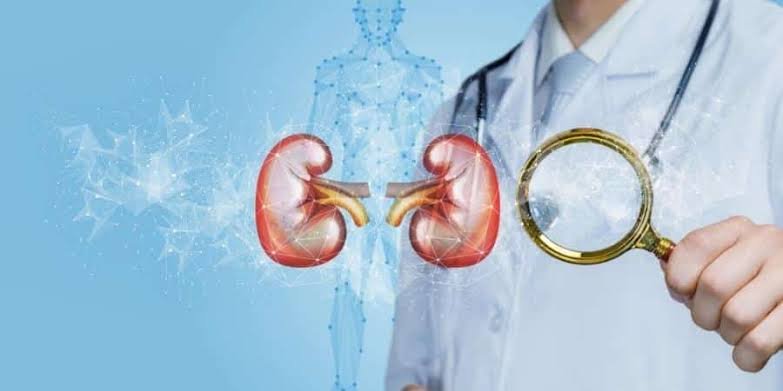
Homeopathy is a form of alternative medicine that uses highly diluted substances to stimulate the body’s natural healing processes. It is a safe and effective form of treatment for a wide range of health conditions, including kidney failure. Homeopathic remedies can help to manage the symptoms of kidney failure, improve kidney function, and slow the progression of the disease. In this article, we will explore the use of homeopathic treatment for kidney failure.
Understanding Kidney Failure:
Kidney failure, also known as renal failure, is a serious medical condition in which the kidneys are unable to filter waste products from the blood. This can lead to a buildup of toxins and other harmful substances in the body, which can cause a wide range of health problems. There are several different types and stages of kidney failure, each with its own unique set of symptoms and treatment options.
The Causes and Symptoms of Kidney Failure:
Kidney failure can be caused by a variety of factors, including underlying health conditions such as high blood pressure, diabetes, or glomerulonephritis. Symptoms of kidney failure may include fatigue, swelling in the hands and feet, frequent urination, difficulty concentrating, nausea, vomiting, shortness of breath, and difficulty sleeping.
Homeopathic Treatment of Kidney Failure:
Homeopathic remedies work by stimulating the body’s natural healing processes, helping to improve kidney function, and reducing the symptoms of kidney failure. Some of the most common homeopathic remedies used to treat kidney failure include:
Apis Mellifica: This remedy is often used to treat symptoms such as swelling in the hands and feet, urinary tract infections, and inflammation of the kidneys.
Cantharis: This remedy is often used to treat symptoms such as burning pain during urination, frequent urination, and inflammation of the kidneys.
Lycopodium: This remedy is often used to treat symptoms such as fatigue, weakness, and dehydration.
Nux Vomica: This remedy is often used to treat symptoms such as nausea, vomiting, and digestive problems.
Phosphorus: This remedy is often used to treat symptoms such as fatigue, weakness, and muscle cramps.
Silicea: This remedy is often used to treat symptoms such as swelling in the hands and feet, frequent urination, and inflammation of the kidneys.
Homeopathic remedies are typically prepared from natural substances such as plants, minerals, and animal products. They are highly diluted and potentized to enhance their healing properties and minimize any potential side effects. Homeopathic treatment for kidney failure is often tailored to the individual patient’s symptoms and overall health status, and may involve a combination of different remedies.
Benefits of Homeopathic Treatment for Kidney Failure:
Homeopathic treatment offers several benefits for patients with kidney failure. These include:
Safe and natural: Homeopathic remedies are prepared from natural substances and are free from harmful chemicals and toxins, making them safe and gentle on the body.
Non-invasive: Homeopathic treatment does not involve any invasive procedures or surgeries, making it a less stressful and more comfortable form of treatment.
Holistic: Homeopathy treats the whole person, taking into account not just their physical symptoms but also their emotional and mental well-being.
Customized: Homeopathic treatment is tailored to the individual patient’s symptoms and overall health status, making it a more personalized form of treatment.
Affordable: Homeopathic remedies are typically less expensive than traditional medical treatments, making them a more affordable option for patients.
Conclusion:
Homeopathic treatment offers a safe, effective, and affordable form of treatment for patients with kidney failure. Homeopathic remedies can help to manage the symptoms of kidney failure, improve kidney function, and slow the progression of the disease. If you are interested in exploring homeopathic treatment for kidney failure, you can contact any classical homeopathic doctor. In case of overseas you can consult us online. http://www.riffatnawab.com
 Dr Riffat Nawab Musab