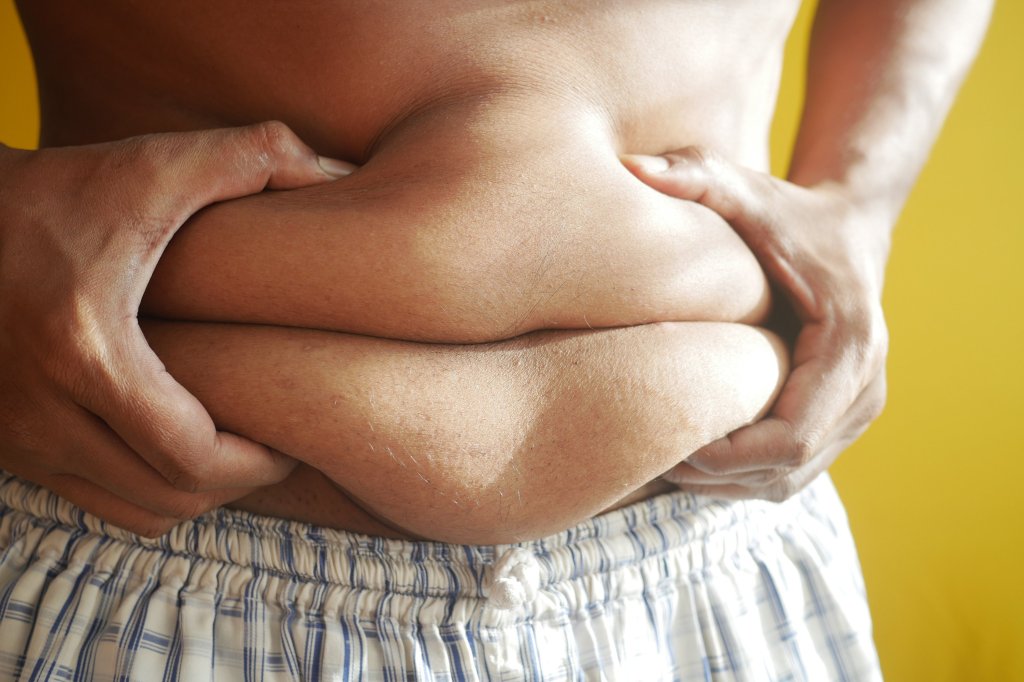
Obesity is a condition that occurs when a person has an excessive amount of body fat. It is a serious and complex health issue that affects millions of people worldwide. The World Health Organization (WHO) defines obesity as a body mass index (BMI) of 30 or higher.
Obesity is caused by a variety of factors including genetics, lifestyle, and environmental factors. In this article, we will discuss the causes of obesity and the potential side effects that it can have on a person’s health.
Causes of Obesity:
Genetics: Genetics play a significant role in the development of obesity. Studies have shown that children of obese parents are more likely to be obese themselves. This suggests that genetics play a significant role in the development of obesity.
Lifestyle: Lifestyle factors such as a lack of physical activity, unhealthy eating habits, and sedentary behavior can contribute to the development of obesity. Consuming foods that are high in fat and sugar can increase a person’s risk of becoming obese.
Environmental factors: Environmental factors such as access to unhealthy food options, food marketing, and a lack of safe places to exercise can contribute to the development of obesity. Additionally, socio-economic factors such as poverty can also contribute to obesity.
Side Effects of Obesity
Diabetes: Obesity is a significant risk factor for developing type 2 diabetes. This is because excess body fat can make it difficult for the body to use insulin properly.
Heart Disease: Obesity increases a person’s risk of developing heart disease. This is because excess body fat can lead to an increase in blood pressure and cholesterol levels, both of which are risk factors for heart disease.
Stroke: Obesity is also a risk factor for stroke. This is because excess body fat can lead to a buildup of plaque in the arteries, which can lead to a stroke.
Joint Problems: Obesity can lead to joint problems such as osteoarthritis. This is because excess body fat can put additional pressure on the joints, leading to wear and tear over time.
Sleep Apnea: Obesity is a significant risk factor for developing sleep apnea. This is because excess body fat can lead to a narrowing of the airways, which can cause breathing difficulties during sleep.
Mental Health Issues: Obesity can also have a negative impact on a person’s mental health. Studies have shown that obesity is associated with an increased risk of depression and anxiety.
In conclusion, obesity is a serious health issue that can have a significant impact on a person’s health and well-being. It is caused by a combination of genetics, lifestyle factors, and environmental factors. The potential side effects of obesity are numerous and can include diabetes, heart disease, stroke, joint problems, sleep apnea, and mental health issues. If you are concerned about your weight, it is important to speak with your healthcare provider to discuss your options for weight management and to develop a plan to maintain a healthy weight.
Homeopathy is a medical science and art developed over 200 years ago by Samuel Hahnemann, a brilliant physician and medical translator in Germany. It quickly became the medicine of choice among many Europeans. Homeopathy gained great fame due to its success during epidemics, and, by 1900, it was practiced by one in five medical doctors in the U.S.
Over the past thirty years, homeopathy has enjoyed a boom in popularity and interest in the U.S., India, Pakistan, Europe, Australia, New Zealand, and many other places throughout the world. According to the World Health Organization, homeopathy is the second-largest and fastest-growing medicine in the world. In India alone, 100 million people use it exclusively to stay healthy. Up to 70% of French doctors consider homeopathy effective, and at least 25,000 prescribe it to their patients. A 2011 report by the government of Switzerland, a bastion of pharmaceutical headquarters, concluded that homeopathic medicine was both effective and cost-effective, and recommended that it be covered by their national health insurance (according to a February 2012 article in the Huffington Post by Dana Ullman, M.P.H.).
Homoeopathy is a system of medicine founded by the celebrated physician Dr. Samuel Hahnemann (1755-1843) of Germany. It is based on the principle that ‘like cures like’. In practice, this means that a medicine capable of producing certain effects when taken by a healthy human being is capable of curing any illness that displays similar effects.
The medicines of Homoeopathy
Like Cure Likes
For example, if a healthy person takes a dose of Arsenic, he will develop vomiting, diarrhea of rice-water stools, a rapid pulse, and prostration. His skin will become cold and his expression anxious. In smaller doses or when taken for a longer time, he will develop a running nose, heavy head, cough, and bronchial catarrh. Even later there will be specific disturbances of skin and nerves. He will develop a burning sensation all over which is relieved by warmth, frequent thirst for sips of water, fear of death, restlessness, and a worsening of symptoms at noon and midnight.
According to Homoeopathic law ‘like cures like’, countless patients displaying such symptoms have been cured by the homeopathic remedy Arsenicum album, irrespective of the name of the disease (cholera, colds, eczema, asthma, etc.).
Hippocrates postulated this principle in the words, “Similia Similibus Curentur” (‘likes are cured by likes).
The practice of homeopathy is based on certain fundamental principles. Firstly, the remedies that are used are tested on human volunteers (provers) to elicit the symptoms they can produce. The symptoms of each remedy experienced by the provers are recorded in exact detail and they form the Homoeopathic Materia Medica. The symptoms of the patient are then matched with the symptoms of the various remedies in the Materia Medica to find out a single remedy whose symptoms are most similar to those of the patient (like cures like).
Social media platforms have become a ubiquitous part of our daily lives, with billions of people using them to connect with others, share information, and stay informed about current events. While social media platforms have many negative aspects, they can also be used for positive purposes. In this article, we will discuss the positive uses of social media platforms.
Connecting with Friends and Family: One of the most positive uses of social media platforms is connecting with friends and family. Social media platforms allow people to stay in touch with loved ones who live far away, share updates and photos, and maintain relationships that might otherwise fade away.
Promoting Social Causes: Social media platforms can be a powerful tool for promoting social causes and raising awareness about important issues. People can share information, news articles, and videos about causes they care about, and create online communities around shared interests.
Networking: Social media platforms can also be used for professional networking, allowing people to connect with colleagues, find job opportunities, and build their careers. Sites like LinkedIn are specifically designed for professional networking and can be a powerful tool for job seekers and professionals.
Finding Support: Social media platforms can also be a source of support for people going through difficult times. People can find online communities of others who are experiencing similar challenges, share their stories and experiences, and offer support and advice to one another.
Sharing Creativity: Social media platforms are also a great place for people to share their creative work, whether it be writing, art, music, or photography. Social media platforms allow artists to reach a wider audience and connect with fans and other artists.
Staying Informed: Social media platforms can be a great way to stay informed about current events and breaking news. People can follow news outlets and journalists on social media, and stay up-to-date on important events happening around the world.
Inspiring Positive Change: Social media platforms can be used to inspire positive change. People can share stories of kindness and generosity, promote messages of inclusion and diversity, and inspire others to take action to make the world a better place.
Raising Awareness and Activism: Social media can be a powerful tool for raising awareness and activism around social and political issues. Hashtags, such as #MeToo and #BlackLivesMatter, have been used to bring attention to important issues and spark conversations and change.
Sharing Knowledge and Information: Social media platforms can also be used to share knowledge and information. People can share news articles, research studies, and educational content, helping others stay informed and learn new things.
Mental Health Support: Social media platforms can also be a source of mental health support. People can connect with others who have similar experiences or struggles and find support and understanding. There are also mental health organizations and support groups that use social media to reach out to people in need.
Creativity and Self-Expression: Social media platforms can be used as a creative outlet for self-expression. People can share their artwork, writing, music, and other creative projects, and receive feedback and support from others.
Building Communities: Social media platforms can also be used to build communities around shared interests or hobbies. People can connect with others who share their passions and create spaces for conversation and collaboration.
In conclusion, while social media platforms have many negative aspects, they can also be used for positive purposes. Social media platforms can be used to connect with friends and family, promote social causes, network professionally, find support, share creativity, stay informed, and inspire positive change. To make the most of social media platforms, it is important to use them mindfully and thoughtfully and to prioritize positive interactions and relationships.
Cold drinks, also known as carbonated beverages, have become a popular choice for many people as a refreshing beverage. However, consuming too many cold drinks can lead to serious health consequences, including kidney failure. In this article, we will discuss how cold drinks can cause kidney failure.
High Sugar Content Cold drinks contain high amounts of sugar, which can cause damage to the kidneys. Excessive sugar intake can lead to the accumulation of toxins in the kidneys, resulting in kidney damage and eventually kidney failure.
High Sodium Content Chow cold drinks cause kidney failure?”old drinks also contain high levels of sodium, which can increase blood pressure and lead to kidney damage. The kidneys play a vital role in regulating the body’s sodium levels, but consuming too much sodium can put a strain on the kidneys.
Phosphoric Acid Many cold drinks contain phosphoric acid, which is used to give the drinks their tangy flavor. However, phosphoric acid can cause damage to the kidneys, especially when consumed in excess. It can lead to the formation of kidney stones and can also interfere with the body’s absorption of calcium, which is essential for healthy kidney function.
Caffeine Some cold drinks also contain caffeine, which can cause dehydration and put a strain on the kidneys. Caffeine is a diuretic, which means it can increase urine output and lead to dehydration. Dehydration can cause kidney damage and eventually kidney failure.
Artificial Sweeteners Many cold drinks also contain artificial sweeteners, such as aspartame, which can be harmful to the kidneys. Studies have shown that aspartame can cause kidney damage and even kidney failure, especially when consumed in large amounts.
Dehydration Cold drinks can also cause dehydration, which can lead to kidney damage. When the body is dehydrated, the kidneys have to work harder to filter out waste products, putting a strain on them. Dehydration can also lead to the formation of kidney stones, which can cause further kidney damage.
In conclusion, consuming too many cold drinks can lead to kidney failure due to their high sugar and sodium content, phosphoric acid, caffeine, artificial sweeteners, and the dehydration they can cause. To prevent kidney damage, it is important to limit cold drink consumption and drink plenty of water to stay hydrated. A healthy diet, regular exercise, and regular kidney function tests can also help maintain healthy kidney function. If you experience symptoms of kidney damage, such as fatigue, nausea, or swelling, it is important to seek medical attention immediately.
Social media platforms have become a major part of our daily lives. We use them to connect with friends and family, share information and news, and entertain ourselves. However, while social media platforms have many benefits, they also have several side effects that can negatively impact our mental and physical health. In this article, we will discuss the side effects of social media platforms.
Addiction One of the biggest side effects of social media platforms is addiction. Social media platforms are designed to be addictive, with notifications, likes, and comments triggering a dopamine response in the brain. This addiction can lead to spending excessive amounts of time on social media, neglecting other responsibilities, and experiencing withdrawal symptoms when offline.
Cyberbullying Social media platforms have become a breeding ground for cyberbullying. People can hide behind anonymous usernames and say hurtful things to others. Cyberbullying can lead to low self-esteem, anxiety, depression, and even suicide.
FOMO Fear of missing out (FOMO) is another side effect of social media platforms. People constantly see what others are doing, and this can lead to feelings of inadequacy and missing out on experiences. This can lead to anxiety and depression.
Comparison Social media platforms also promote comparison. People often see others’ curated and edited lives and compare them to their own. This can lead to feelings of jealousy, inadequacy, and low self-esteem.
Sleep Disruption Social media platforms can disrupt sleep patterns. The blue light emitted from screens can disrupt the production of melatonin, a hormone that helps regulate sleep. This can lead to difficulty falling asleep, insomnia, and daytime fatigue.
Reduced Face-to-Face Interaction Social media platforms can also lead to reduced face-to-face interaction. People can communicate through screens and avoid in-person conversations, leading to reduced social skills and a sense of isolation.
Privacy Concerns Social media platforms collect vast amounts of data on users. This data can be used for targeted advertising, but it can also be used for more nefarious purposes. Users’ personal information can be accessed by hackers, sold to third-party companies, or used to manipulate elections.
Fake News Social media platforms are often used to spread fake news and misinformation. This can lead to confusion, anxiety, and distrust in legitimate news sources.
In conclusion, social media platforms have many side effects that can negatively impact our mental and physical health. These side effects include addiction, cyberbullying, FOMO, comparison, sleep disruption, reduced face-to-face interaction, privacy concerns, and fake news. To minimize the negative impact of social media, it is important to set boundaries, limit screen time, and use social media mindfully. It is also important to seek help if social media use is impacting mental health.
Cold drinks, also known as soft drinks, are a popular beverage choice for many people worldwide. These drinks are usually carbonated and sweetened, making them very tasty and refreshing. However, despite their popularity, cold drinks have several harmful side effects that can negatively impact your health. In this article, we will discuss the side effects of cold drinks and their harmful ingredients.
Tooth Decay Cold drinks contain high amounts of sugar, which can cause tooth decay. Sugar reacts with bacteria in the mouth to form acid, which erodes the tooth enamel. Tooth decay can lead to cavities, gum disease, and tooth loss.
Obesity Cold drinks are high in calories, and regular consumption can lead to weight gain and obesity. Obesity is associated with several health problems, including diabetes, heart disease, and high blood pressure.
Type 2 Diabetes Cold drinks are loaded with sugar, and regular consumption can increase the risk of developing type 2 diabetes. Diabetes is a chronic disease that affects the body’s ability to use insulin, leading to high blood sugar levels.
Heart Disease Cold drinks contain high amounts of sugar and artificial sweeteners, which can increase the risk of developing heart disease. A high sugar diet can lead to high blood pressure, high cholesterol levels, and inflammation, all of which are risk factors for heart disease.
Kidney Damage Cold drinks contain phosphoric acid, which can damage the kidneys over time. Phosphoric acid can lead to the formation of kidney stones and decrease kidney function, leading to kidney disease.
Osteoporosis Cold drinks contain high amounts of phosphoric acid, which can lead to a loss of calcium from the bones, increasing the risk of osteoporosis. Osteoporosis is a condition where the bones become weak and brittle, leading to an increased risk of fractures.
Digestive Problems Cold drinks contain carbonation, which can lead to bloating, gas, and indigestion. Carbonation can also irritate the stomach lining, leading to stomach pain and discomfort.
Caffeine Addiction Cold drinks often contain caffeine, which is a stimulant that can lead to addiction. Regular consumption of caffeinated drinks can lead to dependence and withdrawal symptoms, such as headaches and fatigue.
Artificial Sweeteners Cold drinks often contain artificial sweeteners, such as aspartame and saccharin, which can have negative health effects. Artificial sweeteners have been linked to an increased risk of cancer, digestive problems, and metabolic syndrome.
In conclusion, cold drinks are a popular beverage choice that can have harmful side effects on your health. Regular consumption of cold drinks can lead to tooth decay, obesity, type 2 diabetes, heart disease, kidney damage, osteoporosis, digestive problems, caffeine addiction, and artificial sweetener-related health problems. To maintain good health, it is recommended to limit or avoid the consumption of cold drinks and opt for healthier beverage options, such as water, herbal tea, and fresh juices.
اللہ تعالیٰ سے دعا مانگنا اعلیٰ ترین عمل ہے۔ دعا مانگنا توحید کا اعتراف اس سطح پر جاکر کرنا ہے جس سے زیادہ بلند سطح کا تصور بھی مشکل ہے۔ بندہ رب سے مانگ کر شرک سے اپنی بے زاری اور توحید پر ایمان کا عملی ثبوت دیتا ہے۔ یہ اللہ تعالیٰ کی ذات پر اس یقین اور اعتماد کا اظہار ہے کہ وہی ہر نفع و نقصان کامالک ہے؛ وہ نفع و نقصان جس کی نسبت جب غیر اللہ کی طرف کی جاتی ہے تو شرک کی نت نئی اقسام وجود میں آجاتی ہیں۔ چنانچہ قرآن و حدیث اللہ ہی سے مانگنے اور تنہا اسے ہی پکارنے کی تاکید سے بھرے ہوئے ہیں۔ اپنی اس اہمیت کی بنا پر دعا تمام انبیا اور صالحین کا وظیفہ رہی ہے۔ دیگر انبیا کی دعاؤں کا ذکر تو قرآن میں اختصار سے ہوا ہے، لیکن رسول اللہ کی دعاؤں کی جو تفصیلات احادیث میں ملتی ہیں، ان سے اندازہ کیا جاسکتا ہے کہ ایک بندۂ مومن دعا کے ذریعے سے کس درجہ خداسے قربت حاصل کرسکتا ہے۔
ہمارے معاشرے میں جہاں دیگر بہت سے دینی امور میں افراط و تفریط کا رویہ عام ہوگیا ہے وہیں دعا جیسی عظیم عبادت میں بھی ہم رسول اللہ صلی اللہ علیہ وسلم کے طریقے سے بہت دور آگئے ہیں۔ خاص طور پر لمبی لمبی اجتماعی دعائیں، جن میں بے جا رقت در آتی ہے، آج کل بہت عام ہوچکی ہیں۔ ایسے اجتماعات میں حاضرین کی کثیر تعداد، خاص طور پر کی جانے والی رقت آمیز دعا میں شریک ہونے کے لیے دور دور سے آتی ہے، بلکہ اب تو ٹیلی وژن پر گھر بیٹھے ’’رقت آمیز ‘‘ دعا سننے اور کرنے کا چلن بہت مقبول ہوتا جارہا ہے۔
بظاہر ان باتوں میں کوئی قباحت محسوس نہیں ہوتی۔ دعا، جیسا کہ ہم نے بیان کیا، اپنی ذات میں ایک انتہائی پاکیزہ اور اعلیٰ عبادت ہے۔ دین میں نہ اجتماعی دعا پر پابندی ہے نہ کسی خاص وقت یا عبادت کے موقع پر دعا کی حرمت وارد ہوئی ہے۔ اجتماعات کے بارے میں لوگوں کا یہ خیال بھی غلط معلوم نہیں ہوتا ہے کہ ایسے میں بعض مخلصین اور مقبولین بھی موجود ہوں گے۔ دعا کرانے والے افراد بالعموم بہت تیاری سے ڈھیر ساری دعائیں بااہتمام یاد کرکے آتے ہیں۔ اس لیے ان دعاؤں میں جامعیت کا پہلو بھی ہوتا ہے اور الفاظ و اسالیب کا انتخاب بھی موثر اور دل پزیر ہوتا ہے۔ بلکہ بعض افراد تو اللہ میاں کو ’متاثر‘ کرنے کے لیے اچھے ادیبوں سے موثر اسالیب میں دعائیں لکھوا کر ساتھ لاتے ہیں۔ پھر رونے اور رلانے کی گارنٹی تو گویا وہ نسخہ ہے جس کے بعد دعاکی قبولیت کم و بیش یقینی ہوجاتی ہے۔
تاہم اجتماعی دعا کا جو طریقہ ہمارے ہاں رائج اور مقبول ہوتا جارہا ہے، وہ اکثر و بیش تر دعا کی اس روح کو مجروح کر دیتا ہے جو قرآن و حدیث سے ہمارے سامنے آتی ہے۔ اس راہ میں بعض ایسے خطرات پوشیدہ ہیں جن سے لوگوں کی غلط نفسیاتی اور ذہنی تربیت ہی نہیں ہوتی، بلکہ وہ غارت گر ایمان بھی ہوسکتے ہیں۔ تاہم ان کے بیان سے قبل ہم رسول اللہ صلی اللہ علیہ وسلم کی دعا کا طریقہ لوگوں کے سامنے رکھ دیتے ہیں۔ اس یاددہانی کے ساتھ کہ آپ صلی اللہ علیہ وسلم نے جو دین دیا، اس پر عمل کا بہترین نمونہ بھی آپ خود قائم کرکے گئے ہیں۔
دعاؤں کے بارے میں رسول اللہ صلی اللہ علیہ وسلم کا طریقہ یہ تھا کہ نماز جیسی اہم عبادت کے بعد بھی آپ اجتماعی دعا نہیں کرتے تھے۔ آپ کی زندگی میں متعدد رمضان اور شب قدر آئیں، مگر آپ نے کسی موقع پر لوگوں کو اکٹھا کرکے ’’صلوٰۃ تسبیح‘‘ اور اس کے بعد ’’رقت آمیز‘‘ دعا کا اہتمام نہیں کیا۔ حج جیسے عظیم اجتماع کے موقع پر بھی کوئی اجتماعی دعا آپ سے ثابت نہیں۔ اجتماعی دعا آپ کسی اجتماعی مسئلے کے موقع پر کراتے تھے۔ صلوٰۃ کسوف، خسوف، استسقاء، قنوت اور جمعہ کے خطبۂ آخر کے موقع پر کی جانے والی دعائیں اس کی مثالیں ہیں۔اجتماعی دعا کے برخلاف آپ کی انفرادی زندگی سر تا سر دعا تھی۔ روزمرہ زندگی کا کوئی ایسا معمول نہیں جس میں آپ صلی اللہ علیہ وسلم کی دعا منقول نہ ہو۔ ہر روز تہجد میں آپ کی نماز حمد، تسبیح، تلاوت کے علاوہ دعا ہی پر مشتمل ہوتی تھی۔ آپ کی رقت، خدا کے آگے زاری، اس کے حضور گڑگڑانے کی جو روایات ہمیں ملتی ہیں، وہ رسول اللہ کی انفرادی دعاؤں سے متعلق ہیں۔ آپ کی ذات چونکہ امت کے لیے ایک نمونۂ کامل ہے، اس لیے ازواج مطہرات اور دیگر صحابہ نے بڑے اہتمام سے ان انفرادی دعاؤں اور اذکار و معمولات کو امت تک منتقل کیا ہے۔
رسول اللہ صلی اللہ علیہ وسلم کی زندگی میں اجتماعی دعا کی کمی اور انفرادی دعا کی کثرت کوئی ایسی راز کی بات نہیں۔ یہ قرآن کے اس حکم کی تعمیل ہے جس میں کہا گیا:
’’اپنے رب کو پکارو گڑگڑاتے ہوئے اور چپکے چپکے۔ بے شک وہ حدود سے تجاوز کرنے والوں کو پسند نہیں کرتا۔‘‘(الاعراف۷: ۵۵)
آپ کی پوری زندگی اسی کا نمونہ ہے۔ اور اس میں کوئی شک نہیں کہ یہی طریقہ ہر مسلمان کے لیے نمونۂ کامل ہونا چاہیے۔ ایک مسلمان کو یہ یقین ہونا چاہیے کہ دعا اگر قبول ہوگی تو اسی طریقے سے ہوگی کیونکہ جس سے دعا مانگی جاتی ہے اور جو دعا قبول کرتا ہے، اس نے تو یہی طریقہ سکھایا ہے۔
رہا ہمارے ہاں رائج اجتماعی دعا کا معاملہ تو اس کے بیان کردہ سارے فضائل ، جن میں سے کچھ شروع میں ہم نے بیان بھی کیے، قبولیت دعا کی شرط نہیں ہیں۔ قرآن تو تنہا خدا کو پکارنے اور اسی کے حضور گڑگڑانے کی شرط لگاتا ہے۔ یہ ناقابل تردید حقیقت ہے کہ انسان گڑگڑاتا اس وقت ہے جب اس کا اپنا مسئلہ ہو۔ کوئی انسان کسی دوسرے کے مسئلے کے لیے دعا تو کرسکتا ہے تڑپ کر خدا کو نہیں پکار سکتا۔ ایک مصیبت زدہ انسان تنہائی میں بڑی بے کسی اور بے بسی سے خدا کو اپنا واحد سہارا سمجھ کر جب پکارتا ہے تو اس کی بات سننا خدا کی غیرت کا مسئلہ بن جاتا ہے۔ اس دعا کی قبولیت اتنی ہی یقینی ہوتی ہے کہ اس پر شک کرنا خدا کے وجود سے انکار کرنے کے مترادف ہے۔ اللہ تعالیٰ کبھی اس دعا کو بعینہٖ قبول کرتا ہے اور کبھی اپنی حکمت اور مصلحت کے پیش نظر دعا کے نتائج کسی ایسی شکل میں نکالتا ہے جو شاید داعی کی مرضی کے عین مطابق نہ ہو، لیکن اس کی بہتری میں ضرور ہوتے ہیں۔
اب ذرا ان مسائل کاذکر ہوجائے جو اجتماعی دعا میں پوشیدہ ہیں۔ ہم نے ابتدا میں بیان کیا ہے کہ دعا توحید کی اعلیٰ ترین سطح ہے، مگر اجتماعی دعا وہ بھی اگر رقت آمیز ہوجائے تو اس چیز کا شدید اندیشہ پیدا کر دیتی ہے کہ انسان تصنع، بناوٹ اور ریاکاری کا شکار ہوجائے۔ ریاکاری اپنی نوعیت کے اعتبار سے شرک ہے۔ چنانچہ توحید کے اظہار کے ساتھ شرک کے امکانات کو جمع کرنا عقل مندی نہیں۔ ہماری رقت آمیز دعاؤں میں داعی خود بھی روتا ہے اور لوگوں کو بھی رلاتا ہے۔لوگوں کو رلانا اصلاً وہ ’’فن‘‘ ہے جس کی مہارت پر داعی کی مقبولیت اور اجتماع کی کثرت کا انحصار ہوتا ہے۔ چنانچہ اس بات کا پورا امکان رہتا ہے کہ داعی کے قلب کی ساری توجہ دل کا حال جاننے والے مالک کے بجائے خود رونے اور لوگوں کو رلانے پر رہے۔ جس دعا میں دل کی حضوری نہ ہو، ساری توجہ الفاظ، اسالیب، سامعین پر ہو، اس کی قبولیت کے امکانات کتنے رہ جاتے ہیں، یہ بیان کرنے کی حاجت نہیں ہے۔
اجتماعی دعا میں شریک ہونے والے لوگ نہ صرف خود ریاکاری کے خطرے کی زد میں رہتے ہیں، بلکہ دوسرے لوگوں کی موجودگی کے احساس کی بنا پر وہ بسا اوقات اس رقت سے محروم ہوجاتے ہیں جو تنہائی میں لازماً ظاہر ہوتی۔ کیونکہ حساس لوگ اسے ریاکاری خیال کرتے ہیں۔ جبکہ تنہائی میں نہ صرف یہ مسئلہ نہیں ہوتا، بلکہ اس وقت طاری ہونے والی رقت اللہ تعالیٰ کی ایک غیر معمولی نعمت ہے۔ تنہائی کی ہر عبادت کی طرح دعا کی بھی یہ خوبی ہے کہ خدا سے قربت کا وہ ذائقہ انسان کو نصیب ہوتا ہے جو اور کسی شے میں نہیں۔ یہ ایک نفسیاتی حقیقت ہے جسے شاعر نے بڑی خوبی کے ساتھ بیان کیا ہے:
تم مرے پاس ہوتے ہو گویا
جب کوئی دوسرا نہیں ہوتا
اجتماعی دعا کا ایک اور بڑا مسئلہ یہ ہے کہ ہمارے ہاں یہ بڑی طویل ہوجاتی ہے اور بعض اوقات تو کئی گھنٹے جاری رہتی ہے جس کے نتیجے میں سامعین کے ہاتھ دکھنے لگ جاتے ہیں۔ دعا کی طرف ان کی توجہ رہتی ہے نہ اس میں وہ کوئی رغبت محسوس کرتے ہیں۔ آدمی اگر تنہا ہو تو بے رغبتی کی صورت میں دعا ختم کرسکتا ہے، مگر اجتماعی دعا میں انسان بے زاری بھی محسوس کرتا ہے اور وہاں سے ہٹ بھی نہیں سکتا۔ بے حضوری اور بے زاری کی یہ کیفیت خدا سے قربت کے بجائے دوری پیدا کرنے کا سبب بنتی ہے۔
اجتماعی دعا کا ایک اور مسئلہ یہ ہے کہ کچھ لوگوں کو اس میں ’’مزہ‘‘ محسوس ہونے لگتا ہے۔ اس کا سبب یہ ہے کہ رونے کا عمل انسان کو بڑی حد تک ذہنی دباؤ وغیرہ سے دور کر دیتا ہے۔جس کے بعد انسان خود کو بڑا ہلکا پھلکا محسوس کرتا ہے۔ چنانچہ اسے اس رقت آمیز دعا میں سرور آنے لگتا ہے۔ اس قسم کا سرور مسلمانوں ہی کو نہیں غیر مسلموں کو بھی بتوں کے سامنے رونے دھونے میں محسوس ہوجاتا ہے۔ انسان اس سرور کو اپنی قبولیت کے آثار میں سے سمجھ لیتا ہے۔ پھر جس روز دعا میں اسے یہ’ سرور‘ نہ ملے ، اس دن اسے دعا کی قبولیت کا امکان محسوس نہیں ہوتا۔ یہ واضح طور پر ایک غلط تصور ہے۔
ایک اہم مسئلہ یہ بھی ہے کہ گناہوں میں مبتلا ایک عام انسان اس اجتماع میں داعی کی پیدا کردہ ایک خاص نفسیاتی کیفیت کی بنا پر دعا کے وقت روتا ہے اور اس رونے کو اپنی معافی کی علامت سمجھ لیتا ہے۔ حالانکہ معافی کے لیے بنیادی شرط اپنی غلطی کو غلطی سمجھ کر نادم ہونا اور آیندہ اس سے بچنے کا عزم ہے۔ اس احساس اور عزم کے بغیر ’’اجتماعی معافی‘‘ پانے والے لوگ عملاًَ َ معصیت کی روش نہیں چھوڑتے۔ اس طرح کے لوگ ظاہری اعمال کے معاملے میں تو کچھ محتاط ہوجاتے ہیں، مگر حقوق العباد کے سلسلے میں انھیں گویا اب ایک لائسنس مل جاتا ہے کہ جتنا چاہیں خدا کے بندوں کے حقوق غصب کریں، خدا بہرحال ان پر ہاتھ نہیں ڈالے گا۔ اس لیے کہ وہ اس کے خوف سے آنسو بہا کر جنت کا پروانہ پہلے ہی حاصل کرچکے ہیں۔
ایک اور اہم مسئلہ یہ ہے کہ اس طرح کی اجتماعی دعاؤں سے لوگوں کو یہ غلط تاثر ملتا ہے کہ دعا تو ایسے ہی بابرکت اجتماعات میں قبول ہوگی۔ کچھ خاص لوگ جو بہت مشہور ہوجاتے ہیں یا اپنی اعلیٰ تقریری صلاحیتوں کی بنا پر دعا میں بھی خطابت کے جوہر دکھا کر لوگوں کے دل موہ لیتے ہیں، لوگوں کے لیے بے حد پرکشش ہوجاتے ہیں۔ لوگ ٹی وی پر یا اجتماعات میں با اہتمام ان کی دعاؤں میں شریک ہوتے ہیں۔ کیونکہ ایسے بابرکت اجتماع، رقت آمیز ماحول اور باکمال مقرر کی موجودگی میں دعا کی قبولیت، لوگوں کے خیال میں یقینی ہوجاتی ہے جس سے دعا کی توحیدی روح سخت متاثر ہوتی ہے، کیونکہ اب مانگنے اور دینے والے کے بیچ میں ایک دلانے والا بھی آجاتا ہے۔ یہ بات دعا ہی کے نہیں، دین کے فلسفے کے بھی خلاف ہے۔
ان سب مسائل کے ساتھ ہمیں یہ اندیشہ بھی ہے کہ کچھ عرصے میں یہ اجتماعی دعائیں بذات خود ایک مقدس دینی فریضہ بن جائیں گی۔ ان سے دور رہنے والے کو شقی و بدبخت سمجھا جائے گا۔ لوگ انھی اجتماعی دعاؤں پر قانع ہوکر بیٹھ جائیں گے اور انبیا اور صالحین کی وہ روایت ختم ہوجائے گی جس میں وہ سب سے کٹ کر اپنے رب کے سامنے روتے اور گڑگڑاتے ہیں۔
ان سارے مسائل کی بنا پر اہل علم کے لیے لازم ہے کہ وہ لوگوں کے سامنے صحیح بات رکھیں۔انھیں بتائیں کہ دین کا اصل زور انفرادی دعا پر ہے۔ وہ انھیں انبیا اور صلحا کے طریقے سے دعا مانگنے کی تلقین کریں۔ انھیں بتائیں کہ دعا معاملات کی نوعیت کی چیز نہیں جس میں اجتہاد کی ضرورت پیش آجائے، بلکہ یہ عبادات میں شامل ہے۔ اور عبادات میں اجتہاد نہیں تقلید واجب ہوتی ہے۔
Earning money online has become a popular way for people to supplement their income or even make a full-time living. With the advancement of technology and the internet, there are many opportunities available for individuals to make money online in 2023.
Freelancing: Freelancing is a popular way to make money online. There are many websites such as Upwork, Fiverr, and Freelancer that connect freelancers with businesses or individuals looking for specific skills. Freelancers can offer their services in various fields, such as writing, design, programming, and more.
Online Surveys: Online surveys are another way to earn money online. Companies are always looking for consumer feedback to improve their products and services, and they are willing to pay for it. Survey websites such as Swagbucks, Survey Junkie, and Toluna pay users for completing surveys.
Affiliate Marketing: Affiliate marketing involves promoting products or services and earning a commission for every sale made through your referral link. Popular affiliate networks include Amazon Associates, Clickbank, and Commission Junction. To be successful in affiliate marketing, you need to have a large following or a website with high traffic.
Online Trading: Online trading involves buying and selling stocks, currencies, and other financial instruments through online platforms such as E-Trade, TD Ameritrade, and Robinhood. With the right knowledge and skills, online trading can be a lucrative way to make money online.
Content Creation: Creating content such as videos, podcasts, and blogs can also be a way to make money online. Platforms such as YouTube, Twitch, and Patreon allow content creators to earn money through advertising, sponsorships, and donations.
Online Courses: Creating and selling online courses can be a profitable way to make money online. Websites such as Udemy, Skillshare, and Teachable allow instructors to create and sell courses on a variety of topics.
Virtual Assistant: Virtual assistants offer administrative and technical support to businesses or individuals remotely. Tasks may include data entry, scheduling appointments, and managing social media accounts. Websites such as Zirtual, Fancy Hands, and Upwork connect virtual assistants with clients.
In conclusion, there are many opportunities available for individuals to make money online in 2023. Whether you are looking for a part-time gig or a full-time income, there is something for everyone. With dedication, hard work, and the right skills, anyone can succeed in earning money online.
In today’s world, there are many opportunities to earn money without investment. Whether you are looking for a part-time or full-time income, there are many options available that require little or no investment. Here are some ways to earn money without investment.
Online surveys:
Online surveys are a popular way to earn money without investment. There are many survey companies that pay people to take surveys on various topics. Some popular survey companies include Swagbucks, Survey Junkie, and Vindale Research.
Freelancing:
Freelancing is a great way to earn money without investment. If you have a skill such as writing, graphic design, or web development, you can offer your services to clients on platforms such as Upwork, Fiverr, and Freelancer.
Online tutoring:
If you have expertise in a particular subject, you can offer online tutoring services through platforms such as Chegg and Tutor.com. You can earn money by helping students with their homework and test preparation.
Virtual assistance:
Virtual assistance is another way to earn money without investment. You can offer your services to clients as a virtual assistant, helping them with tasks such as data entry, email management, and scheduling.
Affiliate marketing:
Affiliate marketing is a way to earn money by promoting products or services. You can sign up for affiliate programs through companies such as Amazon and promote their products on your website or social media accounts.
Social media management:
If you have expertise in social media, you can offer your services to clients as a social media manager. You can help clients manage their social media accounts, create content, and engage with followers.
Content creation:
If you have a talent for writing, photography, or video production, you can offer your services as a content creator. You can create content for websites, blogs, and social media accounts.
Transcription:
Transcription is a way to earn money by transcribing audio or video content into written form. You can offer your services as a transcriptionist on platforms such as TranscribeMe and Rev.
In conclusion, there are many ways to earn money without investment. By leveraging your skills and expertise, you can offer your services to clients and earn a steady income. Whether you are looking for a part-time or full-time income, there are many opportunities available that require little or no investment.
Upwork is a popular online platform that connects freelancers with clients looking for various services. It offers a wide range of job opportunities, from graphic design and web development to writing and marketing. If you are interested in earning money through Upwork, here are some steps to get started.
Create an Upwork account:
The first step to earning money on Upwork is to create an account. You can sign up using your email or Facebook account. Once you have created an account, you will need to complete your profile by providing your personal information, work experience, and skills.
Find jobs that match your skills:
Once you have completed your profile, you can start searching for jobs that match your skills. Upwork offers a variety of job categories, and you can filter your search based on your skills, location, and other preferences.
Submit proposals:
Once you have found a job that matches your skills, you can submit a proposal to the client. Your proposal should include a brief introduction, your relevant experience, and your rate. It is important to make your proposal stand out by highlighting your skills and experience.
Complete the job:
If the client accepts your proposal, you can start working on the job. It is important to communicate with the client throughout the project and to meet their expectations. Once you have completed the job, you can submit it for review and payment.
Get paid:
Upwork handles all payments between clients and freelancers. Once the client approves the job, the payment is released to your Upwork account. You can then withdraw the funds to your bank account or PayPal.
Tips for success on Upwork:
Complete your profile:
It is important to complete your Upwork profile and include as much relevant information as possible. This will help clients find you and understand your skills and experience.
Keep your rates competitive:
Upwork is a competitive marketplace, so it is important to keep your rates competitive while still ensuring that you are getting paid fairly for your work.
Communicate effectively:
Communication is key to success on Upwork. It is important to communicate with clients throughout the project and to be responsive to their needs and requests.
Build your portfolio:
Building a portfolio of your work can help you showcase your skills and attract clients. You can include links to your portfolio in your Upwork profile or in your proposals.
Be professional:
It is important to maintain a professional attitude when working with clients on Upwork. This includes meeting deadlines, communicating effectively, and delivering high-quality work.
In conclusion, earning money on Upwork requires a combination of skills, experience, and professionalism. By creating a strong profile, submitting compelling proposals, and delivering high-quality work, you can build a successful career as a freelancer on Upwork.
Fiverr is an online marketplace that connects businesses with freelancers offering various services ranging from graphic design to web development, writing, marketing, and much more. As a business owner, Fiverr can help you grow your business in many ways. In this article, we will explore some of the benefits of using Fiverr to help grow your business.
Access to a global talent pool:
Fiverr provides access to a global talent pool of freelancers from all around the world. This means that you can find highly skilled professionals who can help you with various tasks at an affordable price. This is especially important for small businesses that do not have the budget to hire a full-time employee or the expertise to perform certain tasks in-house.
Cost-effective:
One of the biggest advantages of using Fiverr is its cost-effectiveness. Freelancers on Fiverr offer services at a fraction of the cost of traditional agencies or full-time employees. This means that you can get high-quality work done at an affordable price, which can help you save a significant amount of money.
Time-saving:
Using Fiverr can also help you save time. Instead of spending hours or days searching for the right candidate, Fiverr allows you to search for freelancers based on specific skills, experience, and expertise. This means that you can find the right person for the job quickly and easily, allowing you to focus on other important aspects of your business.
Flexibility:
Fiverr offers a high degree of flexibility when it comes to hiring freelancers. You can hire freelancers on a project-by-project basis, or you can establish an ongoing relationship with them. This allows you to scale up or down as per your business needs, which is especially important for small businesses that need to be agile and adaptable.
Quality work:
Fiverr has a rating system that allows you to see the quality of work that a freelancer has delivered in the past. This can help you make an informed decision when it comes to hiring a freelancer. Additionally, Fiverr also offers a dispute resolution system that can help you resolve any issues that may arise during the project.
Diverse skill sets:
Fiverr offers a diverse range of skill sets that can help you with various aspects of your business. From graphic design to content creation, web development, and marketing, you can find freelancers who specialize in different areas. This can help you get all the services you need in one place, which can save you time and effort.
Improved efficiency:
Using Fiverr can also help improve the efficiency of your business. By outsourcing certain tasks, you can free up your time and focus on other important aspects of your business. This can help you become more productive and efficient, which can lead to better results in the long run.
In conclusion, Fiverr can be a valuable tool for growing your business. It provides access to a global talent pool, is cost-effective, time-saving, flexible, and offers diverse skill sets. Using Fiverr can also help you improve the efficiency of your business and get high-quality work done at an affordable price. So, if you are a business owner looking to scale up your business, consider using Fiverr to help you achieve your goals.
– This poisonous mushroom, acts on Cerebro-spnal axis.
– Its action on brain produces more vertigo and delirium.
– Affection of spinal cord, nerves and medulla, produces irregular, UNGULR, UNCERTAIN and exaggerated MOTIONS; patient reaches too far, staggers or steps too high, drops things etc.
– Symptoms appear slowly.
– Patient suffers from MANY and DIVERSE symptoms.
– TREMBLLING; TWITCHING; JERKINGS or fibrillar spasms here and there are very marked, EYELIDS and tongue are specially affected, Symptoms appear diagonally as right arm and left leg.
– Shuddering.
– Nervousness and restlessness.
– Chorea amel. during sleep.
– Sensation as if pierced by cold needles, or hot needles, a cold drop or cold weight on the parts.
– Painful twitching, then the parts become stiff and cold.
– In epilepsy and convulsions physical strength is increased, can left heavy loads.
– Twitching cease during sleep.
– Convulsions after coition; from suppressed milk; after being scolded; or punished.
– Young nervous hysterical married women who faint after coition.
– Children walk and talk late on account of brain complaints.
– Yawning before complaints.
Worse
– COLD air.
– FREEZING air.
– Before thunderstorms.
– Mental exhaustion.
– Coition.
– Debauchery.
– Alcohol.
– Pressure on spine.
– Touch.
– Morning.
– During menses.
– Sun.
– Fright.
Better
– Gentle motion.
Mind
– Sings, talks incoherently, changes rapidly from subject to subject but does not answer.
– Loquacity.
– Indisposed to perform any kind of work especially mental.
– Fearlessness.
– Makes verses.
– Hilarious.
– Embraces and kisses hands.
– Selfish.
– Indifferent.
– Dull and dizzy as if drunk.
– Morose, self willed, stubborn; slow in learning to walk and talk.
– Awkward, clumsy.
– Knows no one; throws things.
– Pressure on spine causes involuntary laughter.
– Can not do anything new, can not do his routine work or does the opposite.
Head
– Vertigo; from sunlight.
– Dull headache; must move the head to and fro.
– Headache amel. after stool or urine; headache with nose-bleed or thick mucus discharge.
– Pain as from nail in right side of head.
– Head is in constant motion.
– Head drawn towards shoulders.
Eyes
– Reading difficult, as type seems to move, to swim.
– Double vision, oscillating eyeballs.
– Gum in canthi.
– Muscae volitantes; brown.
– Twitching of eyelids.
– Narrowing of space between eyelids.
– Nystagmus; squint.
– Eyelids thick, dry, burning.
Ears
– Itching in the ears with redness and burning pain, as if they had been froze.
– Twitching of the muscles about the ears.
– Noises.
Nose
– Frequent sneezing, without coryza.
– Flow of clear water, without coryza.
– Sneezing, after coughing.
– Itches internally and externally.
– Foetid dark bloody discharge.
– Epistaxis; in old people.
– Redness of.
– Obstruction on stooping.
Face
– Facial muscles, feel stiff; twitch.
– Face, itches and burns.
– Pain in the cheeks, as of from splinters.
– Neuralgia, as if cold needles run through nerves.
– Grimaces.
– Idiotic expression.
– Face, blue and puffed.
Mouth
– Angles of mouth droop; from paralysis; saliva runs out.
– Herpes on lips.
– Taste; sweet, bitter.
– Aphthae on the roof of the mouth.
– Tongue; dry, tremulous; one side numb, with vertigo.
– Indistinct, jerky speeph.
– Offensive breath.
– Froth at mouth.
– Swelling and bleeding gums, with pain.
Throat
– Feels contracted.
– Small solid balls of phlegm thrown up, without coughing.
– Dryness with difficulty in swallowing.
– Scratching on every attempt to sing.
Stomach
– Always thirsty.
– Eructation; empty, tasting of apples; or of rotten eggs.
– Eructations, alternating with hiccough.
– As of a lump in epigastrium.
– Gastric disturbances, with sharp pain in liver region.
– Vomiting; bitter, with prostration, with stitches in rectum and groins.
Abdomen
– Rumbling and fermenting in bowels.
– Profuse inodorous flatus.
– Diarrhoea, with much foetid garlicky odour flatus.
– Diarrhoea, of children, with grass green bilious stools.
– On the other hand there is profound prostration and stupor, and lack of reaction, even speechless.
– Mind and body becomes weak.
– It is specially useful in children during dentition and summer complaints when anguish, crying and expression of uneasiness, and discontent are present.
– As the disease progresses the patient becomes more and more retired in his disposition, and more inclined to weep.
– In epileptiform spasms, the thumbs are clenched, face becomes red, eyes turned downwards, pupils dilate and staring, foam at mouth.
– Patient can not stand, sit up or hold the head up.
– Weak nervous and prostrated from overwork.
– Dotage.
– Lancinating pains.
– Parts feel screwed together.
– Improperly fed babies.
– Children who lack the power to hold their heads up, with no particular ailment, sometimes they can’t even stand or bear any weight on their limbs.
Worse
– 3 to 4 a.m. and evening.
– Warmth; hot weather.
– Milk.
– Detention.
– Frequent eating.
– Over-exertion.
Better
– Open air, by walking in open air.
– Conversation.
Mind
– Inability to think or fix attention, from overstudy.
– Delirium, sees cats, dogs and rats etc.
– Idiocy, alternate with furor.
– Wants to jump out of bed or out of window.
– Examination funk from simple sense of incapacity.
– Idiotic children.
– Awkward.
Head
– distressing pains in the occiput down nape of neck and spine amel. lying down and pressure.
– Head symptoms are amel. by passing flatus and by stool.
– Hair feels pulled.
– Vertigo; with sleepiness, with palpitation, with weakness.
– Can not raise head.
– Head hot after vertigo.
– Squeezing headache, with vertigo agg. walking and looking upward.
– Dizzy and drowsy.
Eyes
– Photophobia (chronic).
– Eyes brilliant and protruding.
– Eyes drawn downwards.
– Cornea sunken.
– Objects seem larger or double.
– Swelling of meibomian glands.
– Rolling of eyes on falling asleep.
Ears
– As if something hot streaming out.
– Feels obstructed; amel. by inserting the fingers and drawing the parts apart.
Nose
– Herpetic eruptions on tip of nose.
– Frequent ineffectual desire to sneeze.
– Alae nasi drawn in.
Face
– Sunken; pale, puffed, spotted, red.
– Linea nasalis marked.
– Blue white pallor about the lits.
– Deathly aspect.
– Chin and corners of mouth feel cold.
Mouth
– Tongue seems too long.
– Aphthae in the mouth.
– Speech slow embarrassed.
– Speechless.
– Taste bitter; of onions; of cheese; sweetish in morning.
Stomach
– Nibbling appetite.
– Intolerance of milk.
– Violent sudden vomiting of milk as soon as swallowed or Inlarge curds.
– Hungry after vomiting.
– LIMPNESS AND DEEP SLEEP AFTER VOMITING.
– DEATHLY NAUSEA.
– Regurgitation of food long after eating.
– Vomiting of frothy matter white as milk; or yellow fluid.
– Stomach feels tuned upside down.
– Digestion affected from brain exhaustion.
– Retching.
Abdomen
– Black bluish swelling of abdomen, coldness of abdomen, subjective and objective, with coldness of legs, with aching in bowels amel. warm application.
– Colic, followed by vomiting, vertigo and weakness.
– Bubbling sensation around navel.
Stools
– Yellow green slimy diarrhoea.
– Stools undigested.
– Obstinate constipation, with feeling as if all the action of the bowels has been lost.
– Choleraic affection of old age.
Urinary
– Cutting in bladder with frequent urging.
Male
– Right testicle drawn up with pain in kidney.
Female
– Menses watery.
– Swelling of mammary glands with lancinating pain.
– Pimples on external parts; itching on getting warm.
Respiratory
– Short breath interrupted by hiccough.
– Suffering renders the patient speechless.
– Crampy constriction in chest.
– Cough causes pain in head.
– Stitches in left side of chest.
Heart
– Violent palpitation, with virtigo, headache and restlessness.
– Pulse rapid, hard, small, unrhythmical.
Neck and back
– Want of power to stand to hold up head.
– Small of back as if in vise.
– Swelling of glands around neck like string of beads.
– A feeling as if pain in back could be amel. by straightening out and bending stiffly backwards.
Extremities
– Fingers and thumbs bent inwards or clenched.
– Sensation as if arms had become much shorter.
– Numbness of hands and feet.
– Heaviness, weakness, contraction of fingers.
– Excoriation of thighs on walking.
Skin
– Lymphatic glands swelled like strings of beads.
– Skin cold and covered with cool clammy sweat.
– Eruptions, itching; around the joints amel. from heat.
– Ecchymosis.
– Anasarca.
– Whole body may be blue, black.
Fever
– Great heat without thirst.
– Must be covered during sweat.
– Sweating, on slightest physical effort.
Sleep
– Disturbed by violent startings any or by cold perspiration.
– Dozing after vomiting or stool.
– Rooling of the eyes or slight convulsion on falling asleep.
– It acts predominantly on heart when it is affected after rheumatism, influenza or nephritis, where the muscles of the heart are in the stage of fatty degeneration.
– It regulates the pulse, increases the contracting power of the heart, with increased urinary secretion.
– It is valuable in cardiac dropsy, hydrothorax; ascites and anasarca.
– Pains wander from place to place.
– Arrhythmia.
– It is not cumulative in action.
– Compensatory hypertrophy of heart in cardiac stenosis and mitral regurgitation.
Worse
– Cold, Lying.
Better
– Exertion.
Mind
– Vertigo agg. on rising, turning the head quickly or lying down; with palpitation.
– Aching from occiput around temples to eyes.
– Scalp feels tight.
Mouth
– Tongue sore, feels scalded.
– No thirst.
Stomach
– Faint feeling in epigastric region with vertigo amel. out of doors.
Abdomen
– Heavy weight; bowels seem as if breaking agg. bending.
Urinary
– Urging to urinate.
– Albuminuria; urine scanty, oily pelicle on urine.
Respiratory
– Frequent desire to take a deep breath.
– Dyspnoea agg. touching back.
– Dry tickling, cardiac cough.
Heart
– Weak, fatty, arrhythmic.
– Precordial pain, palpitation and dyspnoea.
– Pulse rapid, irregular.
Back
– Spine and neck stiff; aching pain with tired feeling.
Skin
– Vesicles on the skin.
Sleep
– Sleeplessness with rambling thoughts, or horrible dreams.
– The leading symptoms of this drugs are, profound anaemia, with waxy pallor of the face; excessive emaciation; great debility; frequent fainting; difficult breathing; weak heart; profuse urination, vomiting; and sweat.
– It antidotes the effects of all anaesthetic vapours.
– In convulsions, patient jumps out of bed, like a madman and crawls on the floor.
– It is a remedy, for general anasarca and dropsical affections.
– Haemorrhage; from nose, stomach, rectum, lungs, ulcers, etc.
– Child wants to be carried.
– Naevi; warts, corns.
Mind
– Grieves, about his sickness and his children.
– Worried about business affairs.
– Borrows trouble.
– Does not know her own children.
– Forgets what he recently happened.
Head
– Aches, from abuse of narcotics, tobacco.
– Child does not let its head touched.
Face
– Left cheek red, during fever.
– Pale, waxen, emaciated.
Nose
– Bleed esp. from fall or blow.
Throat
– Children thirsty, but swallow with difficulty, even a teaspoonful. (Diphtheria).
Stomach
– No thirst with fever.
– Great thirst with dropsy.
– Violent burning pain in stomach and chest, followed by coldness of skin, and cold sweat on forehead.
– In stomach, it causes a catarrhal condition, which increases the patient’s hunger and craving for coarse food, such as pickles, radishes, turnips etc.
– Patient wants to lie down, all the time, on account of nervous weakness and feels faint.
– In women, it causes uterine displacement, due to defective nutrition and debility.
– Peculiar sensations are – right lung and liver, feel hard and small; uterus feels soft.
– Lies with the legs drawn up.
Mind
– Easily fretful or quiet and careless.
Head
– Feels, as if it is light or there is swimming in the head.
Stomach
– Ravenous appetite.
– Tendency to eat, far beyond the capacity of digestion.
– Distention of abdomen and stomach, with palpitation.
• It affects the NUTRITION; DUE TO WEAKNESS OF DIGESTION.
• Acts upon URINARY ORGANS and most of the symptoms develop on the RIGHT SIDE and go to the l eft; THROAT; chest, ovary.
• Ailments develop gradually; weakening the functional power; the function of liver is seriously disturbed.
• Deep seated progressive chronic diseases.
– Repeating symptoms or alternating symptoms; chill after chill, flushing the n paling; flexion then extension; automatic acts.
– Relapsing conditions.
• Prostration of mind and body.
• It is adapted to old persons; or who become old early, where the skin show yellowish spots; or to precocious weakly children.
– Lyco. patients are intellectually keen but of weak muscular power; lack vital heat; circulation poor; it seems to stand still; with cold, numb extremities, or numbness may appear in spots.
• Sudden symptoms pains come and go suddenly; or cause anger, jerking etc.
• The patient is thin, withered and FULL OF GAS.
• ACIDITY; sour, taste, eructations etc.
• Descending symptoms, colds, emaciation etc.
– Calculi; gall stones, gravel.
• Dropsy; ascites in liver diseases.
– Coldness; partial, head, throat etc.
• Dryness; of palms, soles, vagina, skin etc.
• Rawness; in folds, anus, nipple etc.
• Formication of affected limbs.
• Paralysis.
• Carcinoma.
• Inflammation of bones, mostly at ends; softening and caries of bones.
• Spasms with screaming, foaming at the mouth; throwing the arms about.
– Oversensitive, to pain; patient is besides himself.
• Sense of internal paralysis.
• Lithic acid diathesis.
• Ill effects of fear, fright, changrin, anger, anxiety, fevers; overlifting; masturbation; riding in a carriage.
• Tobacco chewing.
• Wine.
• One side of the body hypertrophied at change of life, in women.
• Atrophy of infants.
• Haemorrhages; dark blood.
• Erectile tumours.
• Boils recurring periodically.
• Emaciation and debility from loss of fluids.
Worse
• PRESSURE OF CLOTHES.
• WARMTH.
– Awakening.
• Wind.
• Eating; even a little; or to satiety; oysters.
– Indigestion.
• 4 to 8 p.m.
• Wet weather, stormy weather.
• Pressure.
• Before, or from suppressed menses.
• Milk.
• Vegetables, cabbages, beans; bread, pastry.
Better
• WARMS DRINKS; food.
• Cold applications.
• Motion.
– Eructations.
• Urinating.
• After midnight.
Mind
– Confusion over daily affairs.
• Mentally, active but grows weaker.
• Melancholy; afraid to be alone, of men; of his own shadow.
– Sensitive, weeps when thanked; or meeting a friends.
• Fearsome; dread of men; presence of new persons, of everything, even ringing of door bell.
• Loss of self confidence; from anticipation; averse to undertaking new things; yet when he undertakes it he goes through with ease and comfort.
• AWAKES; ANGRY, sad and anxious.
• Vehement; headstrong.
– Domineering; exacting; reserved, or despairing.
• Spells or writes wrong words of syllables.
• Can not bear to see anything new.
• Can not read what he writes.
• Hurried when eating.
• Incipient paralysis of brain.
• Weeps all day.
• Sad, on hearing distant music; or cheerful and merry.
• Hateful.
• Cranky.
• Miserly.
• Brainfag; after influenza.
• Anxious thoughts as if about to die.
• Indecision.
• Timidity.
• Resignation.
• Misanthrophic, flies even from his children.
– Amative.
• Distrustful; fault finding.
• Suspicious.
Head
• Shakes head without any apparent cause; or involuntarily, slow first, then rapid.
• Vertigo when looking at anything turning.
• Head cold.
• Pain in temples as if screwed together, agg. menses.
• Pain begins on one side goes to other where it is worse.
• Headache, agg. if not eating regularly; lying down, stooping, amel. uncovering.
• Pulsating pain in occiput; at night, agg. when hot.
• Hair falls, becomes gray early.
• Premature baldness; after abdominal affections; parturition.
– Deep furrows on forehead in abdominal, pulmonary and brain affections; and in misers.
• Dandruff.
• Hydrocephalus.
• Meningitis; tubercular.
• Catarrhal headache agg. when discharge from nose is slacked up.
• Throbbing after every spell of cough; pains when pressing at stools.
Eyes
• Half open.
• Haemiopia.
• Day-blindedness more.
• Sparks before the eyes; inn the dark.
• Styes on lids towards the inner canthi.
• Polypus on external canthi.
• Cataract; with suppressed menses.
• Feel cold, hot, seems too large.
Ears
• Humming and roaring; with hardness of hearing; every noise causes peculiar echo in ear.
• Thick yellow offensive discharge, with deafness.
• Eczema about and behind the ears.
• As if hot blood rushed into cars.
Nose
• Nose stopped up; snuffles; breathes through mouth; child starts from sleep rubbing the nose.
– Fan like motion of alae nasi; in brain, lung and abdominal troubles.
• Feeling of dryness posteriorly.
• Ozaena; acrid.
• Chronic coryza; blows nose often.
• Nasal troubles from childhood.
• Acute smell.
Face
• Yellowish; pale; gray; with blue circles around the eyes.
• Face withered, shrivelled and emaciated.
• Flushes of heat.
• Twitchings.
– Mouth Hangs open.
– Sore lips.
• Twists face and mouth.
• Silly expression.
Mouth
• Toothache, with swelling of cheek amel. warm application.
• Tongue; dry; black; cracked, stiff heavy; swollen, lous to and fro or is darted out rapidly; trembling; painful ulcer on tip or below tongue.
• Speech indistinct; stammers the last word.
• Saliva dries on palate and lips.
• Dryness without thirst.
• Lower jaw drops; in fever.
• Teeth yellow.
• Mouth waters.
• Gums bleed when touched or cleaning teeth.
• Taste; too acute; sour, bitter, mouldy.
• Small tumours in mouth in various places.
Throat
• Feeling as of a hard body in oesophagus.
• A ball rises and sticks in throat.
– Sore throat; agg. cold drinks.
• Swelling and suppuration of tonsils.
• Chronic enlargement of the tonsils.
• Diphtheria – deposits spread from right to left.
• Food and drinks come through nose; on swallowing.
• Throat cold.
• As of a ball rose up in.
• Feeling of contraction provoking constant swallowing.
Stomach
• Digestion weak.
• Loss of appetite.
– Hunger, but quick satiety.
• EATING EVER SO LITTLE CREATES FULNESS.
• Hiccough.
– Incomplete burning eructations; rise only to pharynx and then burns for hours.
• Farinaceous and flatulent food, cabbage, beans, oysters disagrees.
• Sensation as if fasting after meals, but without hunger.
• Desire for sweet things.
• Aversion to soup, to bread.
• Canine hunger the more he eats, the more he craves.
• Wakes at night feeling hungry.
• Vomits; food and bile; coagulated blood; dark greenish masses, after eating and drinking.
• Sensation of something moving up and down; or as of a hard body rolli ng, when turning to the right side.
• Ascites; from liver diseases.
• Soreness agg. hypogastrium alternating sides.
• Brown spots on.
• Colic in babies agg. evening.
• Constipation; of children; ineffectual urging from contraction of sphincters; feeling as if much remained unpassed after stools.
• Stools; contain sand, small, difficult, first parts is hard, is difficult to expel, last part is soft or thin and gushing; followed by faintness and weakness.
• Haemorrhoids, aching; painful to touch amel. hot bathing.
• Alternate diarrhoea and constipation.
• Rawness of anus.
• Constipation when away from home or travelling.
• Chilliness in the rectum before stools.
• Constipation or diarrhoea during pregnancy.
• Gastro enteritis from fright.
• Diarrhoea from cold drinks.
• Continued burning in rectum.
Urinary
• Frequent urging to urinate amel. riding in cars.
• Renal colic in ureter (right) to bladder.
• Urine; scanty; cries before urinating; (esp. children who wake up from pain, with screaming, and toss the limbs about); red sand in; slow in coming must strain; suppressed; retained.
• Urine; milky, turbid.
• Polyuria, during the night.
• Haematuria.
• Involuntary urination (esp. in fever), or from fright during coition.
• Urinary blood; with paraplegia or sometimes with constipation.
• Urine burning hot.
Male
– Sexual exhaustion; impotence; erections feeble; falls asleep during coition.
• Yellow tumour corona glandis.
• Exhausting pollutions.
• Enlarged prostate.
• Premature seminal emission
Female
• Menses; of clots and serum; discharge of blood from genitals during at stools.
• Vagina; dry, burning agg. during and after coition.
– Leucorrhoea, acrid; periodical; milky; agg. before full moon.
• Physometra.
• Cutting from right to left ovary; ovarian; tumours; dropsy.
• Dropsy of uterus.
• Hard burning nodosities in mammae with stitching aching pains, and soreness.
• Rawness of nipples; sore, fissured, bleed easily.
• Foetus seems to be turning summersaults.
• Dysmenorrhoea; violent, with fainting.
• Menses; suppressed; for months.
• Delayed menses with undeveloped mammae at puberty.
• Milk in breast without being pregnant.
• Child vomits blood after sucking bleed nipples.
Respiratory
• Craves air but is chilled by it.
• Short, rattling breathing agg. lying on back.
• Cough; dry, tickling, teasing; in puny boys with emaciation; day and night; deep hollow; as from sulphur fumes, agg. on descending; with emaciation; agg. on empty swallowing, stretching the throat; deep breathing.
• Salty greenish-yellow, lumpy or foul expectoration.
• Unresolved pneumonia.
• Brown yellow spots on chest.
• Abscess of the lungs, tuberculosis.
• Difficult respiration due to hydrothorax or/and hydropericardium, with flapping of alae nasi.
• Feeling of tightness in chest with burning.
Heart
• Aneurism.
• Aortic disease.
• Palpitation, with flapping of a alae nasi at night, agg. lying on right side; with cold face and feet.
• Pulse; fast, agg. after eating; evening.
• Sensation as if the circulation stool still.
• Hypertrophy.
Neck and back
• One side of the neck stiff and swollen.
• Burning as from hot coals between the scapulae.
• Pain in the back and right side from congestion of liver.
• Pain in the small of the back; agg. sitting erect; amel. urination.
• Stiff back.
• Emaciation about the neck.
• Bubbling sensation.
• Lumbago agg. slightest motion (after Bry).
Extremities
• Axillary abscess (right).
• Hands and feet numb; cramps in hands and feet.
• Fingers twitch during sleep.
• Sticky sweat on fingers.
• Pain jerks legs upward.
• Cramps in calves, when walking; at night.
• One foot hot, other cold, or cold sweaty feet.
• Constant troublesome heat of hands.
• Sciatica right side agg. pressure; can not lie on painful side, amel. hot application and walking.
• Cramps in toes; at night.
• Pain in heels on treading as from pebbles.
• Heels numb.
• Palms dry.
• Varicose veins on legs.
• Oedema of feet, rises until ascites forms.
• Pain in bones at night.
• Curvature and caries of bones.
• Emaciation of one hand or one leg.
• Hands and feet become heavy, relaxed, tremble amel. by motion.
• Painful corns on soles.
• Toes and fingers contracted.
• Toes bend when walking.
• Profuse foetid foot sweat.
Skin
• Dry; rawness in folds.
• Abscesses beneath the skin.
• Urticaria; chronic agg. warmth.
• Erectile tumours agg. before menses.
• Blood boils.
• Boils which do not mature but remain blue.
• Sites of old boils and pustules indurate and form nodules that remain long.
• Vesicular swellings.
• Eczema associated with urinary, gastric, hepatic disorders.
• Psoriasis.
• Ulcers, fistulous.
• Scabs do not separate.
• Viscid and offensive sweat.
Sleep
• Drowsy during day; on waking, the child starts, becomes cross, kicks, scolds, or holds his mother.
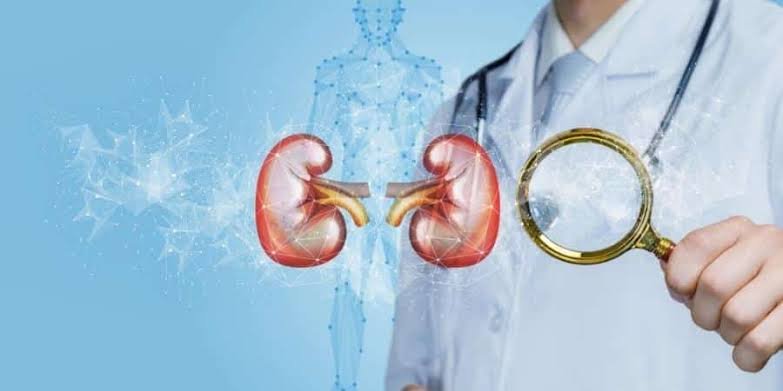
Kidney failure, also known as renal failure, is a serious medical condition in which the kidneys are unable to filter waste products from the blood. This can lead to a buildup of toxins and other harmful substances in the body, which can cause a wide range of health problems. There are several different types and stages of kidney failure, each with its own unique set of symptoms and treatment options. In this article, we will discuss the various types and stages of kidney failure, as well as the available treatments for each stage. We will also explore the role of homeopathic treatment in managing kidney failure.
Types of Kidney Failure:
There are two main types of kidney failure: acute kidney failure and chronic kidney failure.
Acute Kidney Failure: This type of kidney failure occurs suddenly, often as a result of a medical emergency such as a heart attack, severe infection, or drug overdose. Acute kidney failure can also occur due to a sudden injury to the kidneys, such as a blow to the back or abdomen. Symptoms of acute kidney failure may include decreased urine output, fluid retention, fatigue, and confusion.
Chronic Kidney Failure: This type of kidney failure develops slowly over a period of months or years. It is often caused by underlying health conditions such as high blood pressure, diabetes, or glomerulonephritis. Symptoms of chronic kidney failure may include fatigue, swelling in the hands and feet, frequent urination, and difficulty concentrating.
Stages of Kidney Failure:
Both acute and chronic kidney failure can be divided into several stages, each with its own unique set of symptoms and treatment options.
Stage 1: In this stage, kidney function is only slightly reduced, and there may be few or no symptoms.
Stage 2: Kidney function is moderately reduced in this stage, and symptoms may begin to appear, such as fatigue, swelling in the legs, and frequent urination.
Stage 3: In this stage, kidney function is significantly reduced, and symptoms become more severe. These may include nausea, vomiting, shortness of breath, and difficulty sleeping.
Stage 4: Kidney function is severely reduced in this stage, and patients may experience symptoms such as anemia, muscle cramps, and confusion.
Stage 5: Also known as end-stage renal disease (ESRD), this is the most advanced stage of kidney failure. In this stage, the kidneys are no longer able to function properly, and patients may require dialysis or a kidney transplant to survive.
Treatments for Kidney Failure:
The treatment options for kidney failure depend on the type and stage of the condition, as well as the underlying cause. Some of the most common treatments include:
Medications: Medications may be used to control symptoms and slow the progression of kidney failure. These may include blood pressure medications, cholesterol-lowering drugs, and medications to control blood sugar levels.
Dialysis: Dialysis is a medical procedure that uses a machine to filter waste products from the blood. There are two main types of dialysis: hemodialysis, which involves using an artificial kidney machine, and peritoneal dialysis, which involves using the lining of the abdomen to filter waste.
Kidney Transplant: A kidney transplant involves replacing a diseased kidney with a healthy one from a donor. This is often the best option for patients with end-stage renal disease.
Homeopathic Treatment of Kidney Failure:
Homeopathic treatment involves using highly diluted substances to stimulate the body’s natural healing processes. There are several homeopathic remedies that may be used to manage the symptoms of kidney failure.
Homeopathy is a form of alternative medicine that uses highly diluted substances to stimulate the body’s natural healing processes. It is a safe and effective form of treatment for a wide range of health conditions, including kidney failure. Homeopathic remedies can help to manage the symptoms of kidney failure, improve kidney function, and slow the progression of the disease. In this article, we will explore the use of homeopathic treatment for kidney failure.
Understanding Kidney Failure:
Kidney failure, also known as renal failure, is a serious medical condition in which the kidneys are unable to filter waste products from the blood. This can lead to a buildup of toxins and other harmful substances in the body, which can cause a wide range of health problems. There are several different types and stages of kidney failure, each with its own unique set of symptoms and treatment options.
The Causes and Symptoms of Kidney Failure:
Kidney failure can be caused by a variety of factors, including underlying health conditions such as high blood pressure, diabetes, or glomerulonephritis. Symptoms of kidney failure may include fatigue, swelling in the hands and feet, frequent urination, difficulty concentrating, nausea, vomiting, shortness of breath, and difficulty sleeping.
Homeopathic Treatment of Kidney Failure:
Homeopathic remedies work by stimulating the body’s natural healing processes, helping to improve kidney function, and reducing the symptoms of kidney failure. Some of the most common homeopathic remedies used to treat kidney failure include:
Apis Mellifica: This remedy is often used to treat symptoms such as swelling in the hands and feet, urinary tract infections, and inflammation of the kidneys.
Cantharis: This remedy is often used to treat symptoms such as burning pain during urination, frequent urination, and inflammation of the kidneys.
Lycopodium: This remedy is often used to treat symptoms such as fatigue, weakness, and dehydration.
Nux Vomica: This remedy is often used to treat symptoms such as nausea, vomiting, and digestive problems.
Phosphorus: This remedy is often used to treat symptoms such as fatigue, weakness, and muscle cramps.
Silicea: This remedy is often used to treat symptoms such as swelling in the hands and feet, frequent urination, and inflammation of the kidneys.
Homeopathic remedies are typically prepared from natural substances such as plants, minerals, and animal products. They are highly diluted and potentized to enhance their healing properties and minimize any potential side effects. Homeopathic treatment for kidney failure is often tailored to the individual patient’s symptoms and overall health status, and may involve a combination of different remedies.
Benefits of Homeopathic Treatment for Kidney Failure:
Homeopathic treatment offers several benefits for patients with kidney failure. These include:
Safe and natural: Homeopathic remedies are prepared from natural substances and are free from harmful chemicals and toxins, making them safe and gentle on the body.
Non-invasive: Homeopathic treatment does not involve any invasive procedures or surgeries, making it a less stressful and more comfortable form of treatment.
Holistic: Homeopathy treats the whole person, taking into account not just their physical symptoms but also their emotional and mental well-being.
Customized: Homeopathic treatment is tailored to the individual patient’s symptoms and overall health status, making it a more personalized form of treatment.
Affordable: Homeopathic remedies are typically less expensive than traditional medical treatments, making them a more affordable option for patients.
Conclusion:
Homeopathic treatment offers a safe, effective, and affordable form of treatment for patients with kidney failure. Homeopathic remedies can help to manage the symptoms of kidney failure, improve kidney function, and slow the progression of the disease. If you are interested in exploring homeopathic treatment for kidney failure, you can contact any classical homeopathic doctor. In case of overseas you can consult us online. http://www.riffatnawab.com



























 Dr Riffat Nawab Musab