
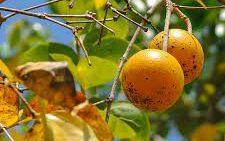
Generalities
– The seeds of Ignatia contain a large proportion of strychnine than those of Nux-vomica, yet there is a great difference between the characteristic features of the two drugs.
– Though it affects the MIND, EMOTIONAL element is profoundly influenced and co-ordination of functions is interfered with; causing ERRATIC; contradictory; parodoxical mental and physical EFFECTS; which change rapidly, and are opposite to each other.
– NERVOUS SYSTEM is affected causing SPASMODIC EFFECTS; often violent with rigidity, twitching and tremors.
– It is adapted to the persons of nervous temperament esp. women of sensitive, easily excited nature,mild disposition, quick to perceive and rapid in execution.
– SENSE OF LUMP, foreign body or sharp pressure.
– Jerks run through the whole body.
– Tendency to start.
– Globus.
– Clavus.
– Hysteria.
– Chorea; after fright, from grief agg. after eating, amel. lying on back.
– Convulsions of children; during dentition; after punishment; after fear or fright; return at the same hour daily.
– Spasms, with cries or involuntary laughter.
– Tonic spasms of single parts, with frothing at the mouth.
– Spasms alternating with oppressed breathing.
– Pain in spot agg. close attention amel.
– Oversensitive to pain.
– Pains change their locality, come gradually, abate suddenly, or come and go suddenly.
– Symptoms pass after profuse urination.
– Plague; preventive and curative.
– Nervous shuddering; with pain.
– Paralysis; after great mental emotions and night watching, in sick chamber.
– Suitable to persons who had been starving either from want or other causes.
– Ill effects of grief, fright, worry, disappointed love; jealousy; old spinal injuries.
– Catalepsy with opisthotonous. (Nat-mur. should follow in chronic conditions.)
Worse
– EMOTIONS.
– GRIEF.
– Chagrin.
– WORRY.
– Fright; shock, after losing persons or objects that were very dear.
– Air; open, cold.
– Odours.
– Touch.
– Coffee.
– Tobacco.
– Yawning.
– Stooping,walking; standing.
– At the same hour and day.
Better
– Change of position.
– Lying on affected part.
– Urination.
– If alone.
– Pressure.
– Deep breathing.
– Swallowing.
– Eating
– Near a warm stove.
– Sour things.
Mind
– ALERT; OVERSENSITIVE AND NERVOUS.
– Highly emotional.
– Moody.
– Brooding GRIEF.
– Silent and sad.
– SIGHS.
– Weeps or laughs by turns, laughs when she ought to be serious.
– Changeable moods.
– Unhappy love.
– Inward weeping; enjoys being sad.
– Angry with himself.
– Desire to be alone.
– Everything irks her.
– Intolerant of contradiction; of reprimands.
– Anguish; shrieks for help.
– Capricious.
– Delicately conscientious.
– Fear; of thieves; of trifles, of things coming near him Introspective.
– Faint easily, girls who faint every time they go to church; or who fall in love with married men.
– Sensation as if she had been fasting for a long time.
– Hurried during menses; no one can do things fast enough for her.
– Looks about the bed as if to find something.
– Delights to bring on her fits and produce a scare or a scene.
– Thinks she had neglected her duty.
– Sighing and sobbing.
– Not communicative.
– Fear or robbers at night.
Head
– Ache as if a nail were driven out through the sides; end in yawning and vomiting; alternate with backache.
– Headache agg. or amel. by stooping.
– Throws head backwards; from weight at occiput; or during spasms.
– Vertigo, with sparks before the eyes.
– Loud talking agg. headache.
– Headache; from abuse of snuff, tobacco smoke, coffee, from close attention.
Eyes
– Asthenopia; with spasms of the lids, and neuralgic pains around the eyes.
– Flashes of light, from violent coughing.
– Eyelids seem dry.
– Flickering, zigzags before the eyes.
Ears
– Roaring amel. by music.
– One ear red and hot.
– Deafness, except for human voice.
Nose
– Sensitive to inspired air.
– Pain over the root of the nose.
– Sneezing attacks.
– Cold, with hot knees.
Face
– Twitching of the muscles of face and lips.
– Redness and heat of one cheek; red and pale alternately.
– Masseters stiff and hard.
– Emotional trismus.
– Change colour often when at rest.
– Facial muscles distort on attempting to speak.
Mouth
– Spasmodic closing of the jaws; bites inside cheek or tongue when talking or chewing.
– Corners twitch.
– Taste sour.
– Toothache agg. after drinking coffee and smoking.
– Sudden attacks of salivation.
Throat
– Inflammed, hard swollen tonsils, with small ulcers on them.
– Follicular tonsillitis.
– Feeling as of a lump, when not swallowing or that can not be swallowed;amel. eating solids.
– Tendency to choke – Globus hystericus.
– Stitches extend to ear; between acts of swallowing.
– Submaxillary glands painful when moving the neck.
– Cramps in gullet.
– Goitre.
Stomach
– Hunger, with nausea.
– Craves raw or indigestible things; sour things, bread esp. rye bread.
– Appetite for various things, but when offered appetite fails.
– Aversion to warm food, meat, alcohol, tobacco.
– Empty sinking or spasmodic ache in stomach not amel. by eating; amel. by taking and deep breath.
– Hiccough; with eructations empty or bitter; after eating, drinking, smoking.
– Nausea or vomiting amel. indigestible things.
Abdomen
– Colicky griping pain in one or both sides of the abdomen.
– Stools – painful, difficult although soft.
– Constrictive sore pain in the rectum, like from blind haemorrhoids, remains one or two hours after stools.
– Obstipation of neurasthenics.
– Pain shoots up in rectum.
– Piles amel. sitting; agg. coughing.
– Prolapsus of rectum; from moderate straining at stools.
– Pressure as of a sharp instrument from within outwards.
– Painless contractions of anus.
– Haemorrhage and pain agg. when stool is loose.
– Constipation; from taking cold; from riding in a carriage; urging to stool with erection.
Urinary
– Frequent, profuse, watery urine.
– Urging to urinate, with inability to pass urine.
Male
– Erection during stool.
– Sweat on scrotum.
– Penis; contracted, becomes small.
Female
– Menses; irregular; black, too early, too profuse, or scanty; suppressed from grief.
– Chronic leucorrhoea, with sexual desire.
– Sexual frigidity.
Heart
– Palpitation, during menses.
– Anxious feeling in the region.
Respiratory
– TAKES DEEP BREATH; for relief.
– Choking; spasms of glottis.
– Dry, hacking spasmodic cough in quick successive shocks; shutting of the breath; cough; as from dust or sulphur fumes.
– Coughing increases the desire to cough.
– Cough, everytime he stands still during a walk.
– Constriction of the chest, feels as if too small.
– Whispering voice, can not speak loudly.
– Sleepy after coughing.
– Stitches in nipples on deep inspiration.
Neck and back
– Stiffness of the nape of the neck.
– Convulsive bending backwards of the back.
Extremities
– Jerking in limbs.
– Warm sweat on the palms.
– Cramps in calves.
– Heavy feet.
– Dislocative pain in joints.
– Knees are involuntarily drawn upwards, when walking.
– Trembling of hands when writing in anyone’s presence.
– Burning in heels on placing them near one another, when they come in contact they are cold to touch; agg. at night.
– Sciatica agg. in winter; amel. in summer.
– Corns painful as if sore.
– Knees hot with cold nose.
– As if flesh was loose on bones from a blow.
Skin
– Painful amel. pressure.
– Nettle rash over the whole body with violent itching (during fever).
Sleep
– Violent spasmodic yawning, with running from eyes.
– Sleep light; every sound wakes.
– Jerking of limbs on going to sleep.
– Somnambulism from wounded honour.
– Dreams; same horrid dreams over the over again.
– Child awakes from sleep with piercing cries and trembles all over.
– Hiccough, chewing motions of mouth in sleep. (children).
Fever
– Chill with red face.
– Shaking chill with thirst.
– Sweat agg. on eating; often on a small spot on the face.
– Heat, with aversion to uncover but no thirst.
– Chill, during pains.
– Feeling as if sweat would break out, but does not.
Complementary
– Aur; Nat-m; Pho-ac; Sep.
Related
– Cimi; Nux-v; Sep.
Source: Phatak Materia Medica
 Dr Riffat Nawab Musab
2 thoughts on “Ignatia Amara Homeopathic Medicine”